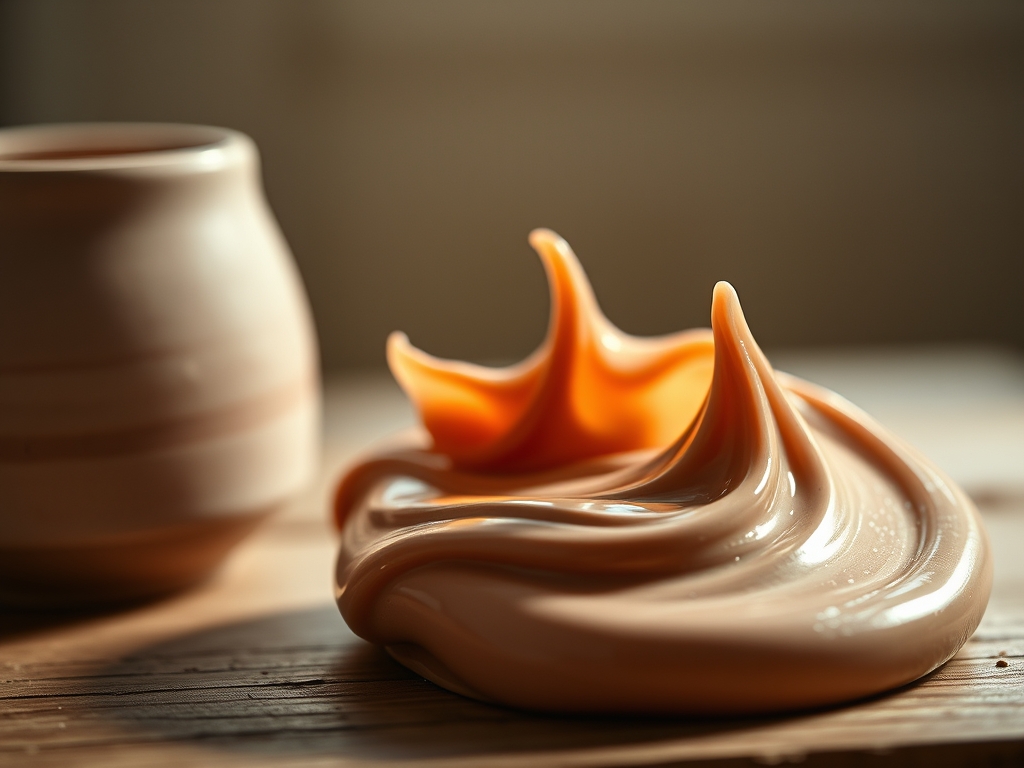
Imagine the sensation of thick, velvety cream sliding across a cool, porous surface. That is the magic of working with Fluid Pottery Slips. It is more than just watered down clay; it is a suspension of minerals and water held in a delicate balance of surface tension and gravity. When you master the flow, you are not just decorating; you are choreographing a dance of liquid earth. We are going to dive deep into the physics of viscosity and the sheer joy of creating movement on a static form. Grab your apron because things are about to get messy and brilliant.
The secret to a perfect slip lies in its specific gravity. If it is too thin, it runs off the pot like water; if it is too thick, it clumps and cracks during the drying process. You want that sweet spot where the liquid holds its shape but remains responsive to the slightest tilt of your hand. We are talking about the tactile thrill of watching a bead of slip sit proud on the surface, waiting for your next move. It is about understanding how the porous nature of leather-hard clay sucks the moisture out of the slip, locking your design in place almost instantly.
THE STUDIO KIT
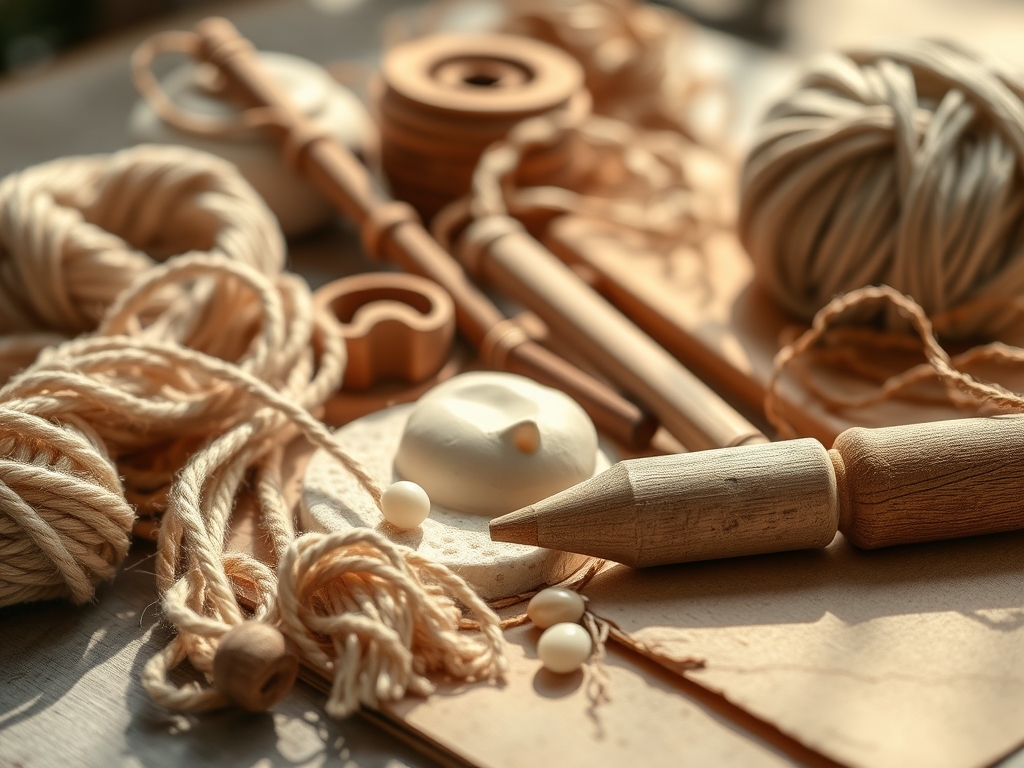
To master these techniques, you need a kit that balances precision with flow. Your primary tool is the bulb syringe, which allows for variable pressure control. Unlike a standard brush, the syringe maintains a consistent reservoir of material, ensuring your lines do not thin out mid-stroke. You will also need a set of precision metal tips of varying gauges to control the volume of the discharge. For fine-tuning, keep a stainless steel dental pick or a small awl nearby to pop air bubbles or drag the slip into sharp points.
A banding wheel is non-negotiable for fluid work. The centrifugal force helps distribute the slip evenly when you are performing radial techniques. For the slip itself, use a high-quality kaolin-based mixture. If you are looking for Material Substitutions, you can create a makeshift slip by reclaiming scraps from your throwing bucket and passing them through a 100-mesh sieve to remove any grog or impurities. Adding a few drops of sodium silicate acts as a deflocculant, thinning the slip without adding excess water, which preserves the tensile strength of the clay body.
THE TEMPO
The maker's rhythm in slip trailing is dictated by the evaporation rate. You cannot rush the clay, and you certainly cannot force the slip to dry faster than the atmosphere allows. Your preparation phase takes about thirty minutes; this involves sieving your slip and testing the viscosity on a test slab. Once you begin trailing, the work is fast and intuitive, usually lasting fifteen to twenty minutes per piece.
After the application, the "setting phase" is critical. You must allow the slip to reach a state of equilibrium with the pot. This takes roughly two hours in a draft-free environment. If you move the piece too soon, the slip may slump or distort. The final drying process to bone-dry status can take forty-eight hours. Respecting this tempo ensures that the structural integrity of the bond between the slip and the vessel remains intact, preventing the dreaded flaking or shivering after the kiln fire.
THE CORE METHOD
1. The Foundation Pour
Before you trail, you need a base. Pour a thin layer of contrasting slip over your leather-hard piece. The hydrostatic pressure of the liquid helps it adhere to the microscopic pores of the clay body. This creates a slick "skating rink" for your subsequent designs.
Mastery Tip: Ensure your base piece is exactly at the leather-hard stage. If it is too dry, the capillary action will pull water out of the slip too fast, causing it to crack and peel away.
2. The Linear Glide
Hold your bulb syringe at a forty-five-degree angle. Squeeze with a steady, ergonomic grip while moving your arm in a fluid motion. Do not use just your wrist; use your entire shoulder to maintain a consistent line weight.
Mastery Tip: This technique relies on laminar flow. If you move too slowly, the slip piles up; too fast, and the line breaks. Practice on a flat bat to find your personal speed constant.
3. The Teardrop Dot
Position the tip perpendicular to the surface. Apply a quick burst of pressure and then lift straight up. The surface tension of the slip will pull the liquid into a perfect, rounded dome.
Mastery Tip: To avoid "tails" on your dots, perform a tiny circular motion at the apex of the squeeze before lifting. This breaks the tension evenly.
4. Feathering and Combing
While the slip is still wet, use a single bristle or a fine awl to drag through multiple lines of color. This creates a marbled, "agateware" effect that mimics the movement of water.
Mastery Tip: This is a lesson in fluid dynamics. The tool must barely break the surface of the slip to avoid scarring the underlying clay body.
5. The Radial Spin
Place your piece on the banding wheel. Start the wheel at a slow, steady rotation. Begin trailing from the center and move outward. The centrifugal force will naturally pull the lines into a perfect spiral.
Mastery Tip: Use a caliper to mark your start and end points before you begin. This ensures the geometric precision required for professional-grade surface art.
6. Layered Impasto
Apply thick ribbons of slip and allow them to stiffen slightly. Use a palette knife to knock down the peaks, creating a textured, stone-like relief.
Mastery Tip: The ply thickness of the slip is vital here. If the layer is over three millimeters thick, it may trap air, leading to explosions in the kiln.
7. Slip Trailing over Wax
Apply a wax resist pattern to your pot first. When you trail the slip over it, the liquid will bead up and roll off the wax, leaving crisp, negative space designs.
Mastery Tip: This utilizes hydrophobic interaction. Ensure your wax is completely dry before trailing, or the slip will "creep" into areas you intended to keep clean.
8. The Marbling Shake
Apply three different colors of slip in large blobs. Gently shake or tap the side of the pot. The vibrations cause the colors to bleed into one another without fully mixing.
Mastery Tip: This technique exploits thixotropy, where certain materials become more fluid when shaken. It allows for organic, non-linear patterns that look entirely natural.
9. Burnished Transitions
Once the slip is "cheese-hard," take a smooth stone or a bone folder and gently rub the surface. This flattens the slip trails and creates a high-gloss, integrated finish.
Mastery Tip: Burnishing aligns the clay particles on the surface, which increases the light reflectivity and creates a tactile, skin-like texture after firing.
THE TECHNICAL LEDGER
Maintaining your tools is just as important as the craft itself. Always flush your syringes and tips with warm water immediately after use. If slip dries inside a metal tip, use a fine jeweler's saw or a thin wire to clear the blockage. For Material Variations, consider adding paper pulp to your slip to create "paper slip." This increases the tensile strength and allows you to build much thicker, sculptural layers without the risk of cracking.
The Correction:
- The Slump: If your slip is running, it is too thin. Fix this by letting the slip sit for an hour and siphoning off the clear water that rises to the top.
- The Crack: If the slip is peeling, the base pot was too dry. Lightly mist the pot with a fine sprayer before re-applying.
- The Clog: If the flow is intermittent, there are air bubbles. Tap the syringe on the table to force bubbles to the top before you start trailing.
For Studio Organization, store your mixed slips in airtight containers with a layer of plastic wrap touching the surface of the liquid. This prevents a "skin" from forming. Label every jar with the date and the specific clay-to-water ratio to ensure consistency in your future batches.
THE FINAL REVEAL
There is nothing quite like the moment you pull a slip-trailed piece out of the kiln. The way the light catches the raised ridges and the way the colors have fused into a glass-like finish is pure magic. Your piece now possesses a tactile history of your movements. It is bold, it is fluid, and it carries the energy of the studio. You have turned a simple suspension of earth into a sophisticated work of art that begs to be touched.
STUDIO QUESTIONS
How do I stop my slip from cracking?
Ensure your slip and your pot have similar moisture levels. If the pot is too dry, it sucks water out of the slip too fast, causing it to shrink and crack. Keep your work under plastic to slow the drying.
Can I use food coloring to tint my slip?
No, food coloring will burn away in the kiln. Use mason stains or metal oxides like cobalt or copper. These minerals are stable at high temperatures and will provide permanent, vibrant professional color.
What is the best consistency for slip trailing?
Aim for the consistency of heavy cream or melted chocolate. It should hold a soft peak when dropped from a spoon but still flow smoothly through a fine-gauge needle without requiring excessive hand pressure.
Why is my slip peeling off after the firing?
This is usually caused by a "fit" issue between the slip and the clay body. If the slip shrinks more than the pot, it will flake off. Match your slip base to your specific clay body for best results.