Grab your favorite glass pen and clear your desk because we are about to dive into the molecular magic of ink. Achieving a true Meditative Calligraphy Flow is not just about having a steady hand; it is about the physics of fluid dynamics meeting the porous surface of your paper. When the viscosity of the ink perfectly matches the nib width, you enter a state of neurological synchronization where the pen becomes an extension of your own pulse. We are looking for that specific sweet spot where surface tension holds the bead of ink against the metal reservoir just long enough to create a crisp line without a sudden, catastrophic blot. It is sensory, it is technical, and it is absolutely addictive once you master the drag. We are going to explore seven distinct ink types that transform a simple poem into a tactile masterpiece. Whether you are working with carbon black or shimmering mica particles, the goal is a seamless glide that allows your mind to drift into the rhythm of the alphabet.
THE STUDIO KIT
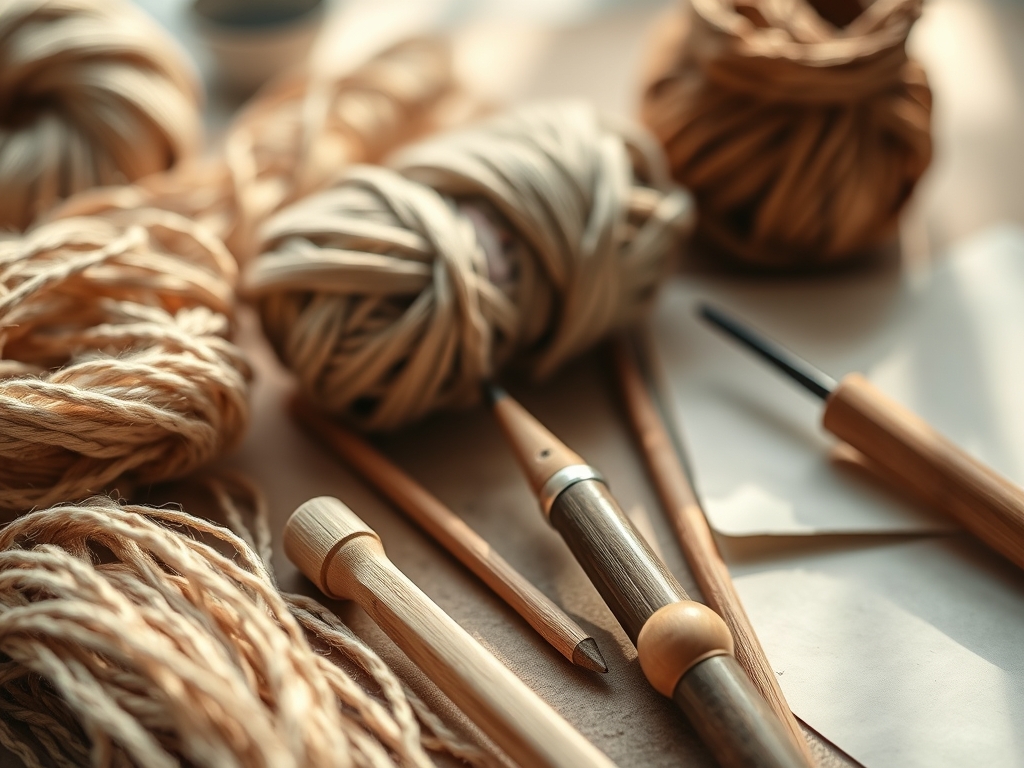
To master the art of the written word, you need a kit that respects the tensile strength of your paper fibers. Your primary tool is an ergonomic oblique pen holder or a straight holder with a high-quality brass flange. For the inks, we will be analyzing everything from traditional soot-based sticks to modern acrylic pigments. You will also need a bone folder to crisp your paper edges and a set of precision calipers if you are obsessed with maintaining a consistent x-height for your lettering.
Material Substitutions: If you cannot source professional walnut crystals, you can brew a highly concentrated batch of black tea or coffee. While the lightfastness is lower, the acidic tannins provide a beautiful, transparent wash that mimics vintage sepia. Instead of a professional dinky dip, small glass cosmetic jars work perfectly for holding small volumes of ink to prevent evaporation and maintain a consistent viscosity.
THE TEMPO
The Maker's Rhythm is divided into three distinct phases: the Preparation, the Execution, and the Curing. The Preparation takes roughly 20 minutes; this involves hydrating your inks and checking the gauge of your nibs for any signs of oxidation. The Execution phase is where the Meditative Calligraphy Flow happens. This can last anywhere from thirty minutes to several hours, depending on the length of your poem. Finally, the Curing phase is non-negotiable. Most high-pigment inks require at least 24 hours to fully polymerize or bond with the paper fibers before you can safely burnish the surface or erase any pencil guidelines.
THE CORE METHOD
1. Traditional Sumi Ink
Sumi ink is the gold standard for those seeking a deep, matte finish. Made from vegetable soot and animal glue, it has a unique molecular density that prevents it from feathering on most professional-grade papers. When you grind your own ink from a stick on a Suzuri stone, you are physically aligning the particles for a smoother flow.
Mastery Tip: The science of Sumi lies in its colloidal suspension. If the ink feels too "draggy," add a single drop of distilled water to decrease the internal friction, allowing the carbon particles to slide more freely through the nib slit.
2. Iron Gall Ink
This is the ink of the masters. It is a chemically reactive fluid made from oak galls and iron salts. When it hits the paper, it is a pale grey, but it darkens to a rich black as it oxidizes. It actually bites into the paper, creating a permanent bond that is incredibly resistant to fading.
Mastery Tip: Iron gall ink has a very low pH level, meaning it is acidic. Always clean your nibs immediately after use with a dedicated cleaner to prevent the acid from eating away at the metal's structural integrity.
3. Walnut Ink
Walnut ink is beloved for its warm, transparent qualities. It is highly water-soluble, which makes it perfect for creating gradients and "shading" within a single letterform. It flows beautifully from a pointed pen because it has a lower viscosity than acrylic-based inks.
Mastery Tip: To increase the surface tension of walnut ink so it sits higher on the nib, add a tiny pinch of gum arabic. This increases the "tack" and prevents the ink from dumping all at once onto the page.
4. Acrylic Calligraphy Ink
If you want vibrant color and waterproof results, acrylic is your best friend. These inks contain suspended pigments in an acrylic polymer emulsion. Once dry, they form a flexible plastic film over the paper fibers.
Mastery Tip: Acrylics dry quickly, which can lead to "clogging" via capillary action inside the nib. Keep a damp lint-free cloth nearby to wipe the nib every few minutes to maintain a consistent flow rate.
5. Gouache as Ink
By diluting professional-grade gouache to the consistency of heavy cream, you can create any color of ink imaginable. Gouache contains a high pigment load and a binder, providing excellent opacity even on dark cardstock.
Mastery Tip: Use a small brush to load the gouache onto the nib rather than dipping. This allows you to control the volume of the ink reservoir and prevents the weight of the paint from breaking the surface tension prematurely.
6. Distilled Metallic Inks
These inks contain mica or metallic powders. They are stunning for poem writing but require constant agitation. The heavy metallic particles tend to settle at the bottom of the jar due to gravitational sedimentation.
Mastery Tip: Use a magnetic stirrer or a small stir stick every few lines. The goal is to keep the particles in a state of homogenous distribution so your first word looks as shiny as your last.
7. Waterproof India Ink
India ink is a classic carbon-based ink with a shellac binder. This binder gives the ink a slight sheen and makes it completely waterproof once it has cured. It is perfect for pieces where you might want to add a watercolor wash over your calligraphy later.
Mastery Tip: The shellac in India ink creates a hydrophobic barrier once dry. If you find your pen is skipping, use a bit of high-grade alcohol to strip any residual shellac from the nib before you start your next session.
THE TECHNICAL LEDGER
Maintenance & Longevity: To ensure your work lasts for centuries, always use acid-free, archival paper with a high alpha-cellulose content. Store your finished poems in a cool, dry environment away from direct UV light to prevent the degradation of the pigment bonds.
Material Variations: For a sustainable approach, look for inks made from botanical dyes like indigo or madder root. Premium options include hand-ground cinnabar or lapis lazuli, which offer a refractive index that synthetic pigments simply cannot match.
The Correction:
- The Blot: If a large drop falls, do not wipe it. Use a clean awl or a corner of a paper towel to wick the fluid vertically.
- The Feather: If ink spreads into the fibers, your paper is too porous. Apply a thin coat of spray fixative or "pounce" powder to the surface to seal the fibers before retrying.
- The Skip: If the ink won't flow, the nib might have a factory oil coating. Pass it quickly through a flame to strip the oil and improve wettability.
Studio Organization: Store your inks in a dark drawer to prevent light-induced chemical changes. Ensure all caps are tightened to a specific torque to prevent evaporation, which can lead to unwanted thickening of the ink.
THE FINAL REVEAL
Look at that crisp, elegant line! When you find your Meditative Calligraphy Flow, the result is more than just words; it is a visual record of your breathing and focus. The way the light catches the raised texture of the ink on the page is a testament to your technical precision. Your poem now possesses a physical presence, with each letterform anchored perfectly to the paper's grain. It is high-energy, high-impact, and totally professional.
STUDIO QUESTIONS
What is the best ink for beginners?
Walnut ink is the most forgiving. Its low viscosity and easy cleanup allow beginners to focus on pressure and angles without worrying about the ink drying too quickly or staining their equipment permanently.
How do I stop my ink from feathering?
Feathering occurs when the paper's capillary action is too strong. Switch to a paper with a higher "sizing" content, or treat your current paper with a light dusting of gum sandarac to seal the fibers.
Can I mix different types of ink?
Generally, no. Mixing an acid-based iron gall with a carbon-based Sumi can cause the pigments to clump or precipitate. Always test a small batch in a separate container before mixing large quantities.
Why does my metallic ink look dull?
The mica particles have likely settled. You must maintain a constant suspension by stirring the ink frequently. Also, ensure you are using a non-absorbent paper so the metallic particles sit on the surface.
How do I clean a clogged nib?
Use a dedicated pen cleaner or a solution of water and a drop of ammonia. For stubborn, dried acrylic, a soft-bristled brush or a jeweler's cloth can help remove residue without damaging the nib's delicate tip.