Imagine the sensation of velvet sliding over cold glass; that is the exact tactile feedback you get when your brush hits a primed surface. We are diving deep into the physics of fluid gouache blending today. This technique relies on the unique suspension of high pigment loads in a liquid binder, allowing for a buttery transition that acrylics simply cannot replicate. To master botanical art, you must understand how moisture interacts with paper fibers. When we talk about fluid gouache blending, we are manipulating the surface tension of the water to create seamless gradients. It feels like magic, but it is actually a beautiful dance of capillary action and pigment density. You are not just painting a leaf; you are engineering a visual gradient that mimics the natural cellular structure of a plant. Grab your favorite mug of tea because we are about to transform your studio into a laboratory of color and light.
THE STUDIO KIT
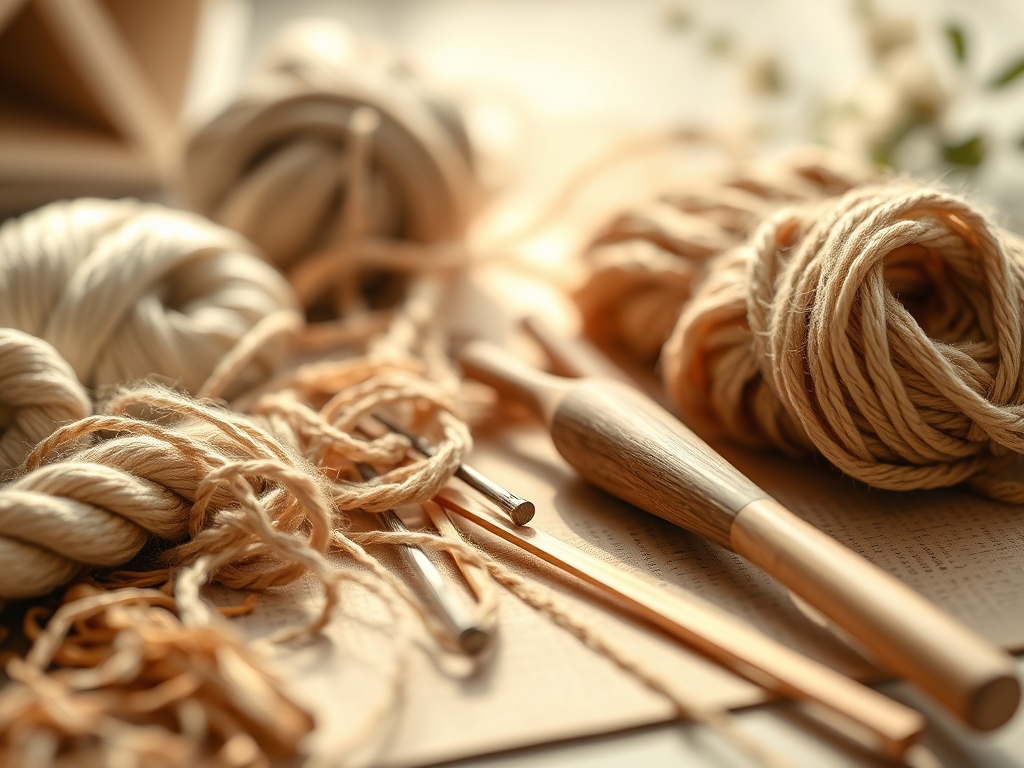
To achieve professional results, you need tools that respect the laws of physics. Your primary instrument is a **synthetic squirrel-hair brush**. Natural hair holds too much water, which can break the delicate balance of your pigment-to-water ratio. You will also need a **stay-wet palette** to keep your fluid gouache from skinning over. For the substrate, select a 300gsm cold-press cotton paper. The **tensile strength** of cotton fibers prevents warping when we apply our seven layers.
Material Substitutions:
If you do not have professional fluid gouache, you can thin traditional tube gouache with a drop of ox gall liquid. This surfactant reduces surface tension, making the paint flow more aggressively into the paper pores. Instead of a ceramic palette, a glass pane works beautifully because it is non-porous and allows you to see the true transparency of your glazes. Always keep a bone folder nearby to burnish any stray paper fibers that lift during the heavy blending phases.
THE TEMPO
The maker's rhythm for this project is a steady, rhythmic pulse. You cannot rush the drying times, or you risk lifting the previous layer, a phenomenon known as "reactivation." Expect to spend roughly fifteen minutes on the initial mapping phase. The core blending layers will take approximately forty-five minutes of focused, meditative work. Finally, the detail work and glazing require a slow, deliberate pace of thirty minutes. Total studio time: ninety minutes of pure, creative flow.
THE CORE METHOD
1. The Foundation Wash
Start by saturating your paper with a light, tea-consistency wash. This prime layer fills the interstitial spaces between the paper fibers. By pre-wetting the surface, you ensure that the subsequent layers of fluid gouache blending do not "grab" too quickly, giving you a longer open time to manipulate the pigment.
Mastery Tip: This step utilizes hydrostatic pressure. By filling the paper pores with water first, you create a buffer zone that prevents the pigment from sinking too deep into the substrate, keeping your colors vibrant on the surface.
2. Mapping the Mid-Tones
Using a medium-sized flat brush, block in your primary botanical shapes. Focus on the directional grain of the petals. Fluid gouache has a high opacity, but at this stage, we want a translucent "milk" consistency. This allows the white of the paper to act as a natural light source from beneath the paint.
Mastery Tip: Use an ergonomic grip to maintain consistent pressure. If you press too hard, you compress the paper fibers, which permanently alters how the paper absorbs moisture in later steps.
3. The First Wet-in-Wet Blend
While the mid-tones are still damp, drop in a slightly darker value. This is where fluid gouache blending truly shines. The pigments should bleed softly into one another without forming hard edges. Watch as the colors migrate through capillary action, moving from areas of high moisture to lower moisture.
Mastery Tip: The science of diffusion is your friend here. To stop a bleed from traveling too far, use a "thirsty brush" (a damp, clean brush) to wick away excess moisture at the boundary line.
4. Building Local Color Density
Now that the base is tacky, apply a thicker ply of paint. This layer defines the local color of your botanical subject. Because gouache is a matte medium, the light scatters off the surface in multiple directions, creating that signature velvety look.
Mastery Tip: Check the pigment load. If your paint looks chalky, you have too much filler and not enough binder. A tiny drop of gum arabic can restore the structural integrity of the paint film.
5. Shadow Sculpting
Switch to a smaller round brush to tuck deep shadows into the crevices of your botanical art. Use a complementary color rather than black to keep the shadows "alive." The fluid gouache blending here should be minimal; you want the shadow to sit firmly on top of the previous layers.
Mastery Tip: Pay attention to the evaporation rate. If your studio is dry, use a fine-mist spray bottle to keep the air around your paper humid, extending your blending window.
6. Veining and Micro-Details
Using a liner brush or a small stylus, pull thin lines through the damp paint to create veins. This is a subtractive and additive process. You are physically displacing pigment to reveal the lighter layers beneath, mimicking the organic complexity of a leaf.
Mastery Tip: This relies on displacement physics. The tip of your brush creates a furrow in the wet paint, and gravity pulls the surrounding liquid into the groove, creating a sharp, defined line.
7. The Luminous Glaze
The final layer is a "whisper" of color. Thin your fluid gouache until it is nearly transparent and sweep it over the entire piece. This harmonizes the layers and adds a professional "glow" to your botanical art. It acts as a final optical filter.
Mastery Tip: This is an optical interference layer. The thin glaze changes how light waves bounce through the various layers of pigment, creating depth that looks three-dimensional.
THE TECHNICAL LEDGER
Maintenance & Longevity:
Gouache is a rewettable medium, which means it is sensitive to humidity forever. To protect your work, never use a spray varnish directly on the surface, as it can change the matte finish. Instead, frame your piece behind UV-protective glass with a generous mat to prevent the paper from touching the glazing.
Material Variations:
For a sustainable approach, look for paints made with natural pigments like ochres and clays. Premium brands often use a higher concentration of honey-based binders, which increases the flexibility of the dried paint film and prevents cracking over time.
The Correction:
- The Muddy Blend: This happens when you overwork a damp area. Fix it by letting the area dry completely, then lifting the muddy pigment with a damp synthetic scrubber brush before reapplying.
- Hard Edges: If a transition dried too fast, use a damp brush to gently burnish the edge. The friction and slight moisture will reactivate the binder just enough to soften the line.
- Cracking: This occurs if a layer is applied too thick. Use a tiny amount of matte medium to "glue" the flake back down and seal the area.
Studio Organization:
Store your finished botanical pieces flat in a pH-neutral glassine folder. Avoid rolling the paper, as the thick gouache layers have low tensile flexibility and may snap if the radius of the curve is too tight.
THE FINAL REVEAL
Look at that! You have successfully navigated the complex physics of fluid gouache blending. Your botanical art should now have a depth that feels almost botanical in its realism. The transitions are seamless; the colors are vibrant yet sophisticated; and that matte finish is absolutely to die for. You have moved beyond just "painting" and into the realm of material mastery. Your studio is now a place where science meets soul.
STUDIO QUESTIONS
What is the best paper for fluid gouache blending?
A 100 percent cotton, 300gsm cold-press paper is ideal. The cotton fibers provide the necessary tensile strength to handle multiple wet layers without pilling, while the cold-press texture helps "trap" pigment for smoother transitions.
How do I prevent my gouache from looking chalky?
Chalkiness usually results from over-diluting the paint or using student-grade sets with heavy fillers. Use a professional-grade fluid gouache and add a tiny drop of gloss medium or gum arabic to enhance the pigment saturation and binder strength.
Can I layer fluid gouache over acrylics?
Yes, but only if the acrylic is completely matte. Gouache will not adhere well to glossy surfaces. The porosity of the base layer is key; the gouache needs a "tooth" to grab onto so it does not flake off later.
Why are my colors lifting when I add a second layer?
This is called reactivation. To prevent it, use a very light touch and a soft brush. Avoid "scrubbing" the paper. The goal is to lay the new pigment on top of the old without disturbing the underlying pigment-binder bond.