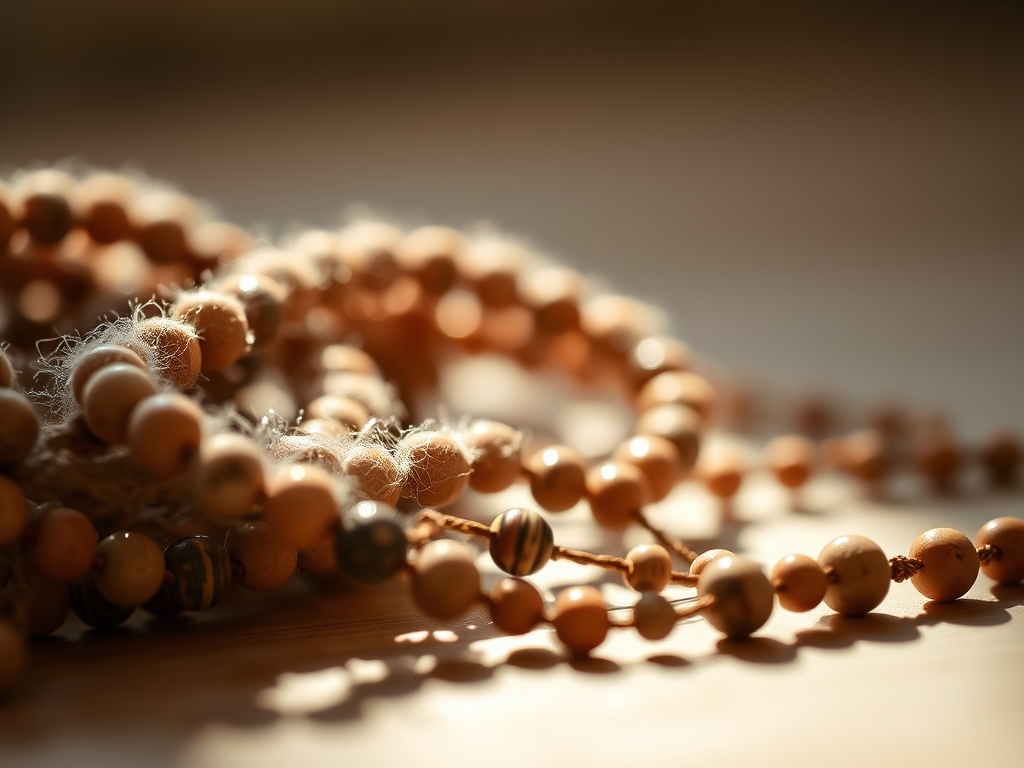
The cool, smooth weight of a glass bead resting in your palm is the ultimate grounding wire for a frantic mind. When we talk about Meditative Bead Stringing, we are not just making jewelry; we are engaging in a rhythmic calibration of the nervous system. You can feel the subtle friction of the silk thread as it passes through the fire-polished aperture of a bead. This is where high-end material physics meets emotional regulation. To achieve that perfect, fluid drape around the neckline, you have to understand how different glass finishes interact with light and skin oils. We are looking for that specific tactile feedback that signals quality. Whether you are choosing a matte velvet finish or a high-luster iridescent coating, the goal is a cohesive sensory experience. As you align each sphere, you are essentially building a structural bridge between your creative intent and the physical laws of gravity and tension. Let us dive into the studio and master the five finishes that turn a simple strand into a masterpiece of mindful engineering.
THE STUDIO KIT
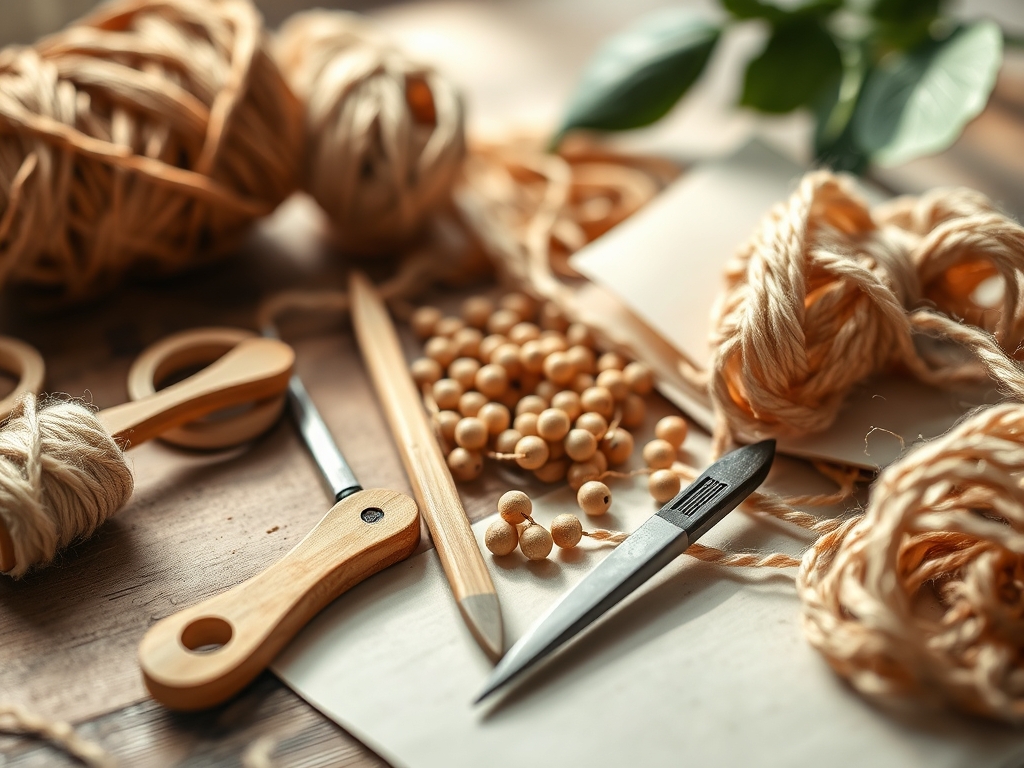
To master this craft, you need a kit that respects the delicate nature of glass while providing the structural integrity required for daily wear. You will need a set of digital calipers to ensure bead consistency, as even a 0.2mm deviation can disrupt the visual rhythm of a strand. Your primary tool is a fine-tipped jeweler's awl, which is essential for guiding knots flush against the bead surface to eliminate slack. For the stringing medium, we use 100 percent natural silk thread, specifically size 4 or 6 silk, which offers superior tensile strength and a soft, organic drape that synthetic nylon cannot replicate.
You also need a plush bead mat to prevent your materials from rolling; this provides the necessary friction to keep your layout organized. For finishing, a pair of micro-shear flush cutters is non-negotiable for achieving a clean edge without stressing the thread fibers.
Material Substitutions: If silk is unavailable, a high-density polyethylene (HDPE) braided thread like FireLine offers incredible durability and zero stretch, though it lacks the traditional "bounce" of silk. For a vegan alternative to silk that still maintains a high-end tactile feel, look for mercerized cotton cord, which has been treated to increase its luster and affinity for dyes.
THE TEMPO
The "Maker's Rhythm" is the secret sauce to a successful session. This project is divided into three distinct phases. First is the Curation Phase (20 minutes), where you measure the beads and check for burrs or sharp edges inside the channels using a bead reamer. Second is the Stringing Phase (45 to 90 minutes), which is the heart of the meditative process. Here, the tempo should be slow and deliberate; rushing leads to uneven knot tension. Finally, the Securing Phase (15 minutes) involves attaching the clasp and burnishing the final knots. Total active time is roughly two hours, but the mental clarity gained from the repetitive motion lasts much longer.
THE CORE METHOD
1. Preparing the Silk Lead
Before the first bead ever touches the thread, you must stretch the silk. Silk has a natural elasticity that will cause a necklace to sag over time if not pre-tensioned. Secure one end of the thread and pull firmly along the entire length. This aligns the fibers at a molecular level, ensuring the finished piece maintains its structural integrity.
Mastery Tip: This process utilizes the principle of linear elasticity. By removing the "mechanical stretch" before assembly, you prevent the weight of the glass from creating unsightly gaps between the beads later on.
2. Selecting the Matte Finish
Matte or "frosted" glass beads are etched with acid or sandblasted to create a micro-textured surface. This finish is ideal for Meditative Bead Stringing because the increased surface area provides a soft, grippy texture that feels warm against the skin. The lack of specular reflection allows the wearer to focus on the internal color of the glass.
Mastery Tip: The matte surface increases coefficient of friction. This means your knots will stay seated more securely against the bead hole, preventing the "sliding" effect often seen with high-gloss finishes.
3. Integrating the AB Luster
The Aurora Borealis (AB) finish is a metallic vapor deposition that creates an iridescent shimmer. When stringing these, you must be mindful of the coating's durability. Use a soft-bristled brush to clear any dust from the beads before stringing, as trapped particulates can act as abrasives against the silk.
Mastery Tip: This finish relies on thin-film interference. The coating is only a few microns thick, so avoiding harsh chemicals or perfumes is vital to prevent the delamination of the iridescent layer.
4. The Precision Knotting Technique
To achieve the meditative flow, use the "over-the-finger" knotting method. Slide a bead down to the previous knot, create a loop, and use your awl to guide the knot down the thread until it is snug against the bead. The awl acts as a fulcrum, allowing you to control the exact placement of the knot.
Mastery Tip: Consistent knotting creates uniform distribution of load. If one knot is tighter than the others, it becomes a stress point where the thread is more likely to snap under sudden tension.
5. Applying the Silver-Lined Core
Silver-lined beads feature a mirror-like coating inside the hole, which reflects light back through the glass. These beads often have sharper edges at the entry and exit points. Use a diamond-tipped bead reamer to smooth these edges to ensure they do not saw through your silk thread over time.
Mastery Tip: This is a lesson in mechanical abrasion. By smoothing the contact point between the glass and the thread, you are reducing the shear force applied to the silk fibers during movement.
THE TECHNICAL LEDGER
Maintenance & Longevity:
To keep your glass beads pristine, wipe them with a damp microfiber cloth after each wear. Avoid ultrasonic cleaners for beads with surface coatings like AB or luster finishes, as the high-frequency vibrations can cause the coatings to flake. Store your necklaces flat rather than hanging them to prevent gravity from stretching the silk over several years.
Material Variations:
For a sustainable approach, look for recycled sea glass beads, which offer a naturally tumbled matte finish. If you want a premium experience, Czech pressed glass provides the most consistent hole sizes and color saturation, making the technical aspect of stringing much smoother.
The Correction:
- The Gap: If you find a gap between a bead and a knot, do not untie it. Instead, use a tiny drop of specialized jewelry glue on a toothpick to secure the knot in place, then "nudge" the bead over it while the glue is tacky.
- The Fray: If the silk begins to fray, coat the end with a bit of beeswax or clear nail polish to create a temporary "needle" effect.
- The Tangled Loop: If your thread knots prematurely, insert two sewing needles into the center of the tangle and gently pull outward to tease the knot apart without stressing the fibers.
Studio Organization:
Store your glass beads in UV-protected containers. Prolonged exposure to sunlight can fade certain glass pigments and weaken the molecular bonds in silk thread. Use a labeled drawer system to categorize beads by size and finish to streamline your creative process.
THE FINAL REVEAL
Look at that drape! The way the different glass finishes catch the light creates a sophisticated, multi-dimensional look that feels expensive and intentional. Because you took the time to pre-stretch your silk and smooth every bead channel, this piece has the structural integrity to last for decades. The weight is perfectly balanced; it moves with your body rather than resisting it. You have successfully translated a series of technical steps into a wearable tool for tranquility. Every time you feel these beads against your skin, you will be reminded of the precision and care you poured into every knot.
STUDIO QUESTIONS
What is the best thread for glass beads?
Natural silk is the gold standard for its strength and elegant drape. It allows beads to sit closely together without the stiffness found in synthetic cords, providing a superior tactile experience during the meditative stringing process.
How do I prevent my necklace from stretching?
You must pre-stretch your silk thread before you begin stringing. By applying firm tension to the thread for several minutes, you remove the natural elasticity of the fibers, ensuring your knots stay tight and your beads remain flush.
Can I wash my beaded jewelry?
Gently wipe glass beads with a damp cloth. Never submerge silk-strung jewelry in water, as moisture causes silk to swell and then shrink, which can lead to permanent warping of the strand and potential rot within the knots.
Why are my knots uneven?
Uneven knots usually result from inconsistent tension or improper tool use. Using a jeweler's awl to guide each knot ensures they are placed at the exact same distance from each bead, creating a professional and structurally sound finish.
What does a matte finish do for a design?
Matte finishes diffuse light and provide a soft, velvet-like texture. Technically, they offer a higher coefficient of friction, which helps knots stay in place and provides a grounding, tactile sensation that is perfect for meditative jewelry pieces.