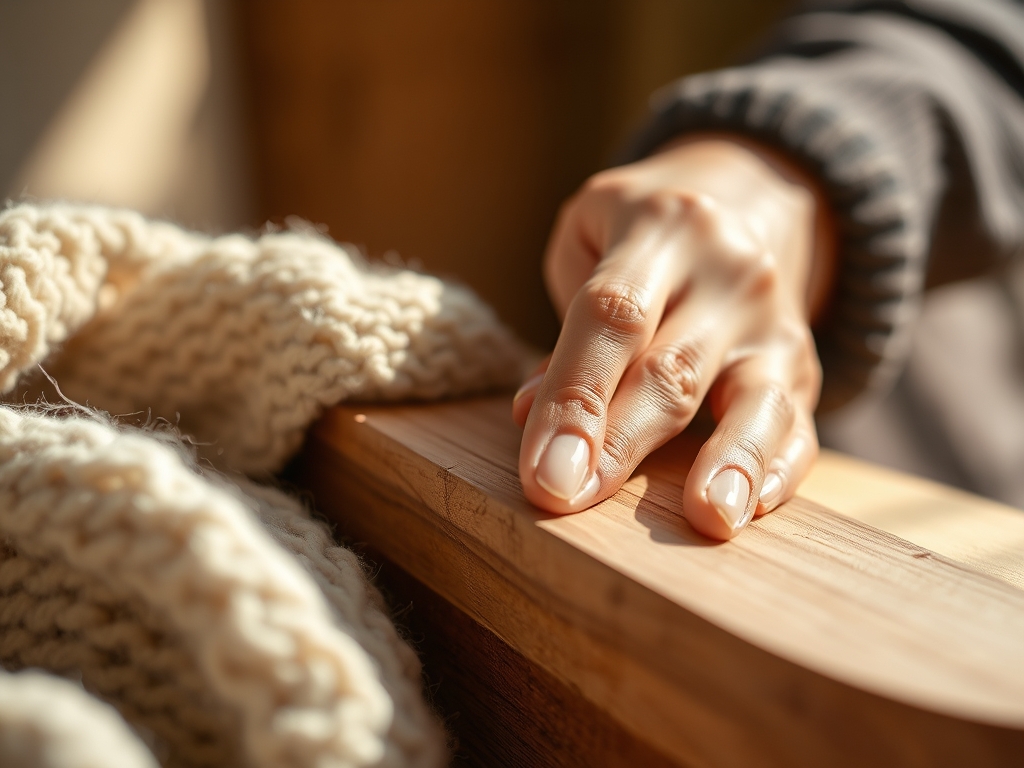
Close your eyes and feel the resistance of the fibers beneath your fingertips. There is a specific, electric hum that happens when the tensile strength of your medium meets the intentional pressure of your hand. This is the gateway to Finding Artistic Flow, a state where the boundary between your nervous system and the raw material dissolves into pure kinetic energy. Whether you are feeling the porous texture of cold-press paper or the cool, dense weight of kiln-dried hardwood, your brain is hard-wired to sync with these physical properties. To find your peace, you must first find your rhythm. We are going to dive deep into the mechanics of creation, using the physics of the studio to quiet the noise of the world. Grab your calipers and your coffee; we are about to engineer some serious serenity.
THE STUDIO KIT
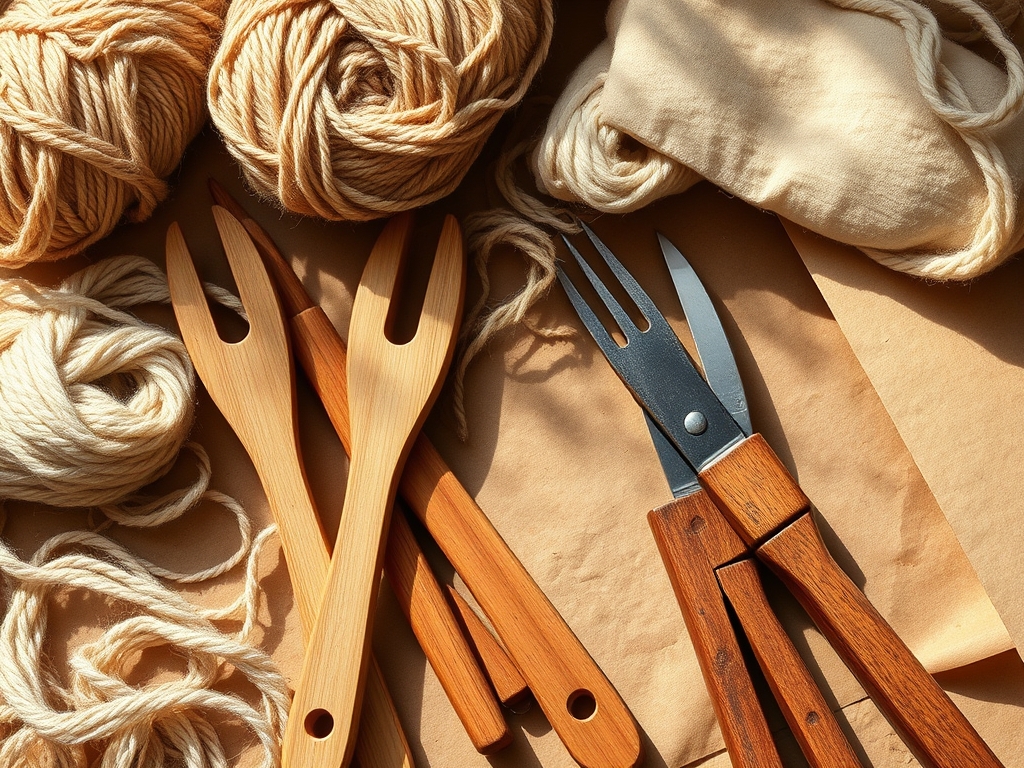
To master the art of flow, you need a kit that respects the laws of physics. We are looking for tools that offer ergonomic feedback and materials with predictable grain directions.
- The Precision Base: A self-healing cutting mat with a high-density polymer core. This provides the necessary friction coefficient to prevent material slippage.
- The Marking Gauge: A stainless steel caliper or a brass-tipped awl. Precision in the layout phase reduces cognitive load, allowing the "flow" state to take over.
- The Burnishing Tool: A genuine bone folder or a high-molecular-weight polyethylene (HMWPE) smoother. This is essential for collapsing air pockets in paper or leather.
- The Cutting Edge: A rotary cutter with a tungsten carbide blade or a #11 surgical steel scalpel for clean, burr-free edges.
- The Substrate: 300gsm cotton rag paper or 4-ounce vegetable-tanned leather. These materials have high capillary action for pigments and excellent structural integrity.
Material Substitutions: If you lack professional leather, heavy-duty denim or canvas treated with beeswax provides a similar tactile resistance. Instead of a bone folder, the smooth back of a polished stainless steel spoon works to burnish surfaces without tearing the delicate fibers.
THE TEMPO
The "Maker's Rhythm" is not about speed; it is about the frequency of your movements. In physics, resonance occurs when a system oscillates at its natural frequency. Your creative session should follow a similar curve.
- The Calibration (15 Minutes): This is the "warm-up" where you organize your workspace. Aligning your tools at 90-degree angles creates a visual order that lowers cortisol.
- The Engagement (45 Minutes): The heavy lifting. This is where you focus on mechanical advantage and repetitive motions, like sanding or scoring.
- The Deep Flow (90 Minutes): The "sweet spot" where time dilation occurs. Your heart rate slows as your fine motor skills take over.
- The Integration (20 Minutes): The cooling-off period. Clean your tools and inspect the structural integrity of your work.
THE CORE METHOD
1. The Tactile Calibration
Start by running your palms over your raw material. Identify the grain direction and the moisture content. If you are working with wood or paper, the fibers will feel smoother in one direction than the other. Understanding this anisotropy allows you to work with the material rather than against it.
Mastery Tip: This is about haptic feedback. Your skin's mechanoreceptors send signals to the somatosensory cortex, prepping your brain for complex spatial tasks. By acknowledging the material's limits early, you prevent "technical friction" later.
2. The Measured Breath
Use your marking gauge or calipers to create precise, repetitive marks. Do not rush this. The act of measuring requires a specific type of focus that bridges the gap between the analytical left brain and the creative right brain.
Mastery Tip: Precision measurements rely on parallax error reduction. By aligning your eye directly over the scale, you ensure accuracy. This visual alignment forces a physical posture that stabilizes your core, anchoring your body to the workbench.
3. The Controlled Shear
When it is time to cut or carve, focus on the vector of force. Whether you are using a jeweler's saw or a rotary cutter, the energy should come from your shoulder, not your wrist. This protects your joints and ensures a consistent kerf width.
Mastery Tip: This involves shear stress physics. A sharp blade reduces the force required to break the molecular bonds of the material. A dull blade increases friction, generating heat and jagged edges, which breaks your psychological flow.
4. The Burnished Connection
As you join pieces together, use your bone folder or a smooth weight to apply even pressure. This is where you observe surface tension if using adhesives, or interlocking friction if using mechanical joins.
Mastery Tip: In paper arts, burnishing collapses the inter-fiber voids, increasing the density and strength of the fold. This process, known as mechanical bonding, creates a permanent "memory" in the material, mirroring the mental "imprint" of your creative session.
5. The Pigment Saturation
If your flow involves color, observe the capillary action as the medium hits the substrate. Watch how the liquid moves through the porous surface. Instead of forcing the paint, guide it.
Mastery Tip: This is the study of fluid dynamics. The rate of absorption is dictated by the viscosity of your pigment and the hydrophobicity of the surface. Letting the physics do the work reduces the need for "perfectionism," which is the enemy of flow.
6. The Final Polish
The final step is the refinement. Use a high-grit abrasive or a soft cloth to remove any burrs or imperfections. This repetitive, circular motion is highly meditative and signals to your brain that the cycle is complete.
Mastery Tip: Fine-grit sanding (above 400 grit) is actually a process of creating microscopic scratches that are so small they reflect light uniformly. This creates specular reflection, giving your piece its professional, peaceful glow.
THE TECHNICAL LEDGER
Maintenance & Longevity: Steel tools like awls and blades should be wiped with a thin coat of camellia oil to prevent oxidation. Keep your calipers in a padded case to maintain their calibration accuracy.
Material Variations:
- Sustainable: Bamboo ply offers incredible tensile strength and grows faster than hardwoods.
- Recycled: High-density polyethylene (HDPE) from milk jugs can be melted and machined like soft timber.
- Premium: Grade A vellum or titanium-coated shears for the ultimate tactile experience.
The Correction:
- The Tear: If paper fibers fail, use a pH-neutral methyl cellulose adhesive. It has a similar refractive index to paper, making the fix invisible.
- The Overcut: If you slip with a jeweler's saw, use a mixture of sawdust and resin to create a "structural filler" that matches the density of the original piece.
- The Warp: If moisture causes bowing, use a weighted press to redistribute the internal hydrostatic pressure as the material dries.
Studio Organization: Store your projects in a climate-controlled environment with 40 to 50 percent humidity. Use acid-free glassine paper between layers to prevent acid migration and "ghosting" of images.
THE FINAL REVEAL
Look at that masterpiece! You have successfully navigated the complex physics of your materials to create something tangible. By focusing on Finding Artistic Flow, you did not just make an object; you rewired your stress response. The clean lines, the burnished edges, and the perfect structural integrity of your work are all physical evidence of a mind that found its center. Your studio is no longer just a room; it is a laboratory for inner peace.
STUDIO QUESTIONS
How do I start finding artistic flow today?
Clear your workspace of all non-essential items. Select one tool, like a bone folder or awl, and focus entirely on its weight and texture. This sensory grounding triggers the transition from a distracted state to a focused creative "flow."
What tool is best for precision in flow?
A high-quality stainless steel caliper is unbeatable. It allows you to translate abstract ideas into exact physical dimensions. Measuring to the millimeter provides the rhythmic, repetitive action necessary to quiet the analytical mind and enter a deep state of "flow."
Why does my creative flow keep breaking?
Flow usually breaks due to "technical friction," such as a dull rotary cutter or poor lighting. Ensure your tools are sharp and your ergonomics are optimized. When the physical movement is effortless, the mental state remains uninterrupted and peaceful.
Can beginners achieve a deep flow state?
Absolutely. Flow is not about skill level; it is about the balance between challenge and ability. Choose a task with a predictable grain direction or simple mechanical joins. As your tactile familiarity grows, your ability to enter "flow" becomes instantaneous.