Close your eyes and listen to the snap of the reed hitting the fell line. That crisp, percussive thud is the heartbeat of your studio. When you engage in Rhythmic Weaving Drills, you are not just making a scarf; you are calibrating your nervous system to the mechanical frequency of the loom. The tactile resistance of a high-twist wool against a polished steel reed creates a friction coefficient that you can actually feel in your fingertips. We are diving deep into nine specific texture studies designed to push your technical boundaries. These drills focus on the intersection of fiber density and hand speed. By the end of this session, your muscle memory will be so sharp that you will be able to detect a single misplaced warp thread simply by the change in tension across your palms. It is about the physics of the interlacement. We are looking for that perfect balance where the weft settles into the warp with zero distortion. Get ready to sweat a little, because high-speed weaving is a full-body workout for the modern maker.
THE STUDIO KIT
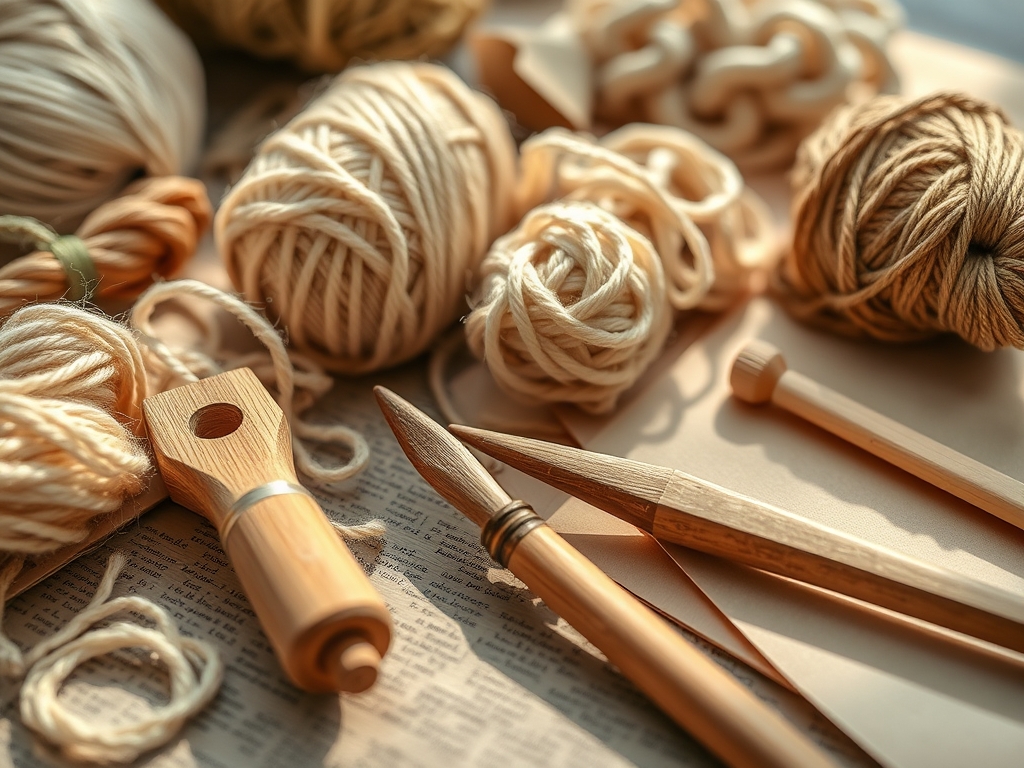
To master these drills, you need a toolkit that respects the laws of physics. Start with a high-quality table loom, preferably one with a smooth lever action to reduce repetitive strain. You will need a stainless steel reed (10 or 12 dent is standard for these studies) to ensure consistent spacing. Grab your digital calipers; we will be measuring the diameter of our weft yarns to calculate the precise picks per inch. Your shuttle choice is critical; a slim, ergonomic boat shuttle with a weighted core provides the necessary momentum for rapid passes. For the fibers, gather a variety of textures: mercerized cotton for its high tensile strength, slubby linen for its irregular surface friction, and a bouncy merino to study elasticity.
Material Substitutions: If you lack premium linen, a hemp cord provides a similar "crunch" and low-stretch profile. Instead of a professional warping mill, a set of sturdy clamps and a long hallway can serve as a makeshift warping path, provided you maintain a constant tension. If a boat shuttle is unavailable, a stick shuttle can work, though it will significantly alter your "Maker's Rhythm" due to the increased manual winding time.
THE TEMPO
Time in the studio is a resource, just like your yarn. For these Rhythmic Weaving Drills, we break the session into three distinct phases. Phase one is the Tension Calibration, which takes approximately 30 minutes. This is where you ensure your warp is drum-tight; any slack will cause "ghosting" in your patterns. Phase two is the Drill Execution, which lasts 90 minutes. This is a high-intensity period where you focus on the "Maker's Rhythm," a state of flow where the movement of the harnesses and the throw of the shuttle become a singular, fluid motion. The final phase is the Structural Audit, a 20-minute cool-down where you inspect the cloth for uniformity using a magnifying loupe. Total time: 140 minutes of pure, focused craftsmanship.
THE CORE METHOD
1. The High-Tension Foundation
Before throwing the first pick, you must establish a baseline tension. Use your calipers to check the distance between the breast beam and the castle at three points. They must be identical to within 0.5mm. This ensures that the warp ends exert equal pressure on the weft, preventing the dreaded "waisting" effect where the fabric pulls inward.
Mastery Tip: The physics of tensile strength dictates that a tighter warp allows for a cleaner shed. This reduces the friction on the yarn scales, preventing fraying during high-speed drills.
2. The Alternating Density Drill
Load two shuttles with yarns of different gauges. Weave four picks of a fine 20/2 cotton followed by two picks of a heavy rug wool. The goal is to maintain a consistent beat despite the drastic change in thickness. This drill teaches your hands to adjust the force of the reed strike based on the volume of the material in the shed.
Mastery Tip: This exercise exploits volumetric displacement. The heavier yarn occupies more space, requiring a lighter beat to avoid over-compressing the fibers and losing the "hand" of the fabric.
3. The Symmetrical Float Study
Create a pattern of 3/1 twill floats. Focus on the "snap" of the shed change. You want the threads to move past each other with minimal contact. If you hear a "sticky" sound, your tension is too low. The floats must sit perfectly flat against the ground weave without looping.
Mastery Tip: This relies on surface tension. If the warp is too loose, the floats will "bloom" and snag, destroying the structural integrity of the textile.
4. The Compression Gradient
Start with a very loose beat, creating a lace-like effect. Gradually increase the force of your strike until you are creating a dense, weft-faced tapestry weave. This drill is about controlling the "impact force" of the reed.
Mastery Tip: This is a study in compressive stress. By varying the strike, you are changing the "porosity" of the fabric, which affects how it will drape and breathe once removed from the loom.
5. The Rapid Shuttle Pass
This is a speed drill. Set a timer for five minutes and weave as many picks as possible with perfect selvedges. Do not look at your hands; look at the fell line. Your shuttle should glide across the race like it is on ice.
Mastery Tip: This utilizes kinetic momentum. A heavier shuttle will travel further with less effort, but requires more "braking" force from your hand to catch it at the exit.
6. The Negative Space Interlace
Leave deliberate gaps in your weft by skipping sections of the shed. This creates "windows" in the fabric. The challenge is keeping the warp threads from collapsing into the empty spaces.
Mastery Tip: This tests the lateral stability of your yarn. A high-twist yarn will resist collapsing better than a soft-spun roving.
7. The Color-Block Transition
Practice switching shuttles without breaking your rhythm. The "tail" of the old yarn must be tucked into the new shed with a bone folder or your fingers in one smooth motion. There should be no visible bump at the selvedge.
Mastery Tip: This is about seam integration. By overlapping the yarns within the shed, you create a friction-lock that prevents the ends from popping out during use.
8. The Texture Overlay
Introduce a non-traditional material, like a thin copper wire or a strip of recycled silk. Observe how these materials interact with the cotton warp. The wire will hold its shape, while the silk will compress.
Mastery Tip: This explores material modulus. Different materials respond differently to the pressure of the reed; the wire has a high "Young's Modulus" and will resist deformation.
9. The Final Finishing Beat
Weave the last two inches with a perfectly consistent "medium" beat. This is your "signature" section, where you prove you have mastered the previous eight drills. Every pick should be exactly the same distance from the last.
Mastery Tip: This is the ultimate test of muscle memory. Your brain has recorded the exact amount of force needed to achieve a specific "picks per inch" count.
THE TECHNICAL LEDGER
To maintain the longevity of your loom and your finished pieces, you must treat your tools with the same respect as a jeweler. Wipe down your stainless steel reed with a microfiber cloth after every session to prevent the buildup of "yarn lint," which can become abrasive over time.
Material Variations:
- Sustainable: Use organic "green" cotton or recycled sari silk for a lower environmental footprint.
- Premium: Opt for long-staple Egyptian cotton or mulberry silk for maximum luster and strength.
The Correction:
- The Problem: Uneven selvedges (bowing in). The Fix: Increase the "weft angle" when throwing the shuttle to allow more yarn for the "take-up" of the interlacement.
- The Problem: "Skipped" threads in the shed. The Fix: Check for a "sticky" warp; apply a light mist of water or a specialized warp sizing to smooth the fibers.
- The Problem: The reed is "ghosting" (leaving marks). The Fix: Your beat is too hard for the fiber type; reduce the impact force and ensure the reed is perfectly perpendicular to the warp.
Studio Organization: Store your unfinished projects on the loom under a dust cover. Never leave a loom under full tension overnight; release the pawl and ratchet slightly to prevent the warp threads from "creeping" or losing their elasticity.
THE FINAL REVEAL
Look at that texture! You have successfully navigated the complex physics of the loom. Your finished sampler is not just a piece of cloth; it is a physical record of your mastery over tension, speed, and material science. The way the light catches the different densities of the weave is a testament to your precision. You should feel a massive surge of "maker's pride" right now. You have taken raw fiber and transformed it into a structured, rhythmic masterpiece through sheer technical skill and a bit of grit.
STUDIO QUESTIONS
How do I stop my selvedges from pulling in?
Maintain a consistent weft angle of about 45 degrees before beating. This provides the extra length needed for the yarn to travel over and under the warp threads without pulling the edges inward.
What is the best way to fix a broken warp thread?
Use a "repair thread" weighted with a film canister or heavy clip at the back of the loom. Use a pin to secure the new thread into the fabric at the fell line and continue weaving.
Why does my fabric look "thin" once it is off the loom?
This is called "draw-in" and "shrinkage." When the tension is released, the fibers relax and contract. Always calculate a 10 to 15 percent loss in length and width when planning your project.
Can I use any yarn for the warp?
No, warp yarn must have high tensile strength and minimal stretch. Avoid "single" yarns that might pull apart under tension; instead, choose plied yarns with a smooth surface to reduce friction in the reed.