Imagine the friction of raw wool sliding between your thumb and forefinger; it is a microscopic landscape of scales and ridges that create a unique tactile signature. When you engage in Sensory Fiber Arts, you are not just making a decorative object; you are recalibrating your nervous system through the physics of touch and tension. The weight of a heavy linen cord or the cool, slick surface of mercerized cotton provides an immediate grounding effect. This is where high-end material science meets the primal need to create with our hands. We are diving deep into the structural integrity of fibers to transform stress into tangible, beautiful geometry. By focusing on the specific density of the materials and the repetitive motion of the craft, we trigger a flow state that silences the mental noise. Every tug, twist, and knot is a deliberate act of engineering that results in a physical manifestation of calm. Grab your favorite beverage and clear your workbench; we are about to turn raw fiber into structural poetry.
THE STUDIO KIT
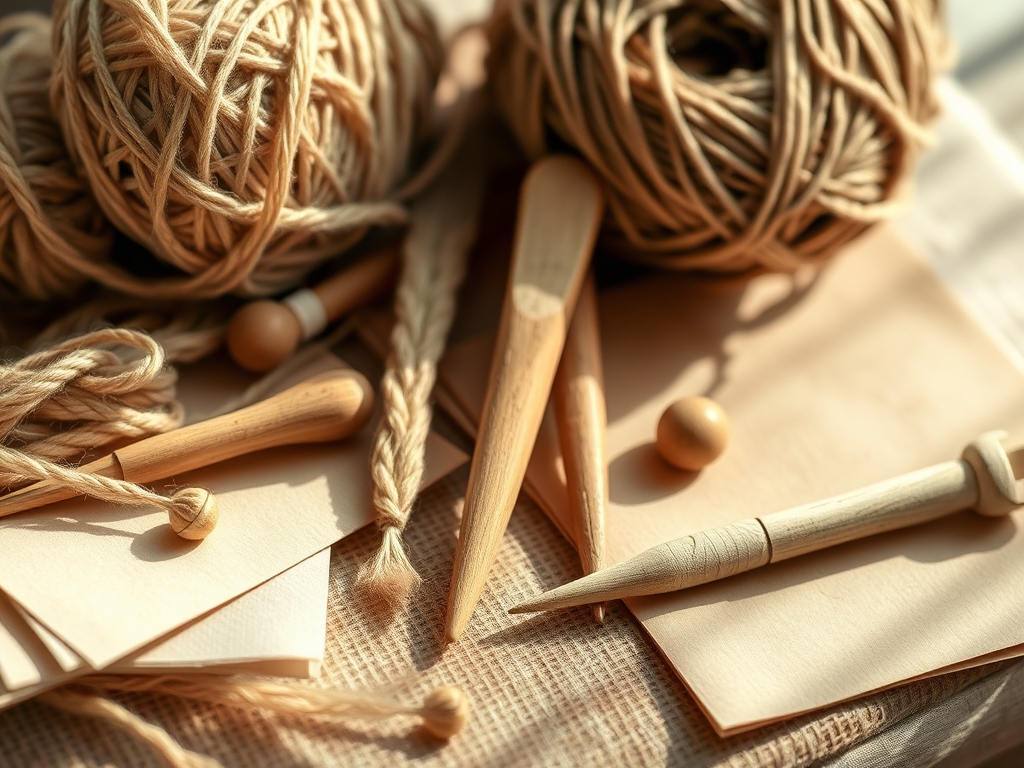
To master these techniques, you need a kit that respects the tensile strength and surface friction of your chosen mediums. Your primary tool is a high quality rotary cutter with a tungsten carbide blade; this ensures a clean, perpendicular edge on fabrics without disturbing the weave. You will also need a bone folder for crisp creasing, a set of ergonomic crochet hooks with soft-grip handles to prevent carpal strain, and a brass awl for piercing heavy gauge felts.
For materials, focus on a diverse range of textures. You need organic wool roving (high loft for squish factor), mercerized cotton yarn (low elasticity for structural stability), and recycled sari silk (variable thickness for visual and tactile interest). If you cannot find specific items, use these Material Substitutions: replace wool roving with unspun acrylic for a similar volume; swap the brass awl for a heavy duty upholstery needle; or use a sharp pair of fabric shears if a rotary cutter is unavailable. Always check the ply count of your yarns; a higher ply generally offers better durability and a more defined stitch definition during high tension work.
THE TEMPO
The "Maker's Rhythm" is the heartbeat of your studio practice. It is the steady, predictable cadence of your movements that facilitates the transition from high stress to a meditative state. Each phase of these sensory projects has its own specific time signature. The Preparation Phase (20 minutes) involves sorting your materials by color and texture; this is a visual warm up that prepares your brain for the task. The Creation Phase (1 to 3 hours) is the bulk of the work where the repetitive motions of knotting, weaving, or stitching take over.
Finally, the Finishing Phase (15 minutes) involves trimming loose ends and burnishing edges to ensure longevity. Do not rush the process. The goal is to align your breathing with the mechanical resistance of the fiber. When you feel the yarn slide through your fingers at a consistent speed, you have reached the optimal tempo. This synchronization reduces cortisol levels and improves fine motor coordination.
THE CORE METHOD
1. The Weighted Macrame Wall Hanging
Start by securing a thick wooden dowel to your workspace. Use a lark's head knot to attach four-millimeter cotton cord. The weight of the cord provides significant proprioceptive input, which helps ground your body in space. As you create square knots, focus on the uniformity of tension.
Mastery Tip: Understand tensile load. If you pull one side harder than the other, the cord will spiral. Keep your pressure consistent to maintain the vertical alignment of the fiber's grain.
2. Needle Felting Geometric Stones
Take a handful of core wool and roll it into a tight sphere. Use a 38-gauge star needle to poke the wool repeatedly. The barbs on the needle catch the microscopic scales of the wool fibers, locking them together in a process called entanglement.
Mastery Tip: This relies on fiber density. To create a firm structure, work from the outside in, rotating the piece constantly to ensure the needle reaches the center at different angles for a solid core.
3. Finger Knitting with Chunky Roving
This technique removes the tool barrier, allowing for direct skin to fiber contact. Loop the roving over your fingers in a figure eight pattern. The high loft of the wool provides a soft, cushioning sensation against the skin.
Mastery Tip: Watch your loop gauge. Because fingers vary in width, you must consciously space your stitches to prevent the fabric from puckering or becoming too loose to hold its shape.
4. Wet Felting Tactile Coasters
Layer merino wool fibers in alternating horizontal and vertical directions. Apply warm, soapy water and use a textured rolling mat. The combination of heat, moisture, and agitation causes the fibers to shrink and bond.
Mastery Tip: This is a lesson in capillary action. The water travels through the porous fibers, allowing the soap to lubricate the scales so they can slide and lock. Use a ruler to measure shrinkage, which is usually around 30 percent.
5. Punch Needle Texture Mapping
Stretch a piece of monk's cloth tightly over a frame until it sounds like a drum. Use a punch needle tool to push yarn through the weave. The friction of the fabric's weave holds the loops in place without knots.
Mastery Tip: Maintain surface tension. If the cloth sags, the loops will be uneven. Use a staple gun to secure the fabric to the frame for maximum stability during the punching process.
6. Sashiko Stress Mending
Use a long Sashiko needle and heavy cotton thread to create geometric running stitches on denim or linen. This practice focuses on the rhythmic repetition of the needle passing through the fabric.
Mastery Tip: Focus on stitch proportion. The beauty of Sashiko lies in the mathematical regularity of the lines. Use a fabric pen to mark your grid, ensuring each stitch is the same length as the space between them.
THE TECHNICAL LEDGER
Maintenance & Longevity: Fiber arts are susceptible to dust and UV degradation. To maintain your pieces, use a soft bristle brush to remove debris. Avoid direct sunlight, which breaks down the chemical bonds in natural dyes and weakens the molecular structure of the fibers.
Material Variations:
- Sustainable: Use hemp or bamboo fibers; they have high tensile strength and require less water to produce.
- Recycled: Repurpose old wool sweaters by "unraveling" them to reclaim the yarn.
- Premium: Invest in Grade A mulberry silk or Qiviut for the ultimate sensory experience and superior sheen.
The Correction:
- Mistake: Uneven edges in weaving. Fix: Use a weaving comb to pack the weft threads firmly and check the tension of your warp threads with a tension gauge.
- Mistake: Needle felting breakage. Fix: Ensure you are entering and exiting the wool at the same angle; side pressure will snap a high carbon steel needle.
- Mistake: Pilling on finished pieces. Fix: Use a fabric shaver or sharp scissors to remove loose fibers without cutting the structural threads.
Studio Organization: Store your fibers in airtight, transparent bins organized by weight and fiber content. Use cedar blocks to repel moths. Keep your metal tools like calipers and awls lightly oiled to prevent oxidation in humid environments.
THE FINAL REVEAL
Look at that! You have successfully navigated the complex world of Sensory Fiber Arts. The piece in front of you is more than just a craft; it is a structural achievement. Notice how the light catches the different textures and how the weight feels substantial in your hands. You have mastered the physics of tension and the chemistry of fiber bonding. This project stands as a testament to your ability to channel energy into a controlled, beautiful form. Whether it is the rugged knots of your macrame or the dense, soft surface of your felted stones, you have created something that speaks to both the eyes and the skin.
STUDIO QUESTIONS
What is the best fiber for beginners?
Cotton is ideal because it has low elasticity and high visibility. This allows you to see your stitch structure clearly and maintain consistent tension without the yarn stretching out of shape during the learning process.
How do I prevent hand fatigue?
Use ergonomic tools with larger handles to reduce grip force. Take breaks every twenty minutes to stretch your tendons. Maintaining a neutral wrist position prevents the compression of the median nerve during repetitive motions.
Can I wash my sensory fiber art?
It depends on the fiber content. Protein fibers like wool will felt if agitated in hot water. Cellulose fibers like cotton are more durable. Always spot clean first with a pH neutral detergent to preserve the material.
Why does my macrame look crooked?
This is usually a result of uneven tension. If one cord is pulled tighter than the rest, it creates a torque that twists the project. Use a weighted clip to keep your anchor cords steady while you work.