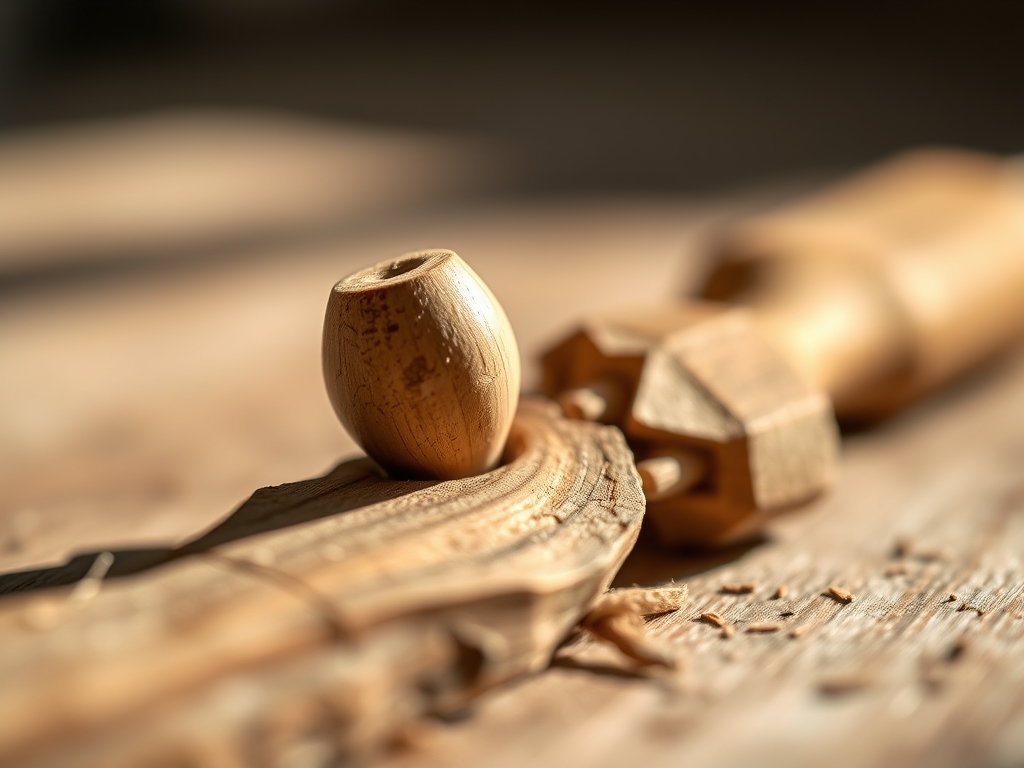
The scent of fresh cedar hits you before the blade even touches the surface. It is that crisp, resinous perfume that signals your brain to downshift into a state of creative flow. We are diving into the world of repetitive wood whittling to transform raw timber into rhythmic art. There is a specific tactile joy in feeling the resistance of the grain against a honed steel edge. You are not just carving; you are negotiating with the cellular structure of the wood. Each curl of shavings reveals the hidden geometry of the branch. This is about the meditative pulse of the knife. When you engage in repetitive wood whittling, you are training your fine motor skills to recognize the exact moment the wood fibers yield to the pressure. It is a dance of physics and patience. We are going to explore eight patterns that turn a simple stick into a masterpiece of texture and symmetry. Grab your favorite piece of basswood and let us get into the grit of the grain.
THE STUDIO KIT
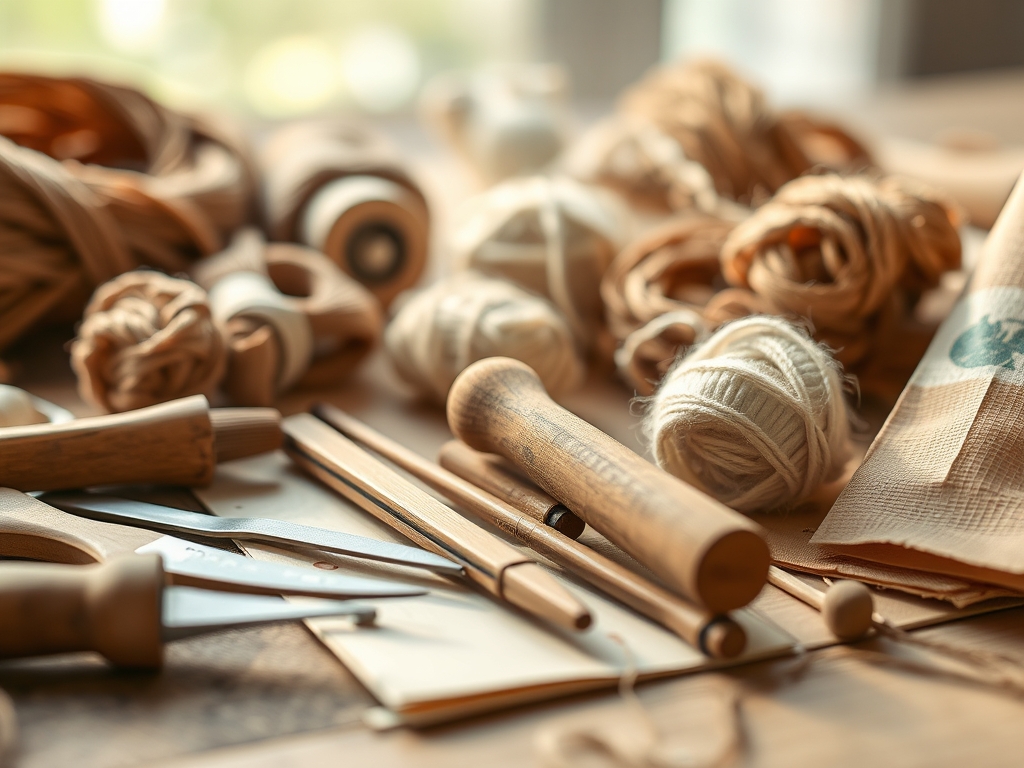
To master these patterns, your primary instrument is a high-carbon steel detail knife. Carbon steel holds a razor edge longer than stainless options, which is vital when you are making hundreds of identical cuts. You will also need a bench stone or strop loaded with chromium oxide paste to maintain that mirror finish. For precision, keep a pair of digital calipers nearby to measure the depth of your notches; consistency is the secret to visual harmony.
The material choice is paramount. Basswood (Tilia americana) is the gold standard for repetitive wood whittling because of its tight, even grain and low tensile strength across the fibers. This allows for clean shearing without the wood splitting unexpectedly. If you want a challenge, try Black Walnut, though its higher density requires more force and frequent sharpening.
Material Substitutions: If you cannot source seasoned basswood, look for Butternut. It has a similar "workability" but offers a richer, darker hue. For a sustainable twist, use recycled cedar fencing, though you must be wary of the high lignin content which can make the wood brittle. Always check the moisture content with a pin-type meter; aim for 8 to 12 percent to prevent checking and warping as you work.
THE TEMPO
The maker's rhythm is not about speed; it is about the frequency of the stroke. For each pattern, expect an initial "learning phase" of twenty minutes where you calibrate your hand-eye coordination to the specific resistance of the wood. Once you find the rhythm, a six-inch spindle typically takes about two hours of focused carving.
Think of it like a metronome. Your breath should sync with the longitudinal shear of the blade. The first thirty minutes are dedicated to "roughing out" the general dimensions. The middle hour is the "meditative core" where the repetitive patterns emerge. The final thirty minutes are for burnishing and detail refinement. If you rush the tempo, you risk "grain blowout," where the wood fibers shatter instead of slicing cleanly.
THE CORE METHOD
1. The Classic V-Notch
The V-notch is the foundation of all geometric carving. You use a stop cut perpendicular to the grain, followed by a diagonal slice that meets the base of the first cut. This creates a crisp, triangular valley.
Mastery Tip: This relies on shear stress. By angling the blade at exactly 45 degrees, you distribute the force evenly across the tracheid cells of the wood, preventing the walls of the notch from collapsing.
2. The Scalloped Scale
This pattern mimics the texture of a pinecone. It involves a series of overlapping shallow gouges. You use a U-gouge or a rounded detail knife to scoop out small, uniform ovals.
Mastery Tip: Watch the grain direction. If you carve "uphill" against the grain, the wood will tear. Always carve with the direction of the fibers to maintain a smooth, reflective surface within the scoop.
3. The Spiral Twist
This requires marking the wood with a pencil and string to create a helical guide. You then carve a continuous groove around the cylinder. It is a test of spatial geometry and consistent depth.
Mastery Tip: Use your thumb as a fulcrum. This creates a lever system that provides the mechanical advantage needed to maintain a constant depth of cut through varying densities of the heartwood.
4. The Diamond Grid
By crossing two sets of parallel V-notches at opposing angles, you create a raised diamond relief. This pattern is highly tactile and excellent for grip.
Mastery Tip: Focus on the apex of the diamond. If your cuts are too deep, the "points" will become fragile and snap off due to a lack of structural base. Keep the intersections shallow to preserve inter-fiber bonding.
5. The Fluted Column
Long, vertical channels carved down the length of the wood. This requires a steady hand and a very sharp V-tool. It emphasizes the verticality of the piece.
Mastery Tip: This pattern highlights capillary action when you apply a finish. The deep grooves will pull more oil into the end grain at the bottom, creating a natural gradient of color.
6. The Basket Weave
A series of short, horizontal and vertical blocks that simulate a woven texture. It requires precise layout with an awl before you start.
Mastery Tip: This pattern tests the compressive strength of the wood. By alternating the direction of the cuts, you are essentially "locking" the fibers in place, which makes the finished surface incredibly durable.
7. The Thumbprint Dimple
Similar to the scallop but deeper and more irregular. It creates a "hammered" look that is very popular in rustic design.
Mastery Tip: Use a rotary tool for the initial hogging out if you are working with hardwoods, then finish with a hand knife to create the "facet" marks that prove it was handcrafted.
8. The Pyramid Relief
This is the most advanced pattern, involving four-sided cuts that meet at a single point. It creates a 3D effect that plays beautifully with light and shadow.
Mastery Tip: Accuracy is everything here. Use calipers to ensure each side of the pyramid is identical. Even a half-millimeter deviation will ruin the optical illusion of the pattern.
THE TECHNICAL LEDGER
Maintenance & Longevity: To keep your carvings from cracking, you must seal the end grain. This is where the wood "breathes" fastest. Use a high-quality tung oil or beeswax polish. Apply multiple thin layers, allowing 24 hours between coats for the polymers to cross-link and harden.
Material Variations:
- Sustainable: Use fallen branches from fruit trees (Apple or Cherry). These have a tight grain and a lovely scent.
- Premium: African Blackwood is stunning but requires specialized carbide-tipped tools because its mineral content will dull standard steel in minutes.
The Correction:
- Mistake: The wood keeps splitting at the edges. Fix: Your stop cuts are not deep enough. Ensure the vertical cut is deeper than the diagonal slice to "trap" the grain.
- Mistake: The surface looks "fuzzy" after carving. Fix: Your blade is dull. A sharp blade severs the cells; a dull blade crushes them. Re-strop every 15 minutes.
- Mistake: The pattern is drifting off-center. Fix: Use a marking gauge to scribe reference lines before you start. Never "eyeball" a repetitive pattern.
Studio Organization: Store your unfinished projects in a sealed polyethylene bag with a small piece of damp sponge. This maintains a localized equilibrium moisture content, preventing the wood from drying out too quickly and splitting before you finish the pattern.
THE FINAL REVEAL
There is nothing quite like the weight of a finished piece in your palm. When you run your thumb over those repetitive ridges, you are feeling the physical manifestation of your focus. The way the light catches the facets of the pyramid relief or the soft shadows in the scalloped scales is pure magic. You have taken a chaotic piece of nature and imposed a beautiful, rhythmic order upon it. It is more than just wood; it is a tactile record of your presence.
STUDIO QUESTIONS
What is the best wood for beginners?
Basswood is the premier choice for repetitive wood whittling. Its soft, uniform grain and lack of "hard" latewood rings make it incredibly forgiving for those learning to control blade depth and pressure without constant grain interference.
How do I stop my hand from cramping?
Focus on ergonomic grip and use your larger arm muscles rather than just your fingers. Ensure your knife handle is thick enough to fill your palm; a thin handle forces a "death grip" which leads to rapid muscle fatigue.
Can I whittle green (wet) wood?
Yes, green wood is much softer and easier to carve. However, you must account for shrinkage. As the wood dries, your repetitive patterns may distort or crack. Carve slightly oversized and dry the piece slowly in wood shavings.
How often should I sharpen my knife?
You should strop your blade every 15 to 20 minutes of active carving. This maintains the "micro-bevel" of the edge. If you wait until the knife feels dull, you will have to return to the sharpening stones, wasting valuable time.
What safety gear is mandatory?
Always wear a Level 5 cut-resistant glove on your non-carving hand. Additionally, use a thumb guard on your carving hand. A sharp knife is safe, but a slip can happen instantly when working with dense wood fibers.