The cold, metallic bite of a raw silver ingot against your palm is the first signal that your creative session has begun. It feels heavy and unapologetically stubborn; a dense lattice of atoms waiting for you to impose order. As you pick up your first file, you transition into the zone of Meditative Silver Filing. This is not just about removing excess metal; it is a rhythmic, tactile dialogue between your muscles and the crystalline structure of the sterling. You can feel the friction generating a subtle heat as the teeth of the file bite into the surface, shearing away microscopic curls of silver. The sound is a low, rhythmic rasp that grounds your focus, turning a chaotic workshop into a sanctuary of precision. Within minutes, the physical resistance of the material begins to yield to your intent. You are not just shaping a ring or a pendant; you are practicing a form of controlled erosion that requires absolute presence. Every stroke must be intentional, following the geometry of the piece while maintaining a consistent pressure that prevents deep, accidental gouges in the precious metal.
THE STUDIO KIT
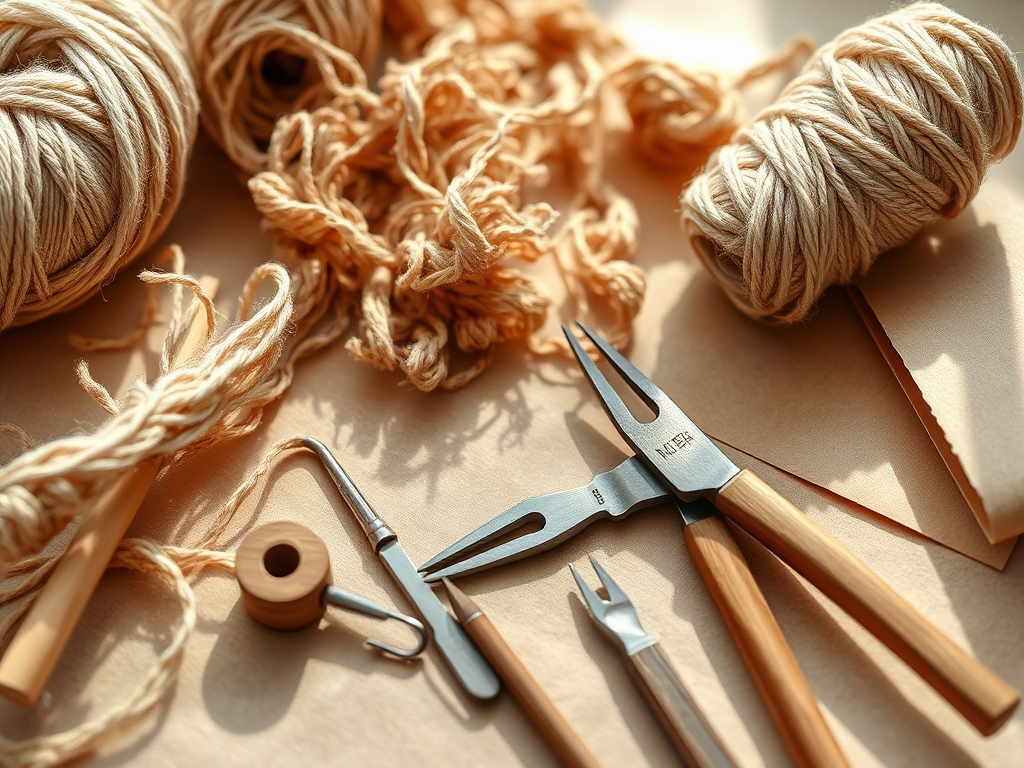
To master the art of the finish, you need a kit that balances brute force with surgical delicacy. Your primary workhorse is a set of Swiss-cut needle files, specifically in #2 and #4 cuts. These tools are rated by the density of their teeth; a #0 is coarse for rapid removal, while a #6 is so fine it feels like velvet. You will also need a bench pin, typically made of high-density hardwood like oak or maple, which provides the necessary counter-pressure for your strokes. For the polishing phase, a burnisher made of polished surgical steel or agate is essential for compressing the surface molecules to create a mirror shine.
Material Substitutions: If you cannot source professional polishing compounds like Tripoli or Rouge, you can use a high-grit automotive sandpaper (up to 3000 grit) followed by a paste made of baking soda and water for a soft, matte luster. Instead of a professional leather honing strop, a piece of thick, vegetable-tanned scrap leather glued to a flat board works beautifully to realign the "teeth" of your metal surface before the final buff.
THE TEMPO
The "Maker's Rhythm" is a temporal state where the clock disappears, but the physics of the metal remain constant. Expect to spend approximately 45 minutes on the initial shaping phase, where you use calipers to ensure the gauge of your silver remains uniform. The refining stage, where you move through progressively finer grits of abrasive, usually takes another 60 minutes. This is the heart of the meditative process; rushing here will result in "fire scale" or uneven reflections that ruin the piece's integrity. Finally, the high-luster polishing phase takes about 20 minutes of intense, high-speed friction. Total studio time for a single precision piece is roughly two to three hours of deep, focused labor.
THE CORE METHOD
1. Establishing the Primary Plane
Start by securing your silver against the V-slot of your bench pin. Hold your flat file at a consistent 45-degree angle to the edge of the metal. Use long, slow strokes that utilize the full length of the tool rather than short, choppy movements. This ensures that the tensile strength of the silver is not compromised by localized heat buildup.
Mastery Tip: Always file in one direction. Dragging the file backward across the metal dulls the teeth of the tool and creates microscopic burrs that trap polishing compound later, leading to a cloudy finish.
2. Refining the Contour with Half-Round Files
Switch to a half-round file to tackle interior curves or beveled edges. The curved side of the file allows for a rolling motion that follows the organic flow of the jewelry. Watch the "silver dust" or lemel accumulate; this is a sign of efficient material removal.
Mastery Tip: Use a "draw filing" technique for the final smoothing. Hold the file at both ends and pull it toward you across the surface. This acts like a scraper, leveling the peaks and valleys left by the initial shaping.
3. Graduated Sanding and Surface Tension
Transition to emery paper, starting at 400 grit and working up to 1200. Each grit must completely erase the scratches left by the previous one. If you skip a step, the final polish will reveal hidden "ghost lines" that are impossible to remove with buffing alone.
Mastery Tip: Sand in a cross-hatch pattern. By changing the direction of your strokes by 90 degrees with every grit change, you can visually confirm when the previous layer of scratches has been successfully leveled.
4. The Compression Burnish
Before applying any chemical compounds, use your steel burnisher to "work-harden" the edges. By rubbing the polished steel against the silver with significant pressure, you are physically moving the surface molecules and closing the porous grain of the metal.
Mastery Tip: This process relies on the principle of plastic deformation. You are smoothening the metal without removing any material, which increases the surface density and makes the piece more resistant to future scratches.
5. The Final Buff and Luster
Apply a small amount of jeweler's rouge to a felt wheel or a soft microfiber cloth. Move the piece in a circular motion, ensuring the friction creates enough heat to break down the wax in the compound. This is the moment the silver transforms from a dull gray to a liquid-like chrome.
Mastery Tip: Avoid "over-buffing" the edges. Excessive high-speed polishing can "round off" crisp geometric details through a process called mechanical erosion, destroying the intentionality of your design.
THE TECHNICAL LEDGER
Maintenance & Longevity: Your files are precision instruments. Never stack them on top of each other, as the hardened steel teeth will chip. Use a "file card" (a stiff wire brush) every ten minutes to remove silver particles trapped in the grooves. This prevents "pinning," where a trapped piece of silver scratches your workpiece.
Material Variations:
- Sustainable: Use "Eco-Silver," which is 100% recycled and has the same metallurgical properties as mined sterling.
- Premium: Argentium silver contains germanium, which increases tarnish resistance and allows for a higher natural fuse point.
The Correction:
- The Deep Gouge: If you slip and create a pit, do not try to sand it out locally. You must "feather" the surrounding area over a wide radius to maintain a flat plane.
- Fire Scale: This dark shadow is caused by oxidation deep in the metal. It requires a "pickling" solution (sodium bisulfate) to chemically strip the oxides before re-sanding.
- Clogged Files: If your file stops cutting, rub common blackboard chalk into the teeth. The chalk prevents silver from sticking to the steel.
Studio Organization: Store your silver in airtight "anti-tarnish" tabs or bags. Moisture and sulfur in the air are the enemies of a fresh polish. Keep your files in a vertical rack or a canvas roll to prevent the teeth from touching.
THE FINAL REVEAL
Look at that glow! The finished piece should feel like a solid drop of moonlight in your hand. Because you committed to the Meditative Silver Filing process, the surface is not just shiny; it is structurally sound and perfectly leveled. The transitions between the flat planes and the soft curves are crisp, reflecting light in a continuous, unbroken ribbon. This is the hallmark of professional benchwork. You have taken a raw, industrial material and, through the physics of friction and pressure, turned it into a wearable piece of art. The weight feels balanced, the edges are smooth against the skin, and that mirror finish is a testament to your patience.
STUDIO QUESTIONS
How do I know when to switch to a finer file?
Switch when the entire surface has a uniform texture and no deep shadows remain. If you see a scratch that looks deeper than the rest, stay with your current tool until the surface is perfectly leveled.
Can I use a rotary tool for the whole process?
While faster, rotary tools lack the precision of hand filing. Use them for bulk removal, but always return to hand files for the final 20% of shaping to ensure crisp, professional geometries and flat planes.
Why is my silver turning black during the process?
This is likely oxidation or "fire scale" caused by previous soldering. It indicates that the copper in the sterling has reacted with oxygen. You must sand through this layer or use a chemical pickle to remove it.
What is the best way to clean my silver after polishing?
Use warm water, a drop of grease-cutting dish soap, and a soft toothbrush. This removes the oily binders found in polishing compounds without scratching the delicate, high-luster surface you just worked so hard to achieve.