

Listen to that sound. It is the rhythmic, metallic scrape of a jeweler's saw biting into sterling silver, followed by the soft hiss of a butane torch. Can you feel the vibration in your fingertips? That is the moment where physics meets art. We are diving deep into the world of Meditative Jewelry Soldering, a process that demands total presence and a keen understanding of thermal dynamics. It is not just about melting metal; it is about controlling the flow of energy to create a structural bond that lasts a lifetime. You are essentially playing with fire and capillary action to turn separate components into a single, seamless entity. When you find your flow at the bench, the frantic noise of the outside world fades into the background. Your breathing synchronizes with the pulse of the flame. This is high-stakes crafting where a single degree of temperature determines the difference between a perfect joint and a molten puddle of regret. Let's get your station ready.
THE STUDIO KIT
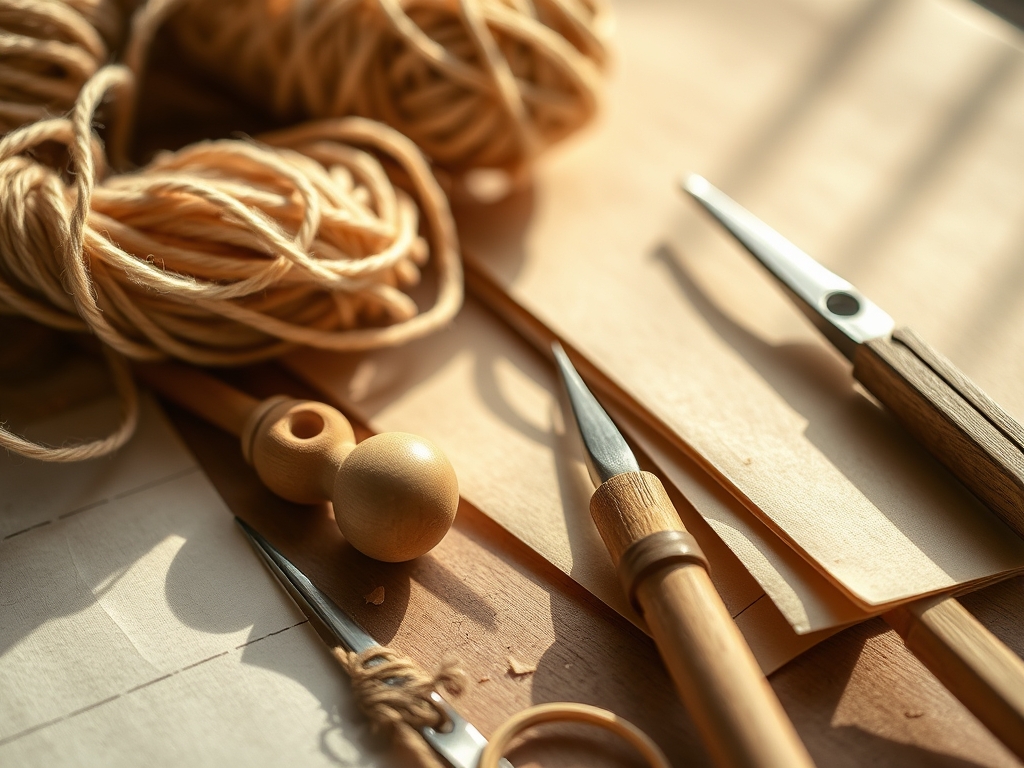
To master this craft, your bench must be an extension of your hands. You will need a honeycomb ceramic soldering block to reflect heat back into your workpiece, ensuring even thermal distribution. Grab your titanium soldering pick; titanium is essential because solder won't stick to it, allowing for precise placement of "pallions" (tiny chips of solder). You will also need cross-locking tweezers to act as a third hand, holding components in place without absorbing too much heat. For the chemical side, keep a jar of fluoride-free flux and a small dish of pickle solution (a mild acid) nearby to remove oxidation.
Material Substitutions: If you cannot find a ceramic block, a charcoal block is a premium alternative that creates a reducing atmosphere, preventing firescale on copper and silver. If you lack professional pickle, a mixture of warm water, white vinegar, and salt can act as a slow but effective substitute for removing surface oxides. Always use dead-soft wire for practice, as its lower internal tension makes it easier to manipulate with chain-nose pliers before the heat hits.
THE TEMPO
The "Maker's Rhythm" is a three-act play. Act One: The Prep (20 minutes) involves cleaning and fitting your joints. This is the most critical phase because solder will not bridge a gap; it requires a flush, light-tight fit. Act Two: The Heat (5 to 10 minutes) is the high-intensity window where you bring the metal to its "flow point." This requires a steady hand and a calm mind. Act Three: The Finish (15 minutes) is the tactile process of quenching, pickling, and polishing. Total time for a single high-quality joint is roughly 45 minutes of deep, focused work.
THE CORE METHOD
1. The Precision Fit
Use your jeweler's saw with a 2/0 blade to cut your metal. After cutting, use a #2 cut flat file to ensure the edges are perfectly square. Hold the pieces up to a light source; if you see light through the seam, the solder will fail.
Mastery Tip: This relies on surface tension. Solder is a lazy traveler; it wants to stay in a ball. A perfectly flush joint creates a narrow channel that "pulls" the solder in through capillary action, ensuring a deep structural bond.
2. The Flux Application
Coat the entire piece in flux using a small brush. Flux prevents oxygen from reaching the metal surface, which stops the formation of "firescale" or copper oxides that block the solder from flowing.
Mastery Tip: Flux acts as a thermal indicator. As you heat the piece, the flux will bubble, then turn white and crusty, and finally become clear and glassy. That glassy stage tells you the metal is nearing its annealing temperature.
3. Placing the Pallions
Cut tiny 1mm squares of solder. Use your soldering pick to place them directly on the seam. Space them evenly if you are working on a long joint to ensure total coverage.
Mastery Tip: Remember the thermal mass principle. Solder flows toward the hottest part of the metal. If one side of your joint is thicker than the other, heat the thicker side more to "pull" the solder through the gap.
4. The Gentle Preheat
Start with a bushy, orange flame. Circle the torch around the entire piece rather than focusing on the joint. You want the whole object to reach the same temperature simultaneously to prevent warping.
Mastery Tip: Metal expands when heated. By preheating the entire piece, you manage the coefficient of thermal expansion, preventing the joint from popping open as the molecules begin to vibrate more rapidly.
5. The Flash Flow
Once the flux is glassy, tighten your flame to a blue cone. Aim the tip of the inner cone just beside the joint. Watch for the "flash," a sudden silver liquid shimmer as the solder melts and zips into the seam.
Mastery Tip: This is the liquidus phase. The solder has transitioned from solid to liquid. You must remove the heat the millisecond this happens to prevent "pitting," which occurs when the solder begins to eat into the host metal.
6. The Quench and Pickle
Drop the hot piece into a bowl of room-temperature water using your tweezers. This "freezes" the molecular structure. Then, submerge it in the warm pickle solution for five minutes to strip away the glassy flux and oxidation.
Mastery Tip: Quenching sterling silver at the right moment can actually help maintain its ductility, making it easier to shape later without the metal becoming brittle and snapping.
7. The Final Burnish
After pickling, rinse the piece in water and baking soda to neutralize the acid. Use a steel burnisher or a polishing cloth to shine the seam. If done correctly, the joint should be invisible to the naked eye.
Mastery Tip: Use calipers to check the final thickness. A successful solder joint does not add bulk; it maintains the original gauge of the wire or sheet while providing maximum tensile strength.
THE TECHNICAL LEDGER
Maintenance & Longevity: Your soldering blocks will crack over time. Prevent deep degradation by flipping them regularly. Clean your soldering pick with sandpaper to remove carbon buildup, ensuring a clean transfer of solder every time.
Material Variations:
- Recycled Silver: Requires slightly more flux as it can contain trace impurities that rise to the surface.
- 14k Gold: Has a narrower window between the "flow point" and the "melting point." Precision is non-negotiable.
- Copper: Conducts heat incredibly fast; you will need a larger torch flame to compensate for the heat sink effect.
The Correction:
- The Solder Balled Up: Your metal wasn't clean or you didn't use enough flux. Solution: Pickle the piece, sand the joint, and start over.
- The Joint Cracked: You quenched it too fast or the fit was poor. Solution: Re-file the joint to ensure it is flush before re-soldering.
- The Metal Melted: You focused the heat on one spot for too long. Solution: Keep the torch moving in a circular motion to distribute energy.
Studio Organization: Store your solder in labeled tins by melting point (Hard, Medium, Easy). Never mix them, or you will ruin complex multi-step projects. Keep your chemicals in airtight glass containers to prevent evaporation and fumes.
THE FINAL REVEAL
Look at that! You have successfully navigated the high-energy world of Meditative Jewelry Soldering. The seam is flawless, the metal is bright, and you have mastered the delicate balance of heat and chemistry. There is a profound satisfaction in knowing that those two pieces of metal are now chemically bonded forever. Your finished piece isn't just a trinket; it is a testament to your focus and technical skill. Go ahead, run your thumb over the joint. It feels like a single, solid piece of history.
STUDIO QUESTIONS
What is the best flux for silver?
A fluoride-free liquid or paste flux is best. It provides a protective barrier against oxidation and acts as a visual temperature gauge, turning clear when the metal is ready for solder flow.
Why does my solder jump away?
Solder "jumps" if the flux dries too quickly or unevenly. To prevent this, heat the piece slowly from a distance to dry the flux into a steady crust before applying intense, direct heat to the joint.
Can I solder without a torch?
For professional jewelry, a torch is required to reach the necessary melting points. Soldering irons used for electronics do not produce enough heat to reach the "flow point" of silver or gold solder alloys.
What is the difference between hard and easy solder?
Hard solder has the highest melting point and the strongest bond. "Easy" solder melts at a lower temperature. Professionals use hard solder first, then medium, then easy for subsequent joins to avoid melting previous work.