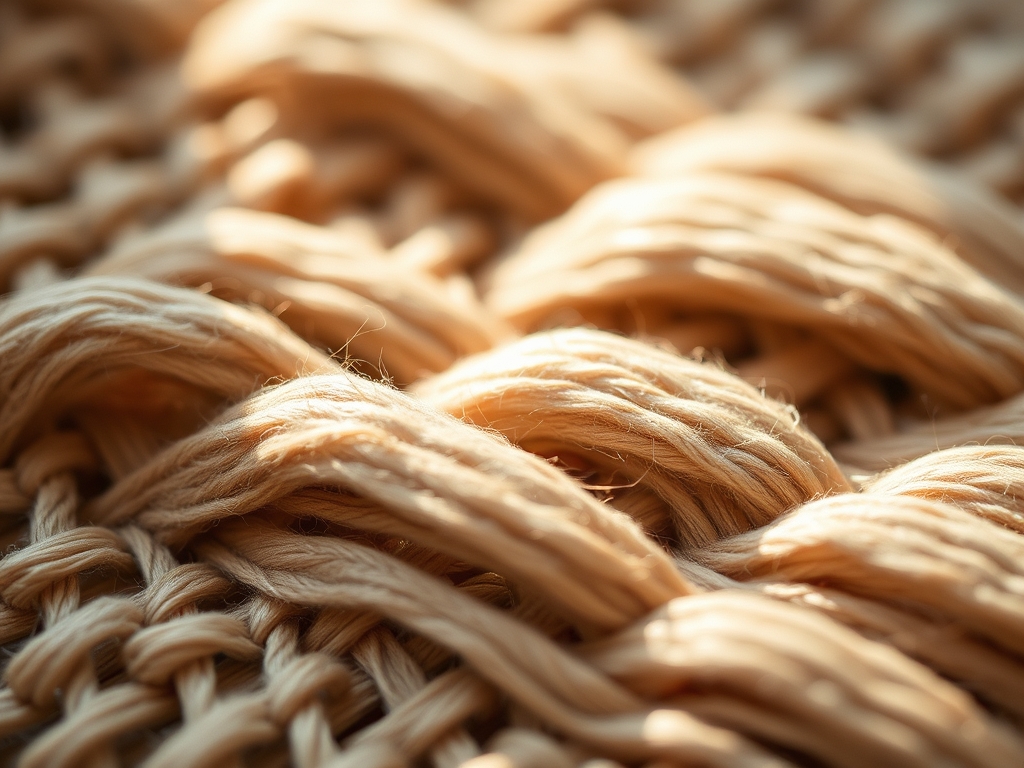
The smell of raw, unmercerized cotton is basically my favorite perfume; it has that earthy, sun-baked scent that tells you a project is about to get very real. When you sit down at your floor loom, you are not just making a textile; you are engaging in a high-speed physics experiment involving tensile strength and geometric precision. To master Rhythmic Weaving Patterns, you have to find that sweet spot where the shuttle throw matches your heartbeat and the treadle depression feels like a drum kick. It is all about the warp tension; if your threads are singing like a harp, you are ready to create something timeless. We are diving into six classic drafts today that rely on the mathematical beauty of four shafts. These patterns are not just pretty faces; they are structural masterpieces that use interlacement points to create a fabric that moves with you. Grab your favorite mug of coffee because we are about to turn those individual strands into a cohesive, rhythmic dance of fiber and logic.
THE STUDIO KIT
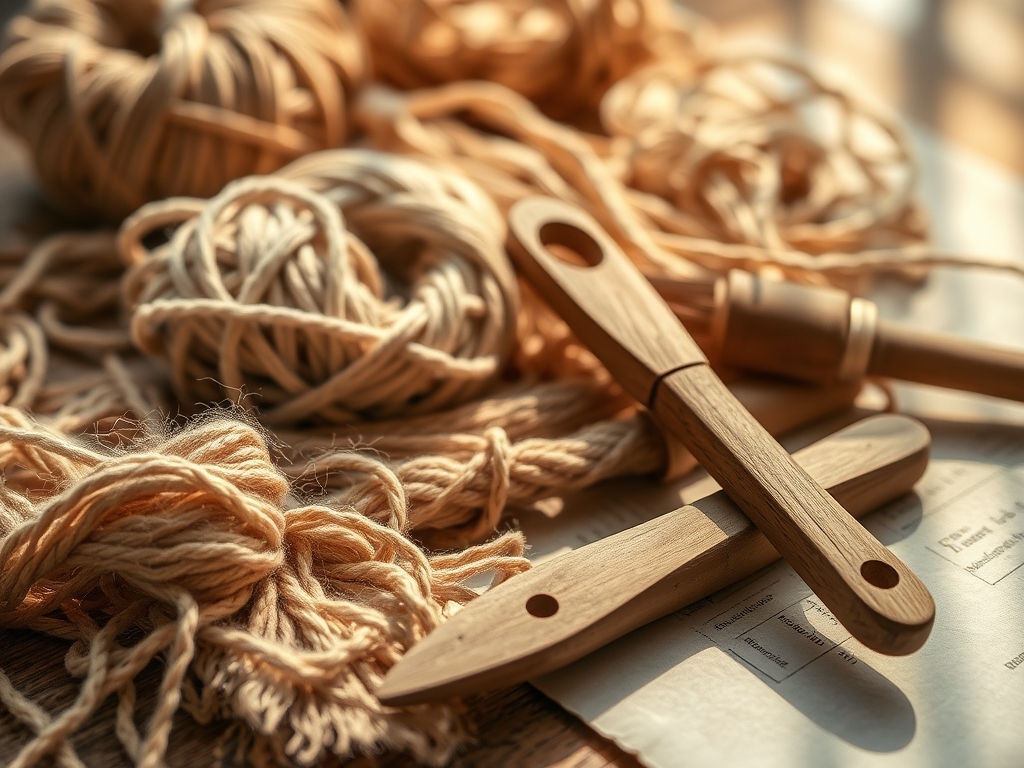
To execute these drafts, you need more than just a loom; you need a kit that respects the **micrometer precision** of your yarn. Start with a high-quality **stainless steel reed**, preferably a 10 or 12 dent, to ensure your **ends per inch (EPI)** remain consistent across the entire width of the web. You will need a **threading hook** with an ergonomic grip to prevent hand fatigue during the long setup phase. For measuring, skip the flimsy tape and use **steel calipers** to check your **picks per inch (PPI)** as you weave; consistency is the secret sauce of professional-grade rhythm.
Your primary material should be an 8/2 unmercerized cotton for its high absorbency and predictable shrinkage rate. However, if you want to experiment, consider Material Substitutions like tencel for a high-luster drape or a crisp linen-silk blend for added tensile resilience. Always keep a bone folder handy to crisp up your folded hems and a pair of high-carbon steel thread snips for clean, fray-free cuts.
THE TEMPO
The timeline for a four-shaft project is a game of two halves. The "Pre-Flight" phase, which includes winding the warp, beaming, and threading the heddles, usually takes about four to six hours depending on your warping board speed. This is the most cerebral part of the process where your focus must be absolute. Once you are tied on and the shed is clear, you enter the "Maker's Rhythm."
In this state, you should aim for a steady pace of about two to three inches of weaving per twenty minutes. This allows you to monitor the selvages without rushing. If you find yourself holding your breath, you are off-tempo. The goal is to let the oscillating motion of the beater bar become second nature. Total production time for a standard runner or set of towels usually lands between twelve and fifteen hours of active studio time.
THE CORE METHOD
1. The Twill Foundation
Start by threading your four shafts in a straight draw (1-2-3-4). This is the DNA of rhythmic weaving. As you treadle in a 1-2, 2-3, 3-4, 4-1 sequence, you create a diagonal wale that moves across the fabric. This structural bias allows the fabric to drape beautifully because the interlacement frequency is lower than a plain weave.
Mastery Tip: Understand surface tension. By reducing the number of times the weft crosses the warp, you allow the yarns to settle closer together, increasing the fabric's density without making it stiff.
2. The Rosepath Pulse
Modify your threading to a point twill (1-2-3-4-3-2-1). This creates small, diamond-like "roses" that repeat across the web. The symmetry here is key to the visual rhythm. You must maintain a consistent beat to ensure the diamonds do not look elongated or squashed.
Mastery Tip: Use capillary action to your advantage. When you wash the finished piece, the point twill structure creates tiny pockets that trap water, making this an ideal draft for high-performance kitchen textiles.
3. Herringbone Harmonics
By reversing the direction of your twill at set intervals, you create the classic herringbone. This requires a "break" in the threading sequence. The sudden shift in the grain direction reflects light differently, giving the fabric a shimmering, rhythmic quality even in solid colors.
Mastery Tip: Watch the structural integrity at the reversal points. These areas are prone to "floats" that are too long. Ensure your weft yarn is seated firmly in the crotch of the shed before beating.
4. Goose Eye Geometry
This is a variation of the point twill but on a much larger scale. By threading a long sequence of 1-2-3-4 followed by 4-3-2-1, you create large concentric diamonds. It requires a rhythmic counting system to ensure you do not lose your place in the treadling sequence.
Mastery Tip: Check your yarn gauge frequently. Because Goose Eye has longer floats, using a yarn with a high ply count will provide the necessary friction to keep the pattern from shifting during use.
5. Broken Twill Texture
For a more subtle rhythm, use a broken twill (1-2-4-3). This disrupts the diagonal line and creates a pebbled texture that is incredibly durable. It is the workhorse of the weaving world, offering a sophisticated "random" look that is actually strictly controlled by the four shafts.
Mastery Tip: This draft maximizes abrasion resistance. Because the interlacements are staggered, the fabric does not have a single "weak" line, making it perfect for upholstery or heavy-duty bags.
6. Waffle Weave Resonance
Waffle weave uses complex treadling to create a three-dimensional cells on the surface of the fabric. It is a masterclass in fiber architecture. The rhythmic opening and closing of the deep sheds feel different underfoot; it is a heavier, more deliberate movement.
Mastery Tip: Account for take-up and shrinkage. Waffle weave pulls in significantly more than other drafts. Calculate your warp length with an extra 15 percent margin to compensate for the deep structural recesses.
THE TECHNICAL LEDGER
Maintaining your loom and your finished pieces is just as important as the weaving itself. To ensure longevity, always release the tension on your warp if you are stepping away for more than twenty-four hours; leaving it under high tension can stretch the fibers beyond their elastic limit.
Material Variations: For a sustainable approach, use recycled cotton or hemp, which has a massive tensile strength but requires more "breaking in." For a premium finish, a silk-wool blend offers incredible thermal regulation and a sophisticated hand-feel.
The Correction:
- Skipped Thread: Use a repair needle to retroactively weave in a lost end; never just tie a knot in the middle of the web.
- Draw-in: If your edges are narrowing, you are pulling the weft too tight. Use a temple or "bubbling" technique to add more slack.
- Treadling Error: If you see a "float" where there should be a cross, unweave (tink) back to the mistake. There are no shortcuts in rhythmic geometry.
Studio Organization: Store your extra yarn in airtight, opaque bins to prevent UV degradation and moisture absorption. Label every cone with the lot number and fiber content using a high-quality label maker.
THE FINAL REVEAL
There is nothing quite like the moment you cut a finished project off the loom. As the tension releases, the fabric "blooms," and those Rhythmic Weaving Patterns finally settle into their permanent home. The tactile feedback of a well-woven four-shaft piece is unmistakable; it has weight, soul, and a mathematical perfection that you created with your own two hands. Your studio should feel like a victory lap right now. Take a second to burnish any loose ends and admire the way the light catches the interlacement points. You did not just make a textile; you mastered a rhythm.
STUDIO QUESTIONS
How do I choose the right reed for rhythmic patterns?
Select a reed based on your yarn's wraps per inch. For an 8/2 cotton, a 12-dent reed threaded two ends per dent gives you a perfect 24 EPI, ensuring the structural density needed for rhythmic clarity.
Why is my selvage looping?
Looping usually happens when the weft tension is too loose or the shuttle is thrown at an inconsistent angle. Maintain a 45-degree angle with the weft before beating to ensure the yarn wraps snugly around the selvage ends.
Can I mix different fiber types in one warp?
It is risky due to differing shrinkage rates. If you mix wool and cotton, the "fulling" process will cause the wool to shrink more, creating a puckered effect. Only do this if you want a seersucker texture.
How do I fix a broken warp thread mid-project?
Use a "weighted repair." Tie a new length of yarn to the broken end using a weaver's knot, thread it through the heddle and reed, then hang it over the back beam with a weighted clip.
What is the best way to finish the edges?
A hemstitch performed while the piece is still under tension provides the most professional finish. It secures the interlacement and prevents fraying before you even take it to the sewing machine for final hemming.