
Grab your safety glasses and tie back your hair because we are about to dive into the microscopic world of friction and light. There is a specific, electric hum that happens when a high speed muslin wheel meets a raw silver surface. It is not just about the sparkle; it is about the physics of smoothing out the molecular canyons left behind by your files and sandpaper. We call this process Meditative Jewelry Buffing because it requires a total synchronization of your breath and your grip. You are essentially moving metal at a microscopic level. When you feel that first bit of resistance from the rouge, you are witnessing the transition from a diffuse reflection to a specular one. It is messy, it is loud, and it is the most satisfying part of the entire bench process. We are going to transform that dull, oxidized workpiece into a mirror that would make a telescope jealous. Just remember that the heat you feel in your fingertips is energy being transferred, and that energy is exactly what creates the soul of the piece.
THE STUDIO KIT
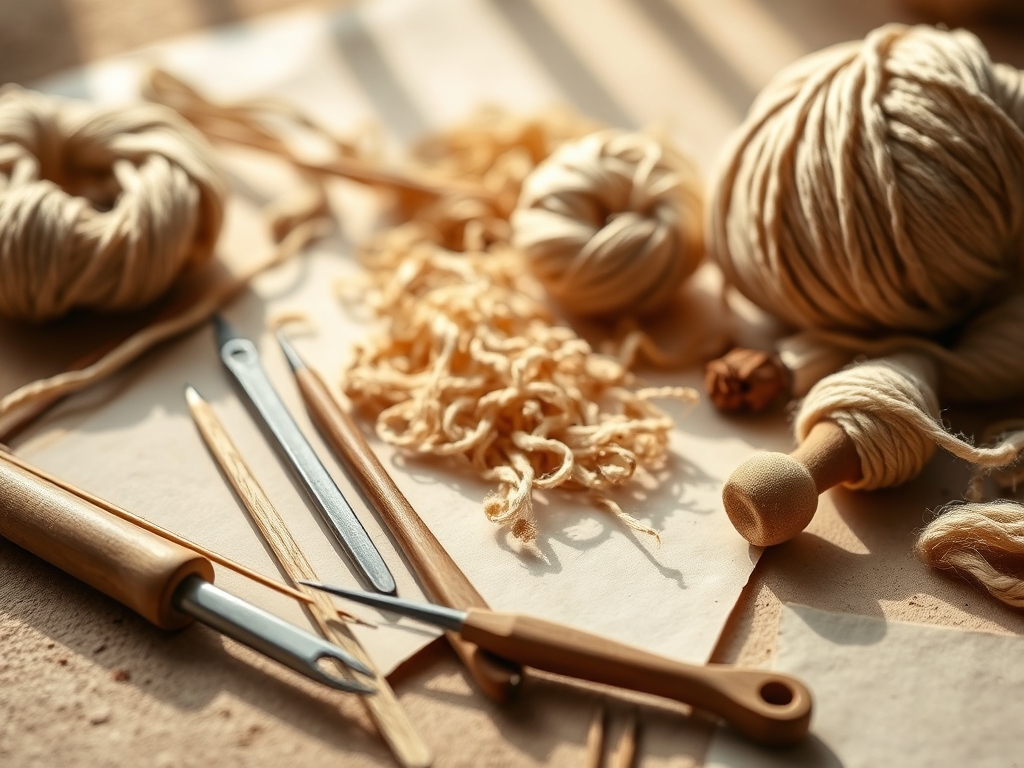
To master the art of the shine, you need a kit that respects the tensile strength of your metals while offering enough abrasive variety to step down the surface roughness. Your primary driver will be a variable speed bench motor or a high torque flex shaft. You will need a series of stitched muslin buffs for aggressive cutting and unstitched calico wheels for the final glow. The stars of the show are the compounds: Tripoli for the initial cut; White Diamond for the secondary smoothing; and Red Rouge for that deep, classic gold and silver luster. For specialty metals like platinum or stainless steel, keep a bar of Luxi Blue or Green Chrome Oxide handy. You will also need digital calipers to ensure you are not buffing away too much material thickness, especially on delicate 22 gauge sheet.
Material Substitutions: If you are out of Tripoli, a fine pumice powder mixed with a drop of mineral oil can act as a substitute abrasive. In a pinch, a burnishing tool made of highly polished steel or agate can compress the surface molecules to create shine without removing any metal mass at all. This is a cold working technique that increases the surface hardness of the piece through work hardening.
THE TEMPO
The "Maker's Rhythm" is a three act play where patience is the lead actor. You cannot rush the transition between grits. If you skip a step, you will simply be polishing the tops of deep scratches, leaving a "hazy" finish that looks amateur under a 10x loupe.
The Cutting Phase takes approximately ten minutes per square inch. This is where you remove the tool marks. The Smoothing Phase is faster, taking about five minutes, as you are only removing the microscopic scratches from the previous compound. The Final Glow is a lightning round of sixty to ninety seconds. Total time for a standard ring or pendant usually clocks in at thirty minutes of active contact time. If you find yourself pushing harder to get a result, stop. You are likely fighting a clogged buffing wheel rather than the metal itself.
THE CORE METHOD
1. The Initial Cut with Tripoli
Apply a light load of Tripoli compound to a stitched muslin buff. Hold your workpiece firmly but with an ergonomic grip that allows for micro adjustments. Move the piece constantly to avoid "flat spotting" the curves. The compound acts as a liquid sandpaper, leveling the peaks of the metal.
Mastery Tip: This stage relies on abrasive friction. The Tripoli particles are suspended in a wax binder that melts upon contact with the spinning wheel. If the metal gets too hot to hold, the wax is working; however, excessive heat can cause "orange peel" texture by disturbing the grain structure of the metal.
2. The Intermediate Refinement
Switch to a clean wheel and apply White Diamond compound. This compound has a smaller micron size than Tripoli. It bridges the gap between a "brushed" look and a "mirror" look. Ensure you are buffing in a direction perpendicular to your last pass to effectively "cross hatch" the surface smooth.
Mastery Tip: This step utilizes capillary action to pull the fine abrasive into the remaining microscopic valleys. By changing direction, you ensure that the abrasive particles do not just sit in the existing grooves but actively plane them down.
3. The High Luster Finish
Use your softest, unstitched cotton wheel for the Red Rouge. This compound does not "cut" the metal; it burnishes it. The rouge particles are so fine that they essentially move the surface molecules into a perfectly flat plane, allowing light to bounce back without scattering.
Mastery Tip: The science here is specular reflection. When the surface irregularities are smaller than the wavelength of visible light, the surface appears as a mirror. Use the lightest touch possible; let the speed of the motor do the work, not your muscles.
4. The Ultrasonic Clearance
After polishing, your piece will be covered in greasy black residue. Submerge the jewelry in an ultrasonic cleaner filled with a mixture of water, ammonia, and dish soap. The high frequency sound waves create cavitation bubbles that implode against the metal, stripping away the wax binder from every crevice.
Mastery Tip: Cavitation is the only way to reach the porous areas under stone settings. The energy released by the collapsing bubbles is intense enough to scrub the metal at a molecular level without scratching the newly polished surface.
THE TECHNICAL LEDGER
Maintenance & Longevity
Buffing wheels are not eternal. They accumulate "rake," which is a buildup of metal dust and dried wax. Use a buff rake or a clean serrated blade to periodically strip the face of the wheel while it is spinning. This exposes fresh fibers and prevents the wheel from becoming a "glazing" tool that just smears grease.
Material Variations
Sustainable/Recycled: When working with recycled silver, be aware of fire scale. This is a sub surface oxidation that requires a more aggressive Tripoli cut to remove.
Premium: For high karat gold (18k and up), use specialized ZAM compound. It is formulated to be gentle on the softer tensile strength of high gold content alloys.
The Correction
- The Drag Pit: If you see small "tails" behind a pit in the metal, you are buffing too long in one direction. The Fix: Change your rotation by 90 degrees and use a fresh, dry wheel to level the area.
- The Rounded Edge: Over buffing can kill the crisp lines of a geometric piece. The Fix: Use a felt lap or a hard wood polishing stick to maintain the structural integrity of sharp angles.
- Compound Contamination: Using Tripoli on a Rouge wheel creates scratches. The Fix: Label your wheels clearly and store them in separate zip lock bags to prevent cross contamination of grits.
Studio Organization
Store your compounds in a cool, dry place. If the wax binder dries out and the bar becomes brittle, it will not adhere to the wheel correctly. You can "revive" a dry bar by lightly warming it with a heat gun, but it is better to keep them in airtight containers. Hang your wheels on a pegboard to prevent the fibers from being crushed or picking up bench debris.
THE FINAL REVEAL
Look at that! The piece you are holding is no longer just a hunk of alloy; it is a professional grade treasure. When you catch the light on that perfectly leveled surface, you are seeing the result of disciplined physics and a steady hand. The depth of the shine should be "bottomless," meaning you can look into the metal rather than just at it. This Meditative Jewelry Buffing journey has taken you from raw, industrial grit to a sophisticated, high energy glow. Your piece is now ready for the gallery or the gift box, radiating a brilliance that only comes from understanding the soul of the machine and the character of the metal.
STUDIO QUESTIONS
How do I prevent the piece from flying out of my hands?
Always buff on the lower half of the wheel. If the wheel catches the piece, it will be thrown downward into the machine pan rather than upward into your face. Maintain a firm, three point contact grip at all times.
Why is my silver turning black during polishing?
That black residue is actually a mixture of spent abrasive and microscopic metal particles. It is a sign that the compound is working. If it does not wash off easily, you are likely using too much compound on the wheel.
Can I use the same wheel for different metals?
Technically yes, but it is a bad habit. Cross contamination can occur, especially when moving from a base metal like copper to a precious metal like gold. Dedicated wheels for each metal type ensure the purest possible finish.
What is the best speed for a rotary tool?
For most jewelry applications, a mid range speed of 5,000 to 10,000 RPM is ideal. High speeds generate excessive heat which can melt delicate solder joints or damage heat sensitive gemstones like opals or pearls.