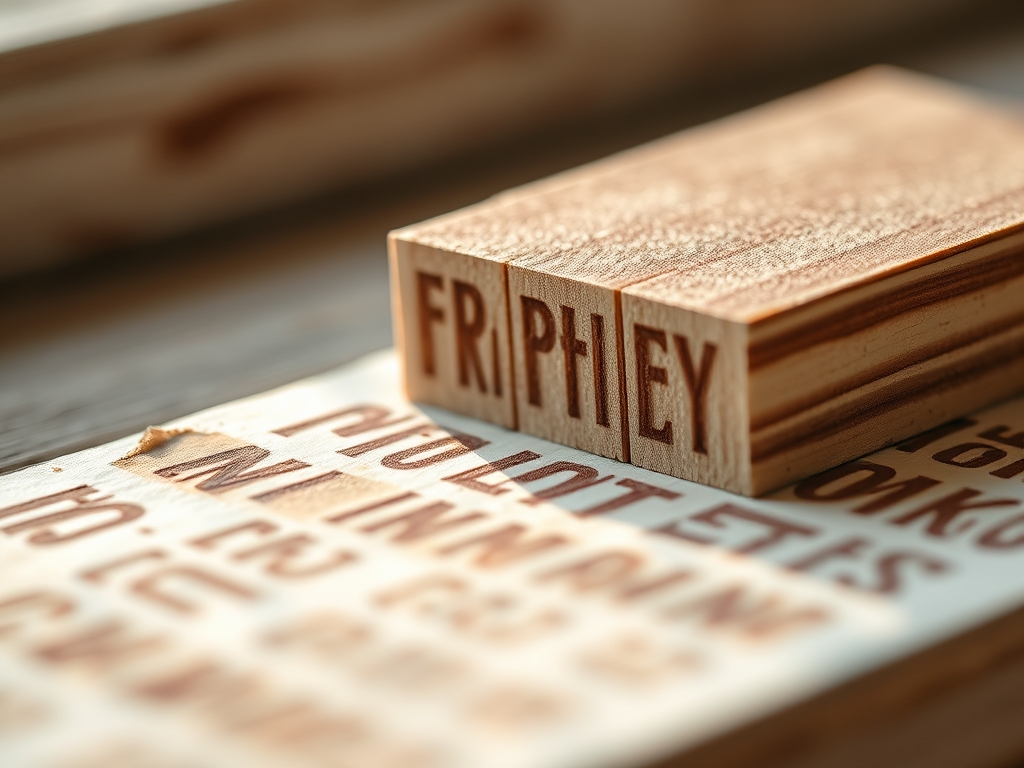
The smell of linseed oil and the crisp snap of heavy cardstock are the only wake up call you need. We are diving into the rhythmic world of Repetitive Block Printing to build a five color masterpiece that feels as good as it looks. When you run your thumb over a finished card; you should feel the slight indentation where the lino met the fibers; a physical record of the pressure applied during the transfer. This process is not just about slapping ink on paper; it is a delicate dance of tensile strength and chemical adhesion. We are creating a layered narrative where each pass of the brayer adds a new chapter of depth. Grab your apron because we are about to turn a simple stack of paper into a tactile experience that screams professional quality.
THE STUDIO KIT
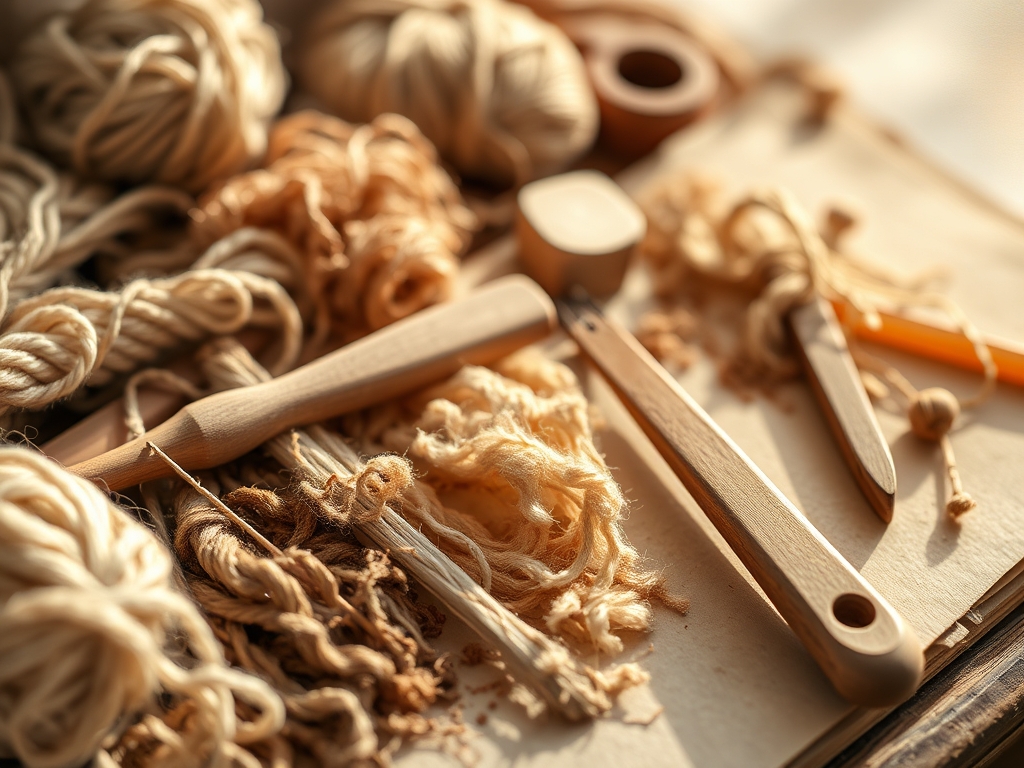
To master Repetitive Block Printing; you need a kit that respects the physics of friction and fluid dynamics. Your primary surface should be a high density battleship gray linoleum or a soft carve rubber block. The battleship gray offers superior structural integrity for fine lines because its burlap backing prevents the material from stretching under the pressure of the press. You will need a set of sharp gouges; specifically a V-tool for fine outlines and a wide U-gouge for clearing large areas of negative space.
Your ink choice is critical. Use a professional grade oil based relief ink that remains tacky on the slab but dries through oxidation on the paper. For the substrate; select a 300gsm cotton rag paper. The porous nature of cotton fibers allows the ink to settle deep into the grain; preventing the "haloing" effect seen on cheaper; coated stocks.
Material Substitutions: If you cannot find high density linoleum; a high density polyethylene (HDPE) cutting board can work; though it requires a jeweler's saw for precise external cuts. If professional inks are out of reach; mix a drop of clove oil into standard acrylics to slow the drying time; though the finish will be flatter and less vibrant than true oil based pigments.
THE TEMPO
The "Maker's Rhythm" is a cycle of action and patience. For a five color project; expect a total active studio time of about eight hours; spread across several days to allow for proper ink curing. The design and carving phase takes approximately three hours; as you must meticulously plan the registration for all five layers. The printing phase is a rapid fire sequence; taking about thirty minutes per color layer for a batch of twenty cards. However; the "ghost time" is where the science happens. Each layer requires at least twenty four hours of drying time. If you rush the tempo; the wet ink of the previous layer will undergo "offsetting"; where it lifts off the paper and onto the back of the next block; ruining your registration.
THE CORE METHOD
1. The Master Registration Grid
Before you carve a single sliver; you must establish a registration jig. Use a thick piece of plywood and a rotary cutter to create a right angle corner. This jig ensures that every piece of paper and every printing block sits in the exact same spatial coordinates.
Mastery Tip: This relies on the principle of geometric consistency. By using a fixed corner; you eliminate the "stacking error" that occurs when you try to align layers by eye. Even a half millimeter shift will be magnified across five colors.
2. Carving the Highlight Layer
Start with the lightest color. Use your finest V-gouge to carve away only the areas you want to remain the color of the paper. In Repetitive Block Printing; we often use a reduction method where one block is carved progressively for each color.
Mastery Tip: Pay attention to the grain direction of the linoleum. Carving with the grain requires less force and prevents the tool from skipping; which protects the tensile strength of the remaining thin ridges of material.
3. Calibrating Ink Viscosity
Squeeze a small amount of ink onto a glass slab. Use a palette knife to work the ink until it is supple. When you roll it out with a brayer; it should make a distinct "hissing" sound. This sound indicates the ink has reached the perfect gauge for even coverage without filling in your fine carved lines.
Mastery Tip: This is a lesson in surface tension. If the ink is too thick; it will bridge across your carved channels. If it is too thin; it will bead up on the block surface rather than forming a continuous film.
4. The Pressure Transfer
Place your inked block into the registration jig; then carefully lay your paper on top. Use a bone folder or a professional barren to apply firm; circular pressure across the entire surface. Start from the center and move outward to avoid trapping air pockets.
Mastery Tip: This involves capillary action. The pressure forces the ink into the microscopic voids between the paper fibers. Consistent pressure ensures that the ink saturation is uniform across the entire 5.5 by 4.25 inch surface.
5. Progressive Reduction and Overprinting
After the first color is dry; carve away more of the block to reveal what will remain that first color. Repeat this for all five layers. By the time you reach the fifth color (usually your darkest tone); very little of the original block surface will remain.
Mastery Tip: Each layer of ink increases the ply of the finished card. The final print will have a physical topography; a slight "raised" feel where the five layers of pigment have built up a structural film on the paper.
THE TECHNICAL LEDGER
Maintenance & Longevity: Clean your linoleum blocks with a vegetable oil based cleaner rather than harsh solvents to preserve the flexibility of the material. Store your brayers hanging up; if they sit on a flat surface; they will develop "flat spots" that ruin their ergonomic roll and ink distribution.
Material Variations:
- Sustainable: Use hemp based papers and soy inks for a lower environmental footprint.
- Premium: Incorporate gold leaf over a tacky ink layer for a high end; mixed media finish.
- Recycled: Use discarded grayboard for a gritty; industrial aesthetic; though it requires more ink due to its high porosity.
The Correction:
- The Smudge: If ink bleeds; your pressure was too high or the ink was too thin. Fix: Use a caliper to check block thickness and reduce pressure.
- The Ghost: If the image is faint; the paper was too dry or the ink cured on the block. Fix: Lightly mist the paper with water to open the fibers.
- The Misalignment: If colors do not line up; your jig shifted. Fix: Secure the jig with a C-clamp to the studio bench.
Studio Organization: Store finished cards in a drying rack with at least one inch of airspace between them. Once fully cured; keep them in an acid free archival box. Exposure to UV light will break down the pigment bonds; so keep the storage area dark and climate controlled.
THE FINAL REVEAL
Look at that! You have just navigated the complex physics of Repetitive Block Printing to create a five color masterpiece. The way those colors stack creates a visual vibration that you just cannot get from a digital printer. Your cards have weight; they have scent; and they have the unmistakable soul of a handmade object. The crisp edges and the rich; layered pigments prove that you have mastered the mechanical and chemical requirements of the craft. Now; go ahead and send these out; but make sure you keep one for your own archive; you earned it!
STUDIO QUESTIONS
How do I prevent the paper from sticking to the block?
Ensure your ink is not too "tack-heavy" by adding a drop of transparent extender. Use a heavier gauge paper (at least 250gsm) to provide enough tensile strength to pull away from the ink film without tearing the fibers.
What is the best way to clean oil-based ink?
Apply a small amount of vegetable oil to the block or slab to break down the pigment. Wipe with a lint-free cloth; then use a mild soap solution to remove the oily residue. This preserves the structural integrity of your tools.
Can I use this method on fabric?
Yes; but you must use a fabric-specific ink and a softer carving block. The porous nature of textiles requires more ink volume and a heat-setting step with an iron to ensure the pigment bonds with the fabric threads permanently.
Why are my colors looking muddy?
This usually happens when the previous layer is not fully dry. The wet inks mix on the paper through a process called "wet-in-wet" diffusion. Wait at least twenty-four hours between layers to ensure each color remains distinct and vibrant.