Grab your apron and clear the workbench because we are about to dive into the messy, glorious world of fluid charcoal sketching. There is a specific, electric friction that happens when a stick of raw willow charcoal meets the microscopic teeth of heavy-weight paper. It is not just drawing; it is a physical negotiation between carbon and cellulose. To master fluid charcoal sketching, you have to stop thinking about lines and start thinking about momentum. We are looking for that perfect "shush" sound as the charcoal glides, indicating that you have hit the sweet spot of pressure and velocity. If you feel the stick dragging or snapping, your physics are off. We want to harness the kinetic energy of your entire arm, from the shoulder down to the fingertips, to create marks that look like they are still moving even after the dust settles. It is about the tactile joy of crumbling minerals and the way they cling to a porous surface. Let us get your hands dirty and your soul caffeinated.
THE STUDIO KIT
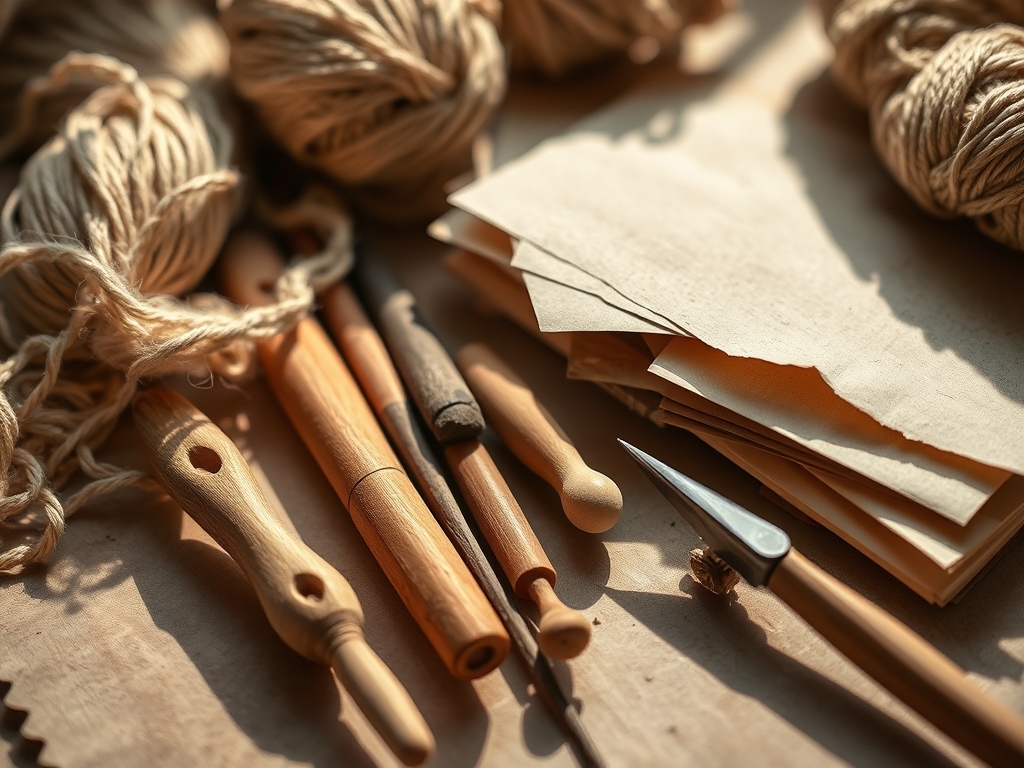
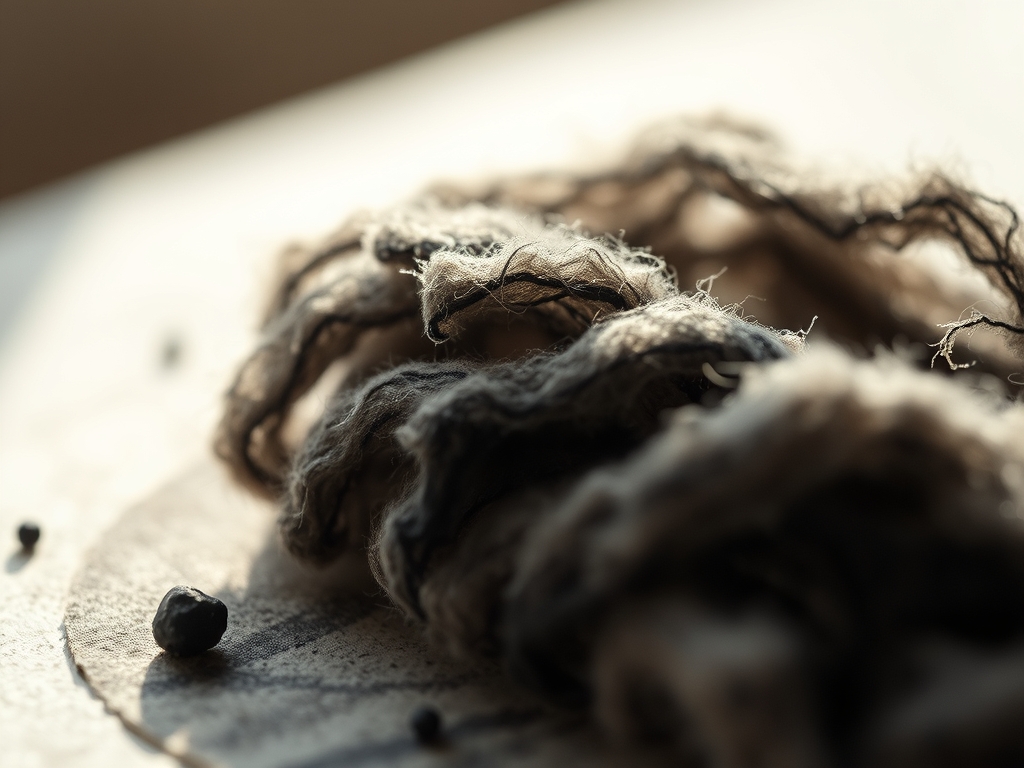
To achieve true fluidity, your kit needs to balance grit with grace. You cannot just use any old burnt stick. We need nitram charcoal, which is prized by professionals for its specific density and lack of internal knots. Unlike cheap craft store charcoal, nitram is graded by hardness, allowing for a predictable tensile strength when you apply heavy pressure for deep shadows. You will also need a chamois cloth for subtractive drawing; this leather tool works by lifting carbon particles out of the paper grain without damaging the delicate fibers. For the foundation, choose a 100 percent cotton rag paper with a medium "tooth" or texture. This porosity is vital because it acts like a microscopic mountain range that catches and holds the charcoal dust.
Material Substitutions: If you cannot find a chamois, a microfiber cloth or even a soft piece of felt will work, though they lack the same oily grip. If nitram is out of reach, high-quality willow sticks are a fine substitute, though they are more prone to snapping under high-torque motions. You might also grab a bone folder from your bookbinding kit. While it is not a traditional drawing tool, it is incredible for burnishing the paper surface to create "resist" areas where the charcoal cannot settle into the grain.
THE TEMPO
The maker's rhythm in fluid charcoal sketching is divided into three distinct phases of velocity. First is the Survey Phase, which takes about ten minutes. This is a low-pressure, high-speed movement where you map out the "bones" of the pose using sweeping, circular motions. Next is the Massing Phase, lasting thirty to forty minutes. This is where the tempo slows down; you are applying more torque and grinding the carbon into the paper to build value. Finally, we hit the Refining Phase, which can take an hour or more. This is the slow, surgical part of the process where you use a kneaded eraser to pluck highlights out of the darkness. The rhythm shifts from a frantic dance to a steady, rhythmic pulse.
THE CORE METHOD
1. The Shoulder Sweep
Start by locking your wrist and elbow. All movement must originate from the glenohumeral joint. This allows for a massive range of motion and prevents the "stiff" look of finger-drawn lines. By using your entire arm, you distribute the force evenly across the charcoal stick, reducing the risk of a structural snap.
Mastery Tip: This technique relies on centripetal force. By pivoting from the shoulder, you create a natural arc that mimics the organic curves of the human body, ensuring your initial lay-in has a mathematical fluidity.
2. The Overhand Grip
Ditch the pencil grip. Hold the charcoal between your thumb and all four fingers, with the stick parallel to the paper. This increases the surface area contact, allowing you to lay down wide swaths of tone in a single stroke. It is about maximizing the friction over a larger gauge of material.
Mastery Tip: Increasing the contact area lowers the pressure per square inch. This prevents you from "scoring" or denting the paper fibers, which is crucial if you plan to erase or move the charcoal later.
3. Subtractive Sculpting
Instead of adding black, start with a mid-tone gray across the entire page and use your chamois to "draw" with light. You are essentially using the cloth as a friction-based vacuum to lift the carbon. This creates a soft, atmospheric quality that mimics the way light wraps around a form.
Mastery Tip: This involves capillary action in reverse. The porous nature of the chamois pulls the loose carbon away from the paper's tooth, leaving the deeper, embedded particles behind to create a ghost-like underpainting.
4. The Tapered Flick
To create hair or sharp edges, use a rapid "flick" motion where the charcoal leaves the paper mid-stroke. This requires a high velocity and a sudden release of pressure. It creates a line that is thick at the start and needle-thin at the end.
Mastery Tip: This is a lesson in kinetic energy dissipation. As you lift the tool, the decreasing friction allows the charcoal to leave a trailing edge of dust that tapers off perfectly, following the laws of momentum.
5. Cross-Contour Carving
Move the charcoal across the form as if you are feeling the three-dimensional volume with your hands. Use varying pressure to emphasize the "near" and "far" parts of the object. This builds a sense of structural integrity in your drawing.
Mastery Tip: Think of this like using a lathe. You are "turning" the flat image into a volumetric one by modulating the density of the carbon deposit, which tricks the eye into perceiving depth.
6. The Smudge and Burnish
Use the side of your hand or a paper stump to press the charcoal deep into the paper. This "sets" the first layer and creates a rich, velvety black that cannot be easily erased. It changes the texture of the paper from rough to smooth.
Mastery Tip: This process is called burnishing. You are physically flattening the paper's raised fibers (the tooth), which traps the carbon and creates a permanent bond between the pigment and the substrate.
7. The Precision Highlight
Take a sharp retractable eraser or a piece of hard plastic and "cut" through the charcoal layers to reveal the white paper underneath. This is the final touch that adds a "pop" of high-contrast energy.
Mastery Tip: This is an exercise in shearing force. You are mechanically stripping away the top layers of carbon to expose the pristine cellulose beneath, creating a focal point with maximum luminosity.
THE TECHNICAL LEDGER
Maintenance & Longevity: Charcoal drawings are notoriously fragile. To prevent "smudging" or degradation, you must apply a fixative spray. Use a workable fixative if you plan to keep drawing, or a final fixative for long-term archival protection. Hold the can at least twelve inches away to avoid "spotting" the paper with wet resin.
Material Variations: For a sustainable approach, look for recycled cotton paper or vine charcoal, which is made from renewable willow branches. For a premium experience, try carbon pencils, which blend the smoothness of graphite with the deep matte finish of charcoal.
The Correction:
- The Ghost Image: If you erase and a dark mark remains, you have crushed the paper fibers. Use a soft bread eraser to gently lift the particles without further abrasion.
- The Muddy Mess: If your drawing looks gray and flat, you lack "value range." Use a sandpaper block to sharpen your charcoal and re-establish your darkest blacks.
- The Snap: If your charcoal keeps breaking, check your grip. You are likely applying lateral force instead of vertical pressure. Keep your fingers closer to the tip of the stick.
Studio Organization: Store your finished pieces in a flat file or a rigid portfolio. Never roll a charcoal drawing; the tension of the curve will cause the carbon particles to flake off the surface. Place a sheet of glassine paper between each drawing to prevent cross-contamination.
THE FINAL REVEAL
Look at that! Your page is no longer just a flat surface; it is a breathing, pulsing window into a three-dimensional world. By mastering these seven motions, you have moved beyond "sketching" and into the realm of visual physics. Your lines have weight, your shadows have depth, and your highlights glow with a crisp, intentional energy. The beauty of fluid charcoal sketching lies in its honesty; every sweep of your arm and every flick of your wrist is recorded in the carbon. It is raw, it is sophisticated, and it is uniquely yours. Now, go wash your hands before you touch the upholstery!
STUDIO QUESTIONS
How do I stop charcoal from smearing while I work?
Work from the top-left to the bottom-right (if right-handed) to avoid resting your hand on finished areas. You can also use a mahl stick to steady your hand without touching the paper surface directly.
What is the best paper for charcoal?
A heavy-weight, acid-free paper with a noticeable tooth is best. Look for "Ingres" or "Canson Mi-Teintes" paper. These surfaces have the structural integrity to handle heavy erasing and multiple layers of carbon.
Can I mix charcoal with graphite?
It is generally discouraged because graphite is "greasy" and charcoal is "matte." Charcoal will not stick well to the shiny surface of graphite. However, you can use charcoal over graphite for specific mixed-media textures.
How do I sharpen charcoal without it breaking?
Avoid traditional sharpeners. Use a utility knife or a razor blade to shave the wood or charcoal away, then refine the point by rubbing it against a sandpaper sharpening block for a needle-sharp finish.