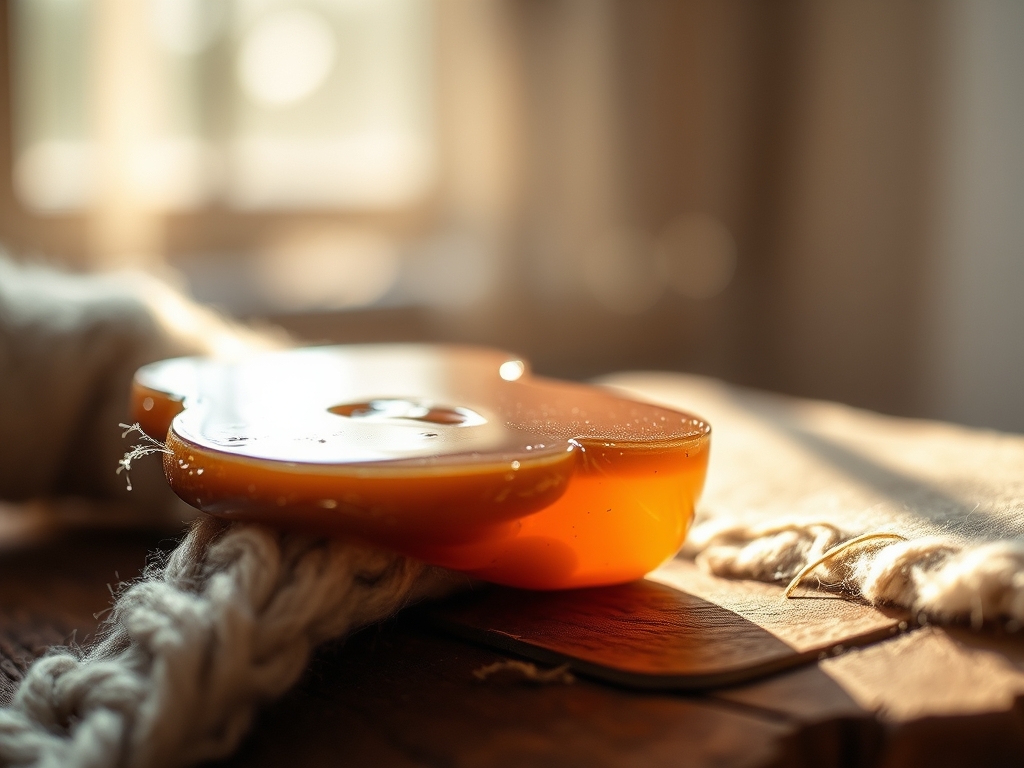
Imagine the scent of a sterile lab meeting the electric hum of a high end studio. You are standing over a pristine silicone mat; your fingers are itching to bridge the gap between liquid chaos and solid perfection. Fluid Resin Casting is not just a craft; it is a high stakes dance with exothermic reactions and chemical bonds that decide whether your jewelry set becomes a masterpiece or a sticky disaster. You feel the weight of the mixing cup; it is light but carries the potential for infinite clarity. As you stir; the viscosity changes under your hand; shifting from a syrupy drag to a slick; effortless glide. This is the moment where physics meets fashion. We are chasing that elusive; glass like finish that makes people ask if the piece is actually frozen water. To get there; we have to master the molecular behavior of polymers. It is about understanding how air molecules get trapped in the cross linking process and learning exactly how to evict them before the "gel phase" locks them in place forever. Grab your apron; bestie; because we are about to turn your workspace into a precision laboratory of style.
THE STUDIO KIT
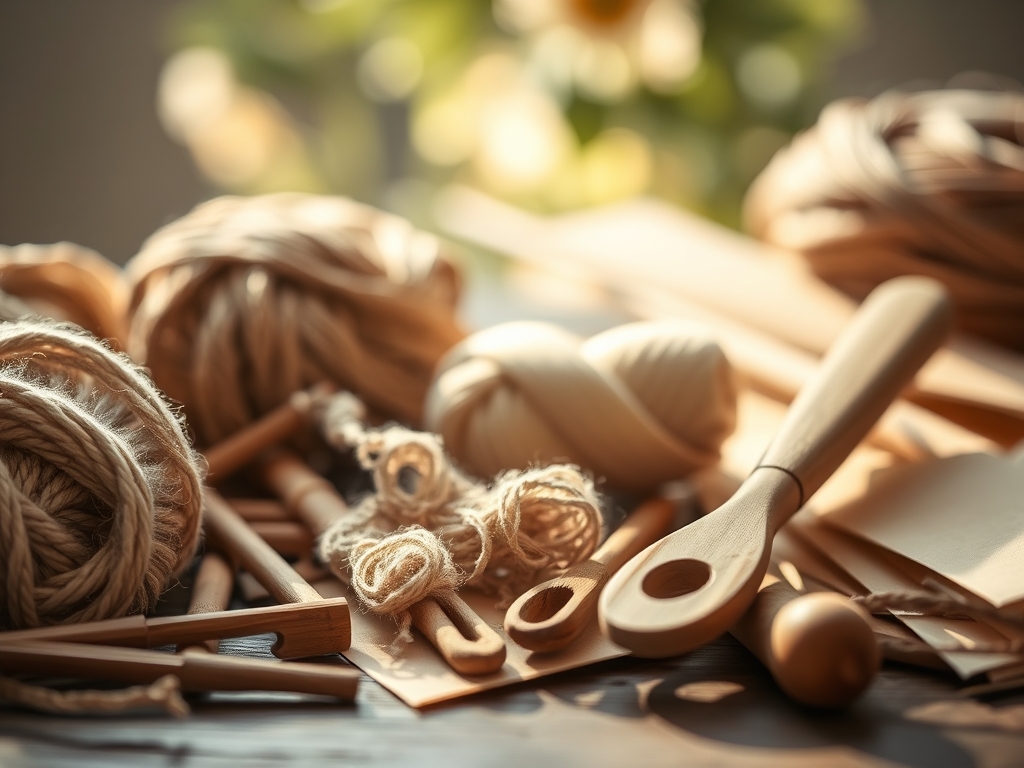
To achieve professional results; you need a kit that respects the tensile strength and refractive index of your medium. Start with a high quality two part epoxy system; specifically one formulated for a low viscosity to allow bubbles to rise naturally. You will need a digital gram scale for precision; because measuring by volume is for amateurs; and a 1 percent deviation can ruin your cure. Grab a set of silicone stir sticks to minimize the introduction of air; unlike wooden sticks which are porous and release tiny oxygen pockets into your mix.
For the jewelry elements; a jeweler's saw and a set of calipers are essential for ensuring your bezels are perfectly symmetrical. You should also have a heat gun or a butane torch on standby to pop surface bubbles via thermal expansion. If you are looking for Material Substitutions; you can swap expensive alcohol inks for high load mica powders or even dry pigments; provided they are moisture free. Never use water based dyes; as the moisture interferes with the chemical "snap" of the resin. For finishing; a rotary tool with various grit sanding drums and a polishing compound will take your pieces from "handmade" to "high end boutique."
THE TEMPO
The "Maker's Rhythm" is dictated entirely by the pot life of your resin. Most jewelry grade epoxies give you a 20 to 45 minute window of workability. This is your "Tempo." You spend the first 5 minutes in a slow; rhythmic stir to avoid aeration. The next 10 minutes are dedicated to the "rest period" where the mixture degasses. The final 15 minutes are a sprint of precision pouring.
Once poured; the cure cycle takes over. You are looking at a 24 hour initial cure to reach a "hard to the touch" state; but the full molecular cross-linking usually takes 72 hours. Do not rush the demolding process. If you pull a piece too early; you risk permanent deformation because the structural integrity has not yet peaked. Respect the clock; and the clock will respect your clarity.
THE CORE METHOD
1. The Precision Mix
Start by weighing your resin and hardener to the exact gram. Use a slow; circular motion with your silicone tool; scraping the sides and bottom of the vessel constantly.
Mastery Tip: This is all about fluid dynamics. By keeping your stir tool submerged; you prevent the creation of a vortex that sucks air into the mixture. If you see white streaks; the two parts haven't fully bonded at a molecular level.
2. The Vacuum Phase
If you have a vacuum chamber; use it now. If not; let your mixed resin sit for five minutes. This allows the buoyancy of the air bubbles to overcome the viscosity of the liquid.
Mastery Tip: This relies on Stoke's Law; which explains how particles move through a fluid. Increasing the temperature of the resin slightly (via a warm water bath for the bottles before mixing) lowers the viscosity; allowing bubbles to rise faster.
3. The Thin Pour
When filling your molds; pour the resin in a very thin; high stream. This is known as a "long pour."
Mastery Tip: As the resin falls in a thin ribbon; the surface tension is stretched so thin that any internal bubbles are physically crushed or forced to the surface before they even hit the mold.
4. The Capillary Coat
Before a full pour; use a fine awl or a toothpick to coat the corners and intricate details of your mold with a tiny bit of resin.
Mastery Tip: This overcomes capillary action issues where the resin might "bridge" over a gap instead of filling it. Pre coating ensures the liquid reaches every microscopic crevice of the mold.
5. The Thermal Pop
Once the mold is filled; pass a butane torch quickly over the surface. Do not linger; or you will scorch the resin or bond it to the silicone.
Mastery Tip: This uses thermal expansion. The heat causes the air inside the surface bubbles to expand rapidly; rupturing the thin film of resin holding them in place.
6. The Leveling Act
Ensure your curing station is perfectly level using a spirit level. Even a one degree tilt will result in uneven jewelry pieces that sit awkwardly on the skin.
Mastery Tip: Resin is self leveling; meaning it will always seek the lowest point. If your table is slanted; the meniscus will be lopsided; ruining the ergonomic fit of a ring or pendant.
7. The Dust Shield
Cover your curing molds with a clean; inverted plastic bin. This prevents "floaties" from ruining your surface.
Mastery Tip: Static electricity often attracts airborne particulates to the resin surface. By creating a micro environment; you protect the surface energy of the curing plastic from contamination.
THE TECHNICAL LEDGER
Maintenance & Longevity: To keep your jewelry sets looking pristine; avoid UV exposure which can cause "ambering" or yellowing over time. Clean your pieces with a soft microfiber cloth and avoid harsh chemicals that can degrade the polymer chains.
Material Variations:
- Sustainable: Look for "Bio Resins" which replace petroleum bases with plant based carbons.
- Premium: Use "Deep Pour" resins for thicker jewelry pieces to prevent exothermic runaway (overheating).
The Correction:
- Sticky Surface: This is usually an improper mix ratio. Fix it by sanding back the goo and pouring a fresh; correctly measured "top coat."
- Cloudiness: Often caused by high humidity. Use a dehumidifier in your studio to keep levels below 50 percent.
- Flash Cure: If the resin gets hot and hardens in the cup; you waited too long or mixed too much volume at once. Work in smaller batches to manage the thermal mass.
Studio Organization: Store your resin bottles in a cool; dark cabinet. Never store them on the floor; as temperature fluctuations can cause the resin to crystallize. Keep your molds flat in a dust free drawer to prevent warping.
THE FINAL REVEAL
Look at that glow! When you pull your pieces from the mold; they should have the tactile smoothness of polished stone and the clarity of a diamond. The way the light interacts with the internal pigments—thanks to your perfect refractive index management—is nothing short of magical. You have successfully navigated the physics of Fluid Resin Casting to create a jewelry set that is as durable as it is beautiful. These pieces aren't just accessories; they are tiny monuments to your technical precision and creative flair.
STUDIO QUESTIONS
Why is my resin still bendy after 24 hours?
The cure cycle is likely incomplete due to low ambient temperatures or an inaccurate mix ratio. Ensure your studio is at least 72 degrees Fahrenheit to facilitate proper molecular cross-linking and wait another 48 hours for full hardness.
Can I use a hair dryer instead of a torch?
A hair dryer is generally ineffective because it blows too much air; which can push dust into your resin or create ripples. A torch provides targeted infrared heat that pops bubbles without disturbing the fluid surface.
How do I get a matte finish instead of glossy?
The finish is determined by the internal surface of your mold. To change a glossy piece to matte; use a burnishing tool or high grit sandpaper (1000 to 3000 grit) to lightly abrade the surface for a soft glow.
What is the best way to clean my mixing tools?
Wipe your silicone tools with a paper towel and 91 percent isopropyl alcohol while the resin is still liquid. For dried resin; simply flex the tool; and the cured plastic will pop off due to low interfacial tension.