The needle pierces the cotton with a crisp, audible pop that vibrates through the bone of your thumb. It is a tactile conversation between steel and fiber. When you engage in Rhythmic Hand Quilting, you are not just sewing; you are managing the structural integrity of a three layer textile sandwich through consistent tension and velocity. The resistance of the batting provides a springy feedback loop that tells your brain exactly when to pivot the needle. We are looking for that sweet spot where the muscle memory takes over and the stitches begin to march across the fabric like tiny, disciplined soldiers. This is about the physics of the lever. Your thimble acts as the fulcrum while the needle tip serves as the point of resistance. By mastering this mechanical advantage, you transform a flat plane of fabric into a dimensional heirloom with incredible tensile strength. Grab your favorite mug of tea because we are about to dive deep into the micro-mechanics of the perfect stitch.
THE STUDIO KIT
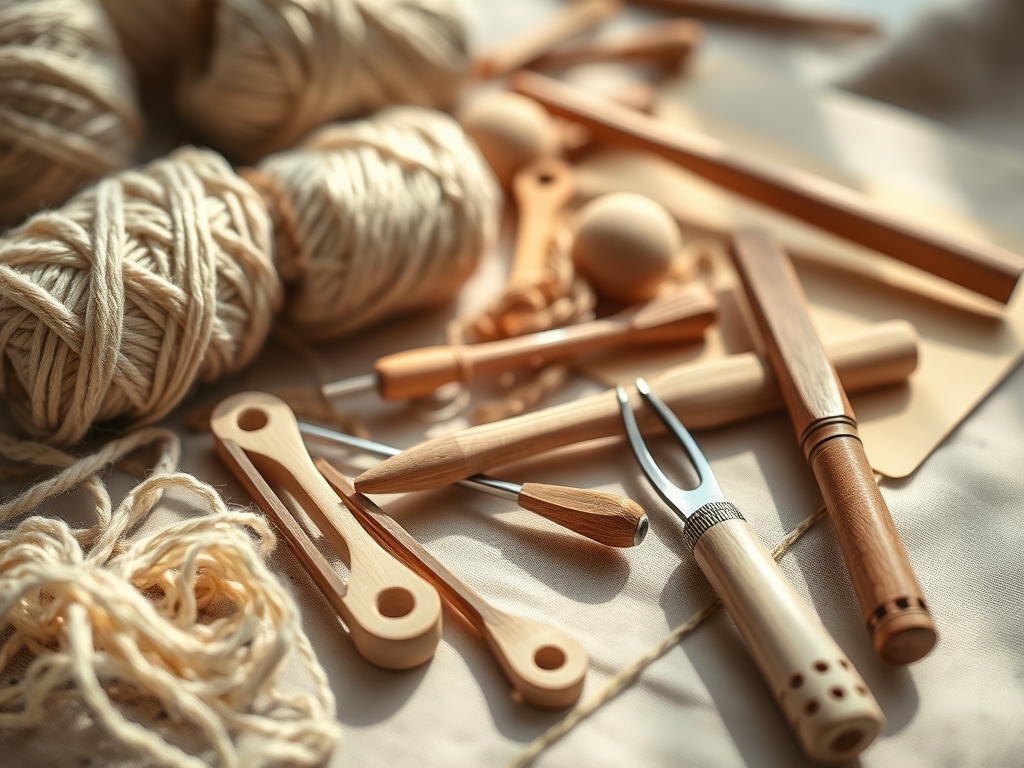
To achieve professional results, you need tools that respect the grain direction of your textile. Your primary instrument is a between needle, usually a size 10 or 12. These are shorter than standard sharps, allowing for quicker oscillations and tighter radii when navigating curves. You will also need a metal thimble with deep dimples to prevent the needle butt from slipping under pressure. For the thread, select a 100 percent mercerized cotton in a 40 or 50 weight. The mercerization process involves treating the fiber with sodium hydroxide to increase luster and reduce the porosity, which prevents the thread from fraying as it passes through the batting.
If you cannot find specialized quilting thread, you can perform a Material Substitution by using high quality all purpose polyester thread coated in beeswax. Running the strand through a wax puck increases the coefficient of friction, helping the thread grip the fabric fibers and preventing the "knotting" caused by static electricity. For marking your grid, use a silver marking pencil or a heratarker. The latter is a traditional Japanese tool that creates a physical crease in the fabric without using ink, preserving the chemical purity of your heirloom piece.
THE TEMPO
The Maker's Rhythm is a state of flow where the time per stitch becomes a constant. For a standard lap quilt, expect to spend approximately 10 to 15 hours on the marking and basting phase. This is where you establish the geometric foundation. The actual quilting process is the marathon. A master quilter typically averages 8 to 12 stitches per inch, maintaining a velocity of about 20 to 30 stitches per minute.
Do not rush the loading phase. Mounting your quilt into a hoop or frame requires careful tensioning to ensure the fabric does not distort along the bias. If you over tighten, you risk "popping" the fibers; if it is too loose, your stitches will sag. Allocate at least 40 hours for the stitching of a medium sized throw. This time is an investment in the structural longevity of the piece, as hand quilting provides a flexible bond that outlasts the rigid, high speed friction of machine stitching.
THE CORE METHOD
1. The Running Stitch
The foundation of all Rhythmic Hand Quilting is the running stitch. You load multiple stitches onto the needle before pulling the thread through. This maintains a consistent linear tension across the seam.
Mastery Tip: Utilize the "rocking motion" by using your under finger as a sensor. The moment you feel the needle point touch your skin, pivot the needle upward. This uses tactile feedback to ensure the needle has penetrated all three layers.
2. The Backstitch for Anchoring
To secure your thread without bulky knots, use a micro backstitch. This involves taking a tiny stitch backward over your last exit point.
Mastery Tip: This creates a mechanical lock within the batting layer. The friction of the fibers against the thread prevents the line from unraveling even if the surface thread is eventually abraded.
3. The Feather Stitch
This decorative stitch branches out from a central spine, creating a wide distribution of stress. It is perfect for stabilizing large areas of open space.
Mastery Tip: The alternating angles of the feather stitch utilize triangulation to prevent the batting from shifting or "bearding" through the quilt top.
4. The Rocking Seed Stitch
Small, isolated stitches placed in a random pattern. This is excellent for "filling" a background to make the main motif pop.
Mastery Tip: By varying the density of seed stitches, you control the loft of the batting. Denser areas will compress, creating a shadow effect that enhances the 3D topography of the quilt.
5. The Echo Stitch
Stitching parallel lines around a specific shape, usually spaced a quarter inch apart.
Mastery Tip: Use a caliper or a seam gauge to ensure the distance remains constant. Consistent spacing ensures that the compressive force is even across the fabric, preventing ripples.
6. The Chain Stitch
A series of looped stitches that create a bold, textured line. It adds significant mass to the design.
Mastery Tip: The interlocking loops increase the tensile strength of the thread line. This stitch is ideal for edges that will see high tactile interaction, like the top border of a quilt.
7. The Blind Applique Stitch
Used to join a decorative element to the top layer without the thread showing.
Mastery Tip: Angle your needle at a 45 degree pitch into the fold of the fabric. This hides the thread within the interstitial space of the seam, relying on the fold's tension to keep the piece secure.
8. The Cross Hatch
A grid of intersecting diagonal lines. This is the gold standard for stabilizing an heirloom piece.
Mastery Tip: Always stitch the parallel lines in the same direction to avoid torque. If you switch directions mid grid, the fabric will twist, leading to permanent diagonal wrinkles.
9. The Whipstitch Binding
The final closure of the quilt edges. It wraps around the raw edge to seal the internal layers.
Mastery Tip: Ensure your stitches are spaced at a gauge that matches the density of the internal quilting. This creates a uniform "shrink rate" when the quilt is eventually laundered.
THE TECHNICAL LEDGER
To maintain the integrity of your heirloom, you must understand the chemistry of storage. Never store a quilt in a plastic bin; the "off gassing" of the plastic can accelerate the degradation of cotton fibers. Use acid free tissue paper and store the piece in a cotton muslin bag to allow for airflow.
Material Variations: For a sustainable approach, use bamboo batting. It has naturally antimicrobial properties and a higher wicking capability than polyester. For a premium finish, silk thread offers the highest strength to weight ratio and glides through the fabric with minimal friction.
The Correction:
- Puckering: This is caused by excessive thread tension. Fix it by "massaging" the fabric away from the stitch line to redistribute the slack.
- Bearding: When batting fibers poke through the top. This usually happens if you use a dull needle. Switch to a fresh tapered needle every 4 hours of active sewing.
- Uneven Stitches: This is a rhythm issue. Use a metronome set to 60 BPM to train your hands to move in sync with your breathing.
THE FINAL REVEAL
When you pull the final thread through and snap it clean, the transformation is breathtaking. The flat fabric has become a sculptural object with a complex topography. Those 9 classic stitches have created a network of support that will allow the piece to survive for centuries. The weight of the quilt is comforting; it is a physical manifestation of thousands of micro-decisions and a perfectly maintained Rhythmic Hand Quilting tempo. Your heirloom is now ready to be used, loved, and passed down as a masterclass in textile engineering.
STUDIO QUESTIONS
What is the best needle for hand quilting?
A size 10 or 12 between needle is ideal. Its short length and narrow gauge allow for precise control and high speed oscillations through multiple thick layers without causing significant hand fatigue or fabric displacement.
How do I prevent my thread from tangling?
Use beeswax or a synthetic thread conditioner to coat the strand. This reduces the static coefficient and smooths the thread's surface, preventing the fibers from catching on themselves as you pull through the textile layers.
Why are my stitches uneven on the back?
This usually indicates a lack of perpendicular penetration. Ensure your needle enters the fabric at a 90 degree angle. If the needle is slanted, the exit point on the bottom layer will drift, creating inconsistent stitch lengths.
Can I use a regular embroidery hoop?
While possible, a dedicated quilting hoop with a heavy duty tension bolt is preferred. Quilting hoops are designed to handle the compressive bulk of the batting without slipping, which is essential for maintaining a consistent rhythmic tempo.