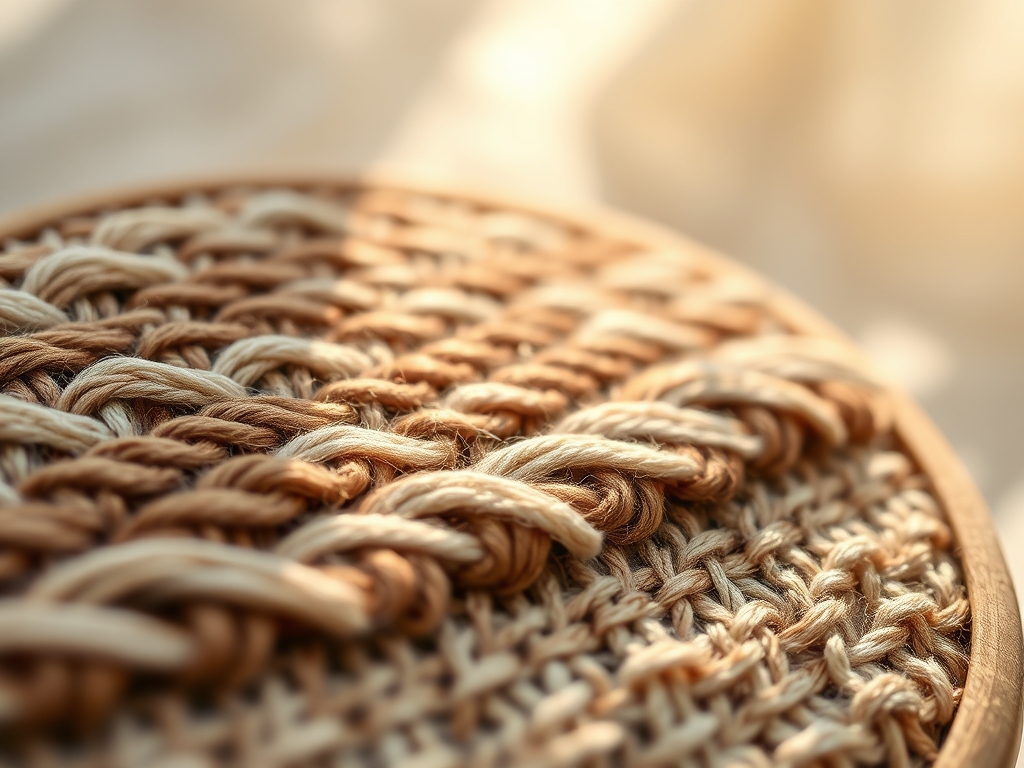
Grab your shears and clear the workbench because we are about to dive into the high energy world of Rhythmic Needlepoint Art. Imagine the sensation of a heavy, double thread mono canvas sliding under your fingertips; it has that crisp, starchy resistance that promises structural integrity before you even make your first mark. This is not your grandmother's dusty floral hobby. We are talking about a mathematical dance of tension and texture where every single pull of the needle contributes to a larger, pulsating visual frequency. When we talk about Rhythmic Needlepoint Art, we are referring to the intentional repetition of geometric stitches that create a sense of movement across a flat surface. The tactile feedback of the wool hitting the canvas creates a literal vibration in your hand. It is addictive; it is precise; and it is the ultimate way to turn raw fiber into a high end interior masterpiece. We are focusing on the physics of the "pull" to ensure your pillow covers never sag or lose their crisp, geometric edge.
THE STUDIO KIT
THE STUDIO KIT
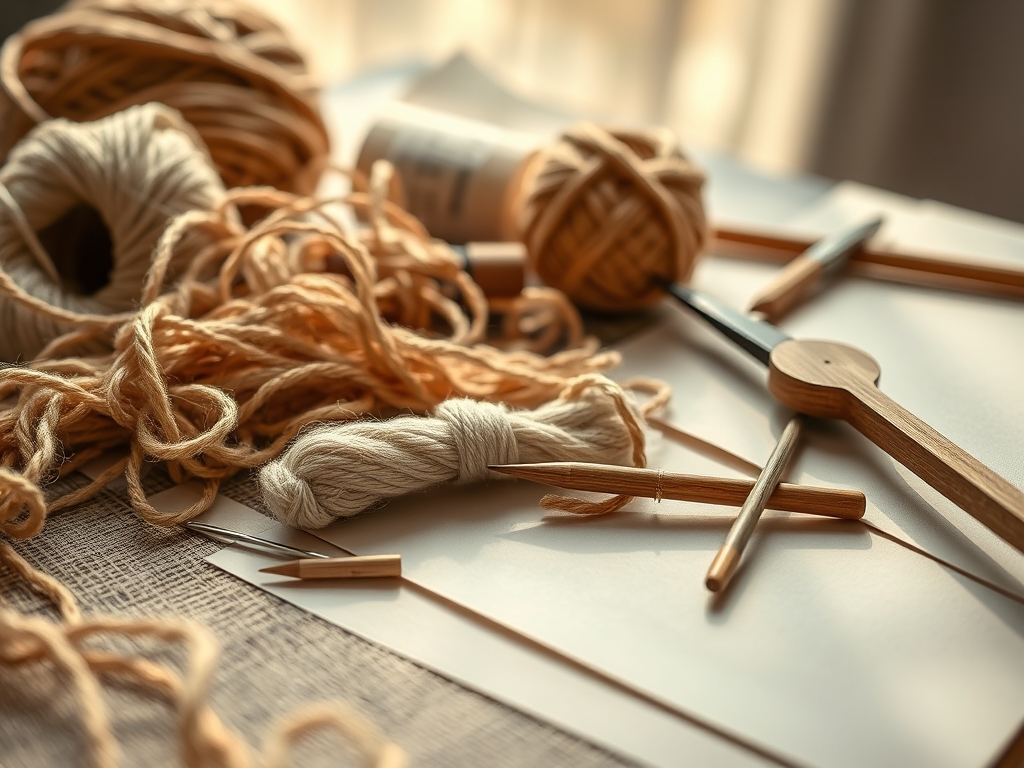
To execute this project with professional precision, you need a kit that respects the tensile strength of your fibers. Start with a 13-mesh or 18-mesh mono canvas; this provides the rigid grid necessary for maintaining stitch alignment. You will need a pair of high carbon steel embroidery scissors for clean, mechanical snips that prevent fraying at the tips. For the threads, we are looking at 9 vibrant varieties: tapestry wool for bulk, silk perle for sheen, and metallic braids for that high contrast pop.
You must also have a set of stainless steel tapestry needles (size 20 to 24) to match your canvas gauge. A rotary cutter and a self healing mat are essential for squaring your canvas edges before you begin. If you find your canvas is too stiff, a bone folder can be used to burnish the edges of your tape binding.
Material Substitutions: If you cannot source 100 percent wool, a wool acrylic blend offers similar elasticity but with increased durability against friction. Instead of a traditional floor frame, you can use a lightweight PVC snap frame to maintain drum tight tension without the bulk of heavy timber.
THE TEMPO
The "Maker's Rhythm" is not just a catchy phrase; it is a physiological state where your hand speed matches the capillary action of the thread passing through the mesh.
- The Preparation Phase (1-2 Hours): This involves taping the edges, mounting the canvas, and sorting your 9 threads by weight and sheen.
- The Foundation Phase (10-15 Hours): Here you establish the primary geometric "beat" of the piece. This is the slowest part as you calibrate your tension.
- The Flow State (20+ Hours): This is where the rhythmic aspect takes over. Once the pattern is set, your muscle memory handles the repetition.
- The Finishing Phase (3-5 Hours): Blocking the canvas to restore its square shape and sewing the final pillow cover.
THE CORE METHOD
1. Calibrating Canvas Tension
Before a single stitch is placed, your canvas must be taut. Use your frame to stretch the material until it rings like a drum when tapped. This prevents the canvas from warping under the cumulative weight of the thread.
Mastery Tip: This relies on structural equilibrium. If the canvas is loose, your stitches will pull the mesh threads out of their 90 degree alignment, resulting in a skewed final image that no amount of blocking can fix.
2. The Anchor Manuever
Avoid knots at all costs. Instead, use a "waste knot" or "away knot" placed two inches from your starting point. As you stitch toward the knot, you bury the tail on the underside of the canvas.
Mastery Tip: This technique utilizes friction coefficients. By weaving the tail under subsequent stitches, the surface area contact creates enough grip to prevent the thread from ever pulling through, even under the stress of a stuffed pillow.
3. Executing the Rhythmic Continental Stitch
The Continental stitch is the backbone of needlepoint. Move diagonally across the intersection of the canvas mesh, ensuring your needle always enters and exits at a consistent angle.
Mastery Tip: Focus on uniform torque. If you pull one stitch tighter than the next, you change the light reflection of the fiber. Consistency in your pull ensures the "vibrant" quality of the 9 threads remains cohesive across the entire surface.
4. Layering for Dimensional Depth
To achieve the "rhythmic" look, layer different thread weights. Use a heavy 4-ply wool for the foreground and a fine silk for the background. This creates a physical topography on the canvas.
Mastery Tip: This is about optical density. Thicker threads occupy more volume and cast tiny shadows, while thinner threads allow the canvas to breathe, creating a 3D effect that mimics architectural relief.
5. The Blocking Transformation
Once the stitching is complete, the canvas will likely be slightly distorted. Dampen the piece with distilled water and pin it to a blocking board, stretching it back into a perfect square.
Mastery Tip: This process exploits hygroscopy. The fibers absorb moisture, allowing the molecular bonds to relax. As the water evaporates while the piece is pinned, the fibers "reset" in the new, corrected position.
THE TECHNICAL LEDGER
Maintenance & Longevity: To keep your Rhythmic Needlepoint Art pristine, avoid direct sunlight which breaks down the chemical bonds in textile dyes. Vacuum the surface lightly with a soft brush attachment to remove dust without snagging the fibers.
Material Variations: For a sustainable approach, use recycled sari silk or organic hemp threads. These offer a "slubby" texture that adds an earthy, organic counterpoint to the rigid geometry of the rhythmic patterns.
The Correction:
- The Sag: If your stitches look loose, use a stiletto tool to gently redistribute the slack into the neighboring three stitches.
- The Ghosting: If the white canvas shows through dark thread, "over-stitch" the area with a thinner ply of the same color to increase coverage.
- The Snag: If a thread breaks, do not knot it. Unpick back to a stable section and re-anchor a new thread using the friction method.
Studio Organization: Store your canvas rolled around a heavy duty cardboard tube, never folded. Folds create permanent "crease memory" in the mesh that can snap the fibers over time. Keep your 9 threads in airtight poly bags to prevent moisture absorption and fiber degradation.
THE FINAL REVEAL
Look at that! You have successfully navigated the physics of fiber to create a piece of Rhythmic Needlepoint Art that is as structurally sound as it is visually stunning. The way those 9 vibrant threads play off each other creates a shimmering, tactile frequency that transforms a simple pillow cover into a gallery worthy object. You have mastered the tension, respected the material limits, and found your own maker's rhythm. Run your hand over the surface; feel that dense, luxurious "crunch" of perfectly placed stitches. You didn't just make a craft; you engineered a masterpiece.
STUDIO QUESTIONS
What is the best way to prevent canvas distortion?
Maintain high tension using a scroll frame or stretcher bars. This ensures the mesh stays at a perfect 90 degree angle, preventing the "slanted" look that occurs when stitching on a handheld, loose canvas.
Can I mix different thread types in one project?
Yes, mixing wool, silk, and metallics enhances the rhythmic effect. Just ensure you adjust your needle size to the thickest thread to prevent "boring" or stretching the holes in the canvas mesh.
How do I fix a mistake five rows back?
Do not cut it out. Carefully "un-stitch" using the eye of your needle to lift the threads. This preserves the integrity of the canvas and prevents accidental nicks to the surrounding vibrant threads.
Why is my thread fraying at the needle eye?
This is caused by friction. Cut shorter lengths of thread (about 18 inches) to minimize the number of times the fiber passes through the abrasive canvas mesh, preserving the thread's tensile strength and luster.