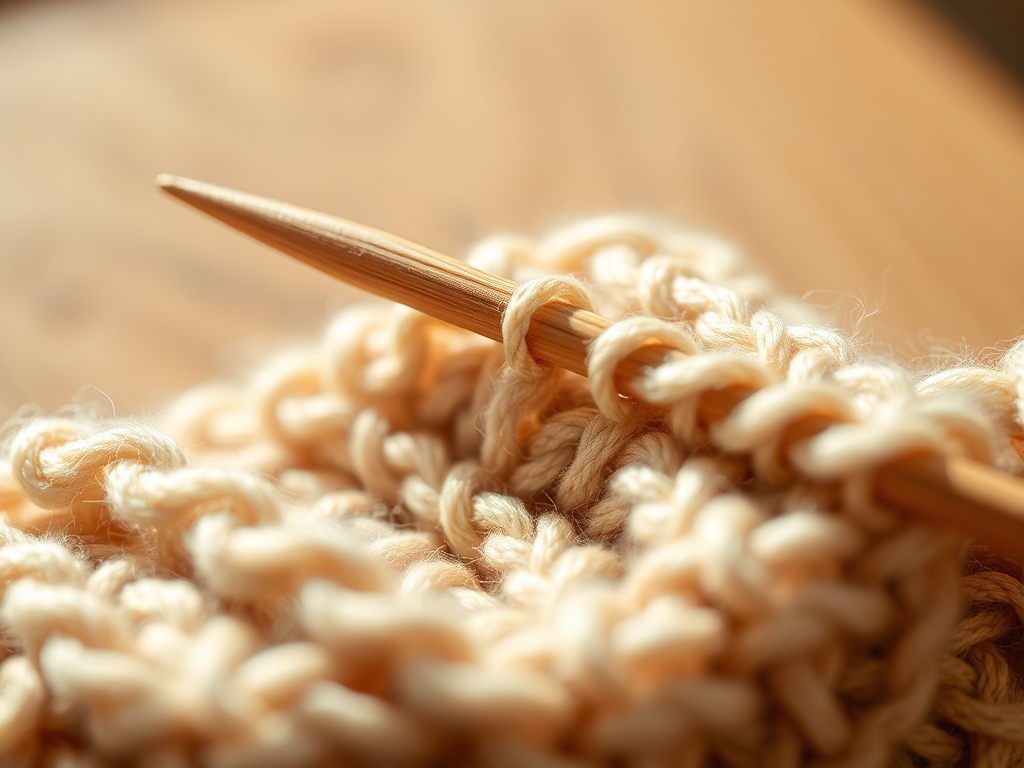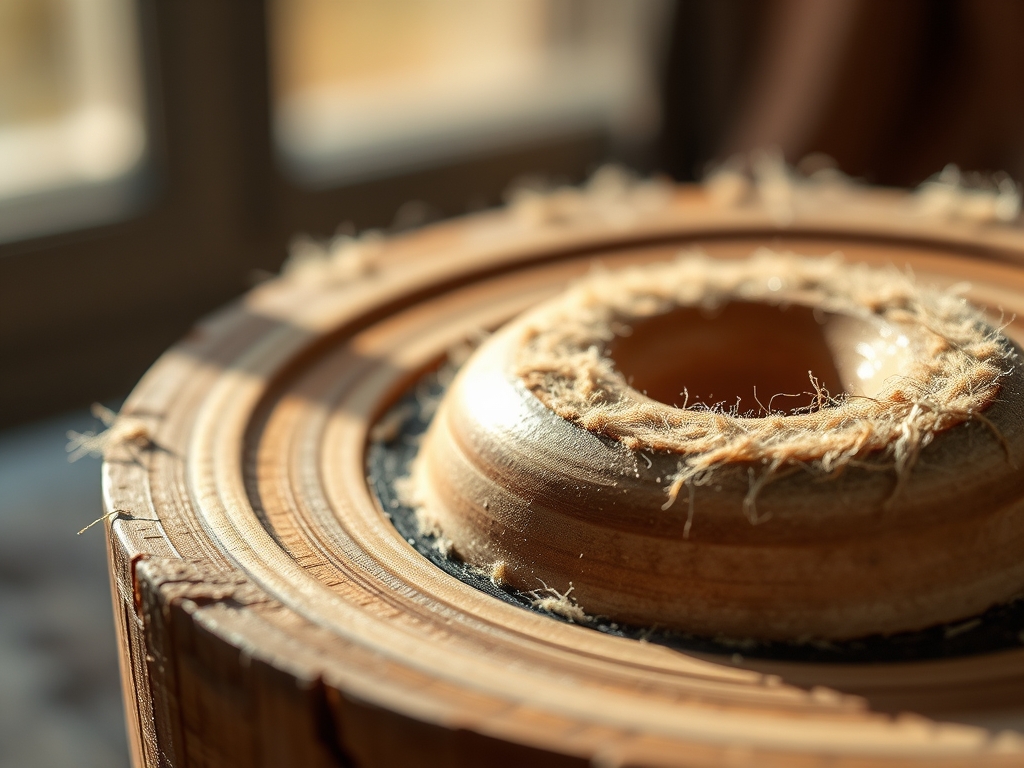
The scent of freshly sheared cedar and the cool, heavy drag of a steel blade against a dense grain are the only things that matter right now. Your fingers find the groove, sensing the resistance of the fibers before the cut even begins. This is the magic of Flow State Crafting; it is that precise moment where the boundary between your nervous system and the raw material simply vanishes. When you achieve this level of immersion, your brain waves shift from high-frequency beta into the rhythmic, creative alpha-theta border. You are no longer just making a thing. You are participating in a physical dialogue with the molecular structure of your medium. Whether you are feeling the high tensile strength of a waxed linen thread or the buttery yield of vegetable-tanned leather, the tactile feedback loop is your primary guide. It is about the friction, the temperature, and the specific gravity of the objects in your hands. Let us dive into the workshop and calibrate your environment for total creative transcendence.
THE STUDIO KIT
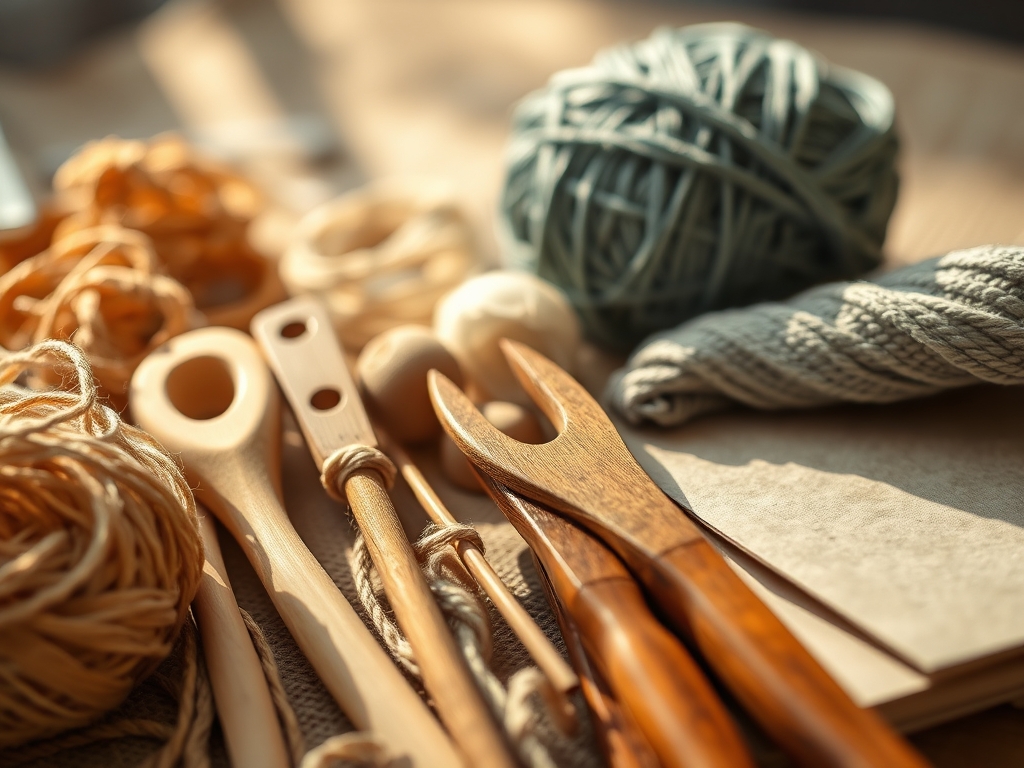
To master Flow State Crafting, your kit must be an extension of your anatomy. We start with a high-carbon steel Japanese kiridashi for precision marking; its single-bevel edge allows for a flush cut that a standard utility knife cannot replicate. You will need a set of digital calipers to measure thickness down to the hundredth of a millimeter, ensuring that your joinery remains structurally sound under pressure. For smoothing and shaping, keep a genuine bone folder and a variety of sandpaper grits ranging from 120 to 1000.
The primary material for this session is Grade-A full-grain leather or a high-density hardwood like walnut. These materials possess a predictable cellular structure that responds beautifully to hand tools. If you are looking for Material Substitutions, you can swap the leather for a heavyweight waxed canvas (at least 15 ounces) or replace the walnut with reclaimed teak. Just remember that different materials have different porosity levels, which will affect how they absorb oils, dyes, or adhesives. A denser material requires more torque but offers superior longevity and a more satisfying "thunk" when finished.
THE TEMPO
The Maker's Rhythm is not about speed; it is about the synchronization of your breath with the mechanical action of your tools. We divide this process into three distinct phases to protect the integrity of the material. The Preparation Phase takes approximately forty minutes and involves truing your edges and checking the moisture content of your substrate. The Execution Phase is the longest, spanning three to four hours of deep focus where the actual assembly happens. Finally, the Curing Phase requires twenty-four hours of stillness, allowing chemical bonds in glues or finishes to reach peak cross-linking density. By respecting these timeframes, you avoid the internal friction of rushing, which is the ultimate killer of the flow state.
THE CORE METHOD
1. Calibrating the Surface
Before the first cut, you must prepare the material by checking the grain direction. In wood, this prevents tear-out; in leather, it ensures the piece does not stretch out of shape over time. Use your fingertips to feel the "nap" or the resistance of the fibers.
Mastery Tip: This involves understanding tensile strength. When you cut with the grain, you are working with the natural structural alignment of the fibers, which minimizes the energy required for the tool to pass through the material.
2. The Precision Score
Use your kiridashi or a fine-point awl to create a "path of least resistance." This shallow groove acts as a guide for your heavier tools, preventing the blade from wandering across the surface.
Mastery Tip: This step utilizes capillary action if you are applying a liquid dye or edge finish later. The scored line creates a microscopic valley that pulls the liquid forward via surface tension, keeping your lines crisp and professional.
3. Mechanical Fastening
Whether you are using a saddle stitch or a dovetail joint, the fit must be exact. Use your calipers to verify that your male and female components have a clearance of no more than 0.05 millimeters.
Mastery Tip: Achieving a "friction fit" relies on the elasticity of the material. A perfect joint uses the natural compression of the fibers to lock the pieces together, creating a bond that is often stronger than the material itself.
4. The Burnish and Buff
Once the structure is sound, you must seal the edges. Use a wooden slicker or a high-speed oscillating tool with a felt bit to generate heat through friction. This heat melts the natural waxes or fibers together into a glassy, protective barrier.
Mastery Tip: This is a lesson in thermodynamics. The heat generated by the friction temporarily softens the lignin or collagen fibers, allowing them to be reshaped and compressed into a high-density, waterproof edge.
5. Surface Saturation
Apply a natural oil or wax finish using a lint-free cloth. Work in circular motions to ensure even distribution across the entire surface area.
Mastery Tip: Observe the absorption rate. Porous materials will "drink" the finish until the internal cells are saturated. This prevents future oxidation and ensures the piece develops a rich patina rather than cracking over time.
6. The Final Alignment
Perform a final check of all angles using a precision square. If any component has shifted during the curing process, minor adjustments can be made while the adhesives are still in their secondary bonding stage.
Mastery Tip: This ensures structural integrity. Even a minor misalignment of one degree can create a leverage point that leads to mechanical failure under stress. Precision at this stage guarantees a lifetime of use.
THE TECHNICAL LEDGER
To ensure the longevity of your work, maintain your steel tools by wiping them with camellia oil after every session to prevent oxidation. Store your finished pieces in a temperature-controlled environment with a relative humidity of 45 percent.
Material Variations:
- Sustainable: Use cork fabric or FSC-certified bamboo; both offer unique tactile feedback but require sharper blades due to their high silica content.
- Premium: Shell cordovan or ebony wood provide the highest density and a mirror-like finish but are unforgiving of mistakes.
The Correction:
- The Over-Cut: If you slip with the knife, use a mixture of fine sawdust and resin to create a structural "putty" that matches the grain.
- The Gap: If a joint is too loose, insert a thin "shim" of the same material to restore the friction fit.
- The Burn: If your oscillating tool leaves a dark mark, decrease the RPM and use a finer grit to lift the scorched fibers without removing too much mass.
Studio Organization: Store your raw materials flat and away from direct UV light. Use vertical racks for lumber to prevent warping and breathable cotton bags for leather hides to avoid moisture buildup.
THE FINAL REVEAL
Look at that! The way the light catches the burnished edge and the perfect, heavy drape of the finished piece is absolutely intoxicating. You have successfully navigated the physics of your materials, turning a raw substrate into a functional masterpiece. Your studio is now a sanctuary of high-level engineering and artistic expression. The weight of the tool in your hand and the scent of the finish in the air are the hallmarks of a job well done. You didn't just make an object; you mastered the flow.
STUDIO QUESTIONS
How do I find my flow state faster?
Eliminate micro-distractions by pre-setting your workstation. Ensure every tool, from your rotary cutter to your bone folder, is within an ergonomic reach. This reduces the cognitive load required to search for equipment, allowing your brain to stay in the zone.
What is the best way to fix a dull blade?
Use a dual-grit whetstone. Start on the 1000-grit side to reset the bevel angle, then move to 6000-grit for a polished, razor edge. A sharp tool is essential for Flow State Crafting because it reduces physical strain and increases precision.
Why does my leather keep stretching?
You are likely cutting against the "spine" of the hide. Leather has a directional grain just like wood. Always align your high-stress patterns parallel to the animal's spine to utilize the highest tensile strength and prevent unwanted deformation over time.
Can I achieve flow with synthetic materials?
Yes, but the feedback is different. Synthetics like acrylic or nylon have a consistent molecular density, meaning they respond predictably to heat and pressure. The key is adjusting your speed to prevent melting while maintaining the rhythmic motion of the craft.