Grab your bone folder and clear the workbench because we are about to dive into the intoxicating world of structural paper craft. There is a specific, crisp snap that occurs when you break the surface tension of a heavy cardstock sheet just right. We are not just folding; we are engineering. To achieve those razor-sharp architectural peaks, you must master the art of Repetitive Paper Scoring. This technique involves using a dull blade or a specialized stylus to compress the cellulose fibers without severing them. When you repeat these scores at precise intervals, the paper loses its floppy, organic nature and transforms into a rigid, load-bearing beam. You can feel the resistance change as the grain of the paper yields to your tool. It is a tactile conversation between your hands and the material. We are going to push the tensile strength of our medium to the absolute limit to create something that looks like it belongs in a modern art gallery.
THE STUDIO KIT
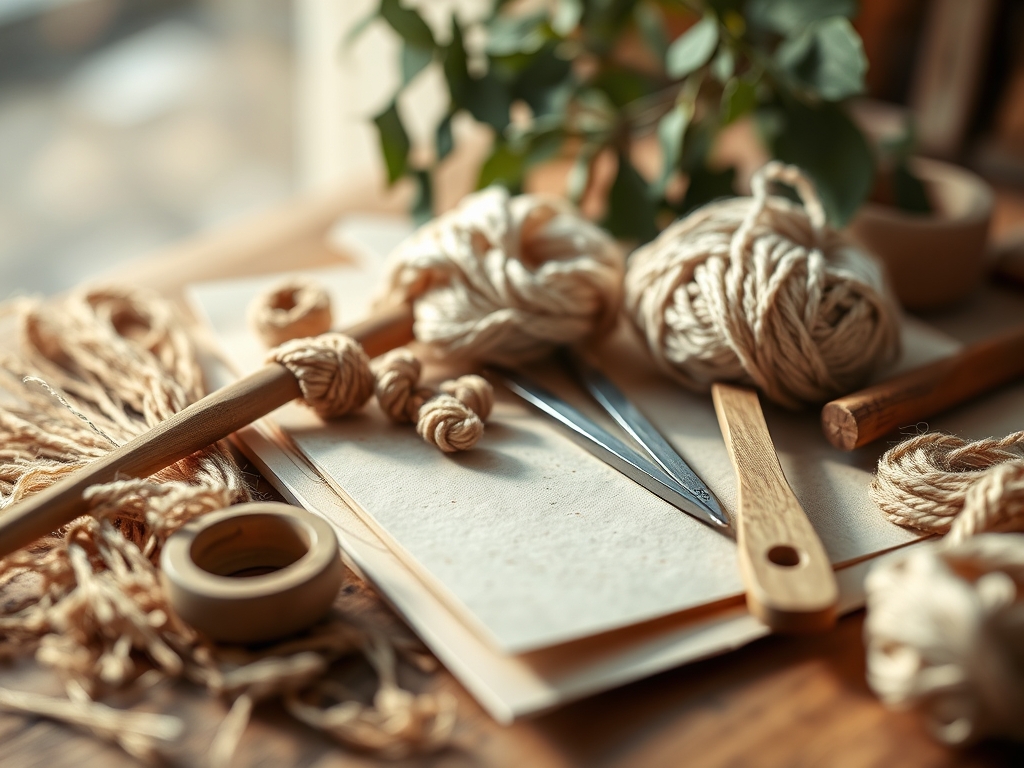
To execute these geometric folds with professional precision, your toolkit needs to be calibrated for accuracy. Start with a high-quality sulfite-grade paper or a 110lb cover stock. The fiber density is crucial; cheaper papers have short, brittle fibers that will crack during the burnishing process. You will need a stainless steel cork-backed ruler to prevent slipping and a teflon bone folder to ensure you do not leave shiny "burnish marks" on your matte surfaces. For the actual scoring, a ball-stylus or a specialized embossing tool is preferred over a knife to maintain the structural integrity of the ply.
If you are looking for material substitutions, you can experiment with polypropylene sheets for a waterproof, industrial look, though these require a much higher pressure gauge to set the crease. For a more sustainable approach, look for hemp-based papers which offer incredible tensile strength and a beautiful, porous texture. Always keep a pair of digital calipers nearby to measure the thickness of your stock; even a fraction of a millimeter change in paper gauge will alter how your repetitive scores nest into one another.
THE TEMPO
The "Maker's Rhythm" is a real psychological state where your muscle memory takes over the repetitive motions. For a standard architectural relief, expect to spend the first twenty minutes in the "Calibration Phase." This is where you measure, mark, and test your pressure on scrap pieces. The "Execution Phase," which involves the actual Repetitive Paper Scoring, will take approximately forty-five minutes of focused, rhythmic movement. Finally, the "Assembly and Set Phase" requires another thirty minutes to ensure the folds are trained and the paper memory is locked into its new geometric configuration. Do not rush the scoring; a consistent tempo ensures that the depth of each groove is identical, which is the secret to a symmetrical finished product.
THE CORE METHOD
1. Mapping the Grid
Before the tool ever touches the paper, you must map your coordinates with a light 4H pencil. Precision is everything in architectural folding. Use your steel ruler to mark increments of five millimeters across the entire horizontal axis. Technical Fact: Paper is an anisotropic material, meaning it has different properties in different directions. Always try to align your primary scores with the grain of the paper to reduce the force required for a clean fold.
Mastery Tip: Check the grain direction by gently flexing the paper in both directions. The direction with the least resistance is the grain. Scoring with the grain prevents the outer fibers from bursting, which maintains the aesthetic "skin" of your sculpture.
2. Executing the Primary Score
Position your ruler and draw your stylus down the paper with firm, even pressure. You are not trying to cut the paper; you are creating a "hinge" by crushing the internal honeycomb structure of the cellulose. This is where Repetitive Paper Scoring becomes a meditative exercise. You must maintain the exact same ergonomic angle with your hand for every single pass to ensure the grooves are uniform.
Mastery Tip: This process relies on localised compression. By crushing the fibers in a straight line, you create a path of least resistance. When you eventually fold the paper, the material will naturally buckle along this weakened line while the un-scored areas remain rigid.
3. The Accordion Pre-Fold
Once your grid is scored, begin the "training" process. Gently work the paper back and forth along the score lines. Do not force the fold to 180 degrees immediately. Start with a shallow 45-degree angle and gradually increase the depth. This prevents the paper from "fatiguing" and snapping at the hinge point.
Mastery Tip: This stage utilizes material memory. Cellulose fibers are polymers that can be "re-set" into new shapes. By gradually increasing the fold angle, you allow the fibers to rearrange without catastrophic failure of the tensile bonds.
4. Creating the Intersecting Diagonals
To achieve a 3D geometric effect, you must introduce diagonal scores that intersect your primary grid. This creates "vertices" where multiple folds meet. These points are under immense stress, so precision is non-negotiable. Use an awl to gently poke a pilot hole at the intersections if the paper is particularly thick.
Mastery Tip: At the intersection of two scores, the paper experience biaxial stress. If your scores do not meet perfectly, the paper will create "crow's feet" or messy wrinkles. Accurate intersections ensure the structural integrity of the entire geometric plane.
5. Final Burnishing and Locking
Once all folds are established, use your bone folder to burnish the creases. This applies high pressure to the fold, flattening the fibers and "locking" the shape. If you are creating a repetitive tessellation, this is the moment where the flat sheet suddenly pops into a three-dimensional form.
Mastery Tip: Burnishing increases the density of the paper at the fold line. This creates a permanent structural change that allows the paper to support its own weight, effectively turning a 2D sheet into a 3D architectural component.
THE TECHNICAL LEDGER
To maintain the longevity of your paper sculptures, keep them in a low-humidity environment. Paper is hygroscopic, meaning it absorbs moisture from the air, which can cause your crisp scores to soften and sag over time. If you are using premium cotton-rag papers, they are naturally acid-free and will last for decades without yellowing.
The Correction: Common Pitfalls
- The Blowout: If your paper rips during folding, you used too much pressure or a tool that was too sharp. Fix: Use a smoother, rounder stylus and reduce pressure by 20 percent.
- The Wander: If your lines are not parallel, your ruler slipped. Fix: Apply grip tape to the bottom of your steel ruler to increase friction against the paper.
- The Soft Fold: If the fold looks rounded rather than sharp, your score was too shallow. Fix: Re-score the line with more pressure before attempting the final fold.
For studio organization, store your finished pieces in archival boxes with acid-free tissue paper between layers. If you are working on a large-scale installation, use a flat file cabinet to prevent the weight of the paper from crushing the delicate geometric peaks.
THE FINAL REVEAL
Stand back and look at that! When you catch the light on those repetitive ridges, the shadows create a rhythmic, pulsing pattern that is purely architectural. The transformation from a limp sheet of cardstock to a rigid, geometric masterpiece is nothing short of structural magic. You have successfully manipulated the physical properties of cellulose to create a form that defies its own weight. It is sharp, it is clean, and it is ready to be the centerpiece of your next design project.
STUDIO QUESTIONS
What is the best paper weight for scoring?
A weight between 80lb and 110lb cover stock is ideal. This thickness provides enough "meat" for the stylus to create a deep groove without piercing through the entire sheet, ensuring structural stability.
Can I use a regular pen for scoring?
You can use a dried-out ballpoint pen, but it is not recommended. The metal tip can sometimes snag the fibers. A dedicated steel ball-stylus or a teflon bone folder provides a much smoother, professional finish.
Why does my paper crack when I fold it?
Cracking usually happens because you are folding against the grain or the paper is too dry. Try to score with the grain, or lightly mist the air around your workspace to slightly increase the paper's flexibility.
How do I keep my scores perfectly parallel?
Use a self-healing cutting mat with a printed grid. Align the bottom of your paper with a horizontal line and use the vertical increments to guide your ruler. Always double-check both ends before scoring.
Does the color of the paper affect scoring?
Darker papers often show "stress whitening" at the fold line if the fibers are stretched too far. To avoid this, use a high-quality, through-dyed paper rather than a surface-printed sheet to maintain a uniform color.