

Close your eyes and listen to the snap of a high-twist cotton cord as it pulls taut against a wooden dowel. That sound is the heartbeat of your studio. When we talk about Rhythmic Macrame Cords, we are not just discussing string; we are discussing the physics of tension and the architecture of negative space. You can feel the difference between a cheap, limp polyester blend and a high-density natural fiber immediately. The way a cord resists your thumb or yields to a square knot defines the entire experience. We are looking for that perfect balance of friction and glide. If the fiber is too slick, your knots will migrate over time. If it is too abrasive, you will end up with micro-tears in your skin before the first tier of the plant hanger is even complete. We want materials that sing under pressure. These eight fibers are selected specifically for their structural integrity and their ability to hold a crisp, defined shape while supporting the heavy weight of ceramic pots and damp soil.
THE STUDIO KIT
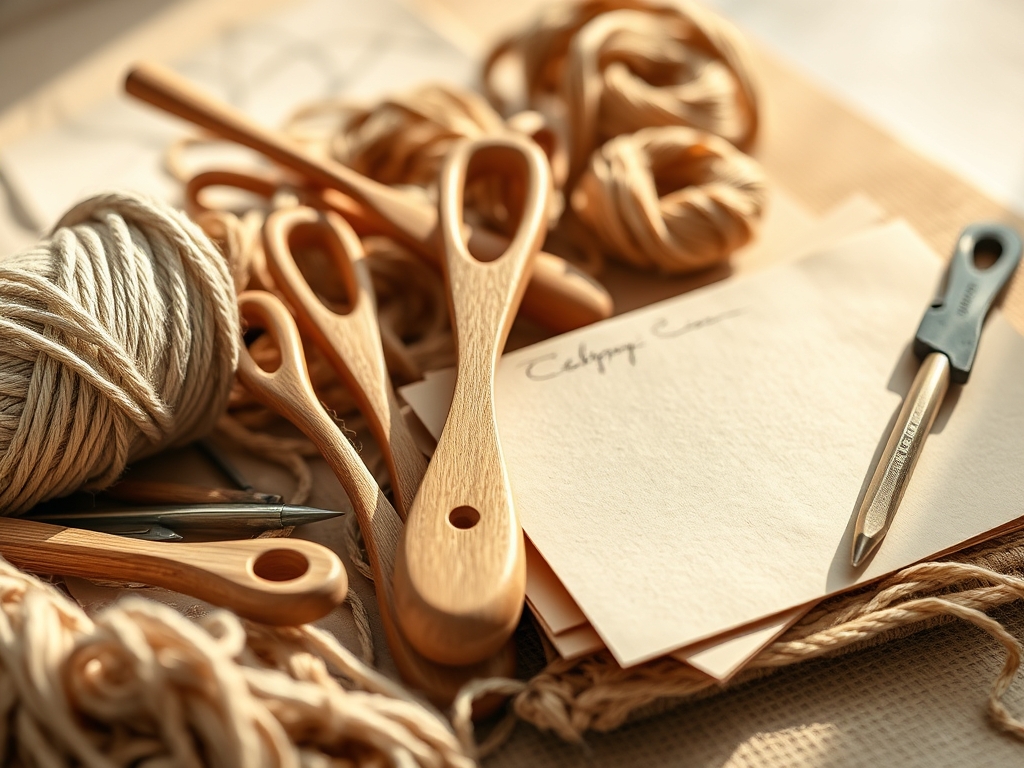
To master the art of the plant hanger, you need more than just fiber. Your toolkit should look like a cross between a tailor's bench and a carpenter's workshop. Start with a high-quality rotary cutter and a self-healing mat for precision ends. Use a digital caliper to measure the diameter of your cords; even a 0.5mm variance can throw off the symmetry of a complex pattern. You will also need a stainless steel awl for picking out mistakes and a bone folder to burnish the surface of flat knots, giving them a professional, polished sheen. For hardware, choose solid brass or high-gauge welded steel rings to ensure the weight-bearing points do not fail under the stress of gravity.
Material Substitutions: If you cannot find organic hemp, look for flax linen with a similar ply count. For those avoiding animal products but wanting the sheen of silk, mercerized cotton offers a high-luster finish and increased tensile strength due to the sodium hydroxide treatment that swells the fibers and increases their surface area.
THE TEMPO
The Maker's Rhythm is a psychological state where your hands move faster than your conscious thought. For a standard four-arm plant hanger, expect a three-phase timeline. The Preparation Phase takes about 30 minutes; this involves measuring, cutting, and securing your anchor points. The Execution Phase is the meat of the project, requiring 2 to 4 hours depending on the complexity of your sinnets and decorative knots. Finally, the Finishing Phase takes 20 minutes to brush out tassels and steam the cords to remove any kinks. By synchronizing your breathing with each pull of the cord, you create a consistent tension that prevents the piece from spiraling or leaning.
THE CORE METHOD
1. The Foundation Anchor
Start by looping your primary cords through the mounting ring using a Lark's Head knot. Ensure the lengths are perfectly even by using your rotary cutter to trim the tails after the anchor is set.
Mastery Tip: This step relies on static friction. If the anchor is too loose, the weight of the plant will cause the cords to slip and unevenly distribute the load. Use your bone folder to compress the knot against the ring, maximizing the contact surface area.
2. Establishing the Square Knot Sinnet
Group your cords into sets of four. The two outer cords are your "workers," while the inner two are your "fillers." Cross the left worker over the fillers, pass the right worker over the left, under the fillers, and up through the loop.
Mastery Tip: This is an exercise in tensile equilibrium. If you pull the left side tighter than the right, the sinnet will begin to twist. Use your caliper to check the width of your knots every five inches to ensure your grip strength remains consistent throughout the session.
3. The Structural Diamond Mesh
To create the basket that holds the pot, switch to an alternating square knot pattern. This creates a geometric mesh that expands and contracts based on the volume of the object placed inside.
Mastery Tip: This stage utilizes triangulation for load bearing. By staggering the knots, you distribute the downward force of the pot across all eight cords simultaneously. This prevents any single fiber from reaching its breaking point prematurely.
4. The Gathering Knot Closure
Collect all cords at the base and wrap a separate "working cord" around them using a Hidden Hangman's knot. This is the most critical structural point of the entire piece.
Mastery Tip: Focus on compressive force. As you wrap the cord, each revolution increases the pressure on the internal bundle. This creates a mechanical lock that is virtually impossible to undo without cutting, ensuring the plant hanger can support significant weight without the base failing.
THE TECHNICAL LEDGER
Maintenance & Longevity: Natural fibers are hygroscopic, meaning they absorb moisture from the air. To prevent rot in humid environments, avoid overwatering your plants while they are in the hanger. If the cords become soiled, spot clean with a pH-neutral detergent and air dry away from direct sunlight to prevent UV degradation of the cellulose bonds.
Material Variations:
- Recycled Cotton: Excellent for soft textures but has shorter staple lengths.
- Polished Hemp: High resistance to mold and incredible tensile strength.
- Jute: Provides a rustic, high-friction grip but can be dusty.
- Bamboo Cord: Naturally antibacterial with a silky, fluid drape.
The Correction:
- The Spiral Creep: If your square knots are turning into a spiral, you are likely repeating the same side. Fix: Alternate your lead cord religiously.
- Uneven Legs: One arm of the hanger is longer than the others. Fix: Use a tension board with pre-marked measurements to verify length at every transition.
- Fraying Ends: The cord is unraveling during the build. Fix: Wrap the tips in a small piece of painter's tape or dip them in beeswax to maintain the ply twist.
Studio Organization: Store your bulk Rhythmic Macrame Cords on vertical dowels or a pegboard system. Keeping them off the floor prevents the fibers from picking up debris and protects the grain direction of the twist from being crushed by heavy objects.
THE FINAL REVEAL
There is a specific magic that happens when you step back and see your finished piece hanging in the light. The symmetry of the knots creates a visual cadence that feels both ancient and modern. When you place a heavy terracotta pot into that mesh, and the cords stretch just a fraction of an inch to accommodate the weight, you are seeing physics in action. Your hands have transformed a pile of loose string into a structural masterpiece. The texture is rich; the lines are clean; and the "rhythm" of your work is visible in every perfectly spaced loop. You didn't just make a plant hanger; you engineered a functional sculpture.
STUDIO QUESTIONS
What is the best cord thickness for large plants?
For heavy pots, use a 4mm to 6mm cord. This thickness provides the necessary tensile strength to support the weight while remaining ergonomic for your hands during the knotting process. Anything thinner may cut into the plant or snap under pressure.
How do I prevent my macrame from stretching?
Pre-stretch your cords by hanging a small weight on them overnight before you start knotting. This settles the fiber alignment and reduces the amount of mechanical "creep" that occurs once the plant is finally added to the finished hanger.
Can I use natural fibers outdoors?
Hemp and jute are the best natural choices for covered outdoor areas because they resist rot. However, constant exposure to rain will eventually break down the lignin in the fibers. For full exposure, consider a high-quality synthetic substitution.
Why are my knots looking messy?
Inconsistent tension is usually the culprit. Use a stationary hook at eye level to ensure you are pulling the cords at the same angle every time. Consistent muscle memory is the key to achieving a professional, rhythmic finish.