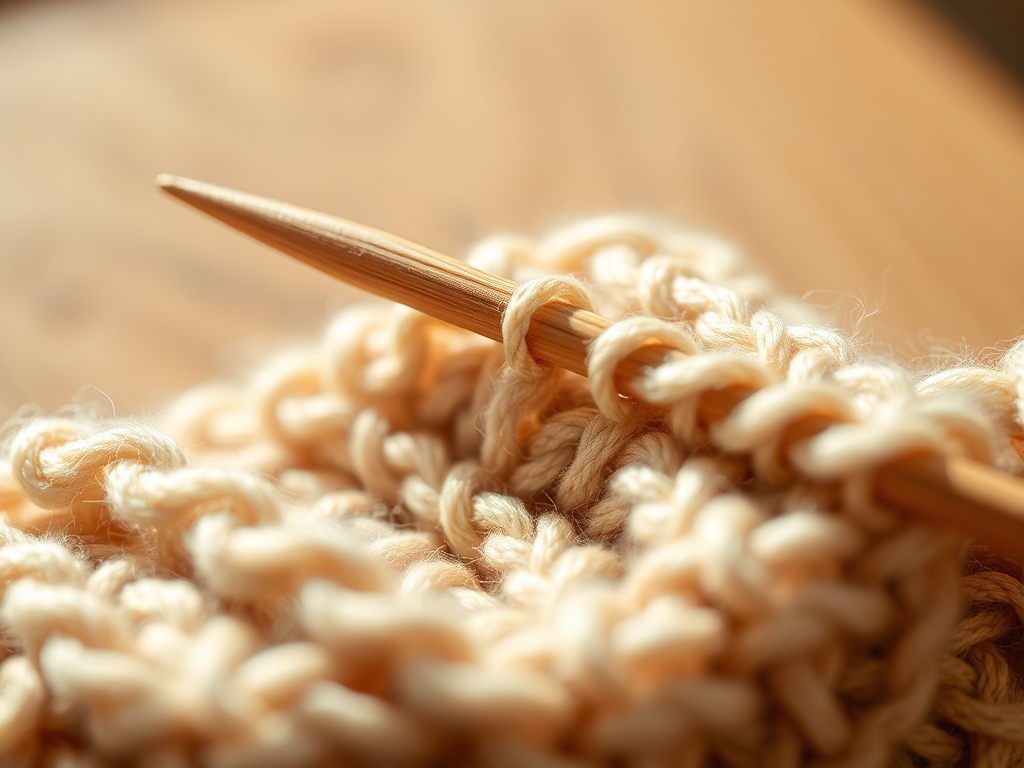
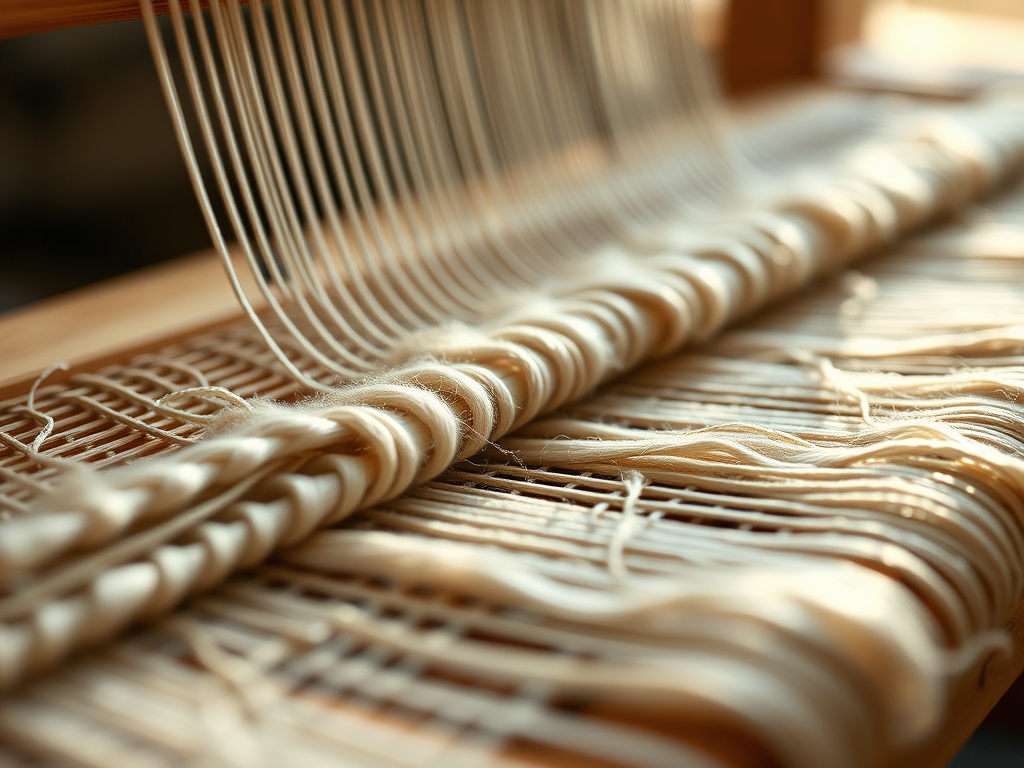
Close your eyes and listen to the snap of cotton twine against a wooden frame. It is not just a sound; it is the fundamental frequency of creation. When you first touch the warp, you feel the high tensile strength of the fibers resisting your pull, vibrating like a guitar string waiting for a melody. Mastering Loom Weaving Rhythms is about more than just crossing threads. It is a physical dialogue between your hands and the structural integrity of the fiber. You are essentially building a flexible architecture from scratch. The friction of the wool against the warp creates a subtle heat, a tactile reminder that you are manipulating matter at a molecular level. We are going to dive into the physics of tension and the geometry of the weave to turn a simple frame into a masterpiece of texture and strength.
THE STUDIO KIT
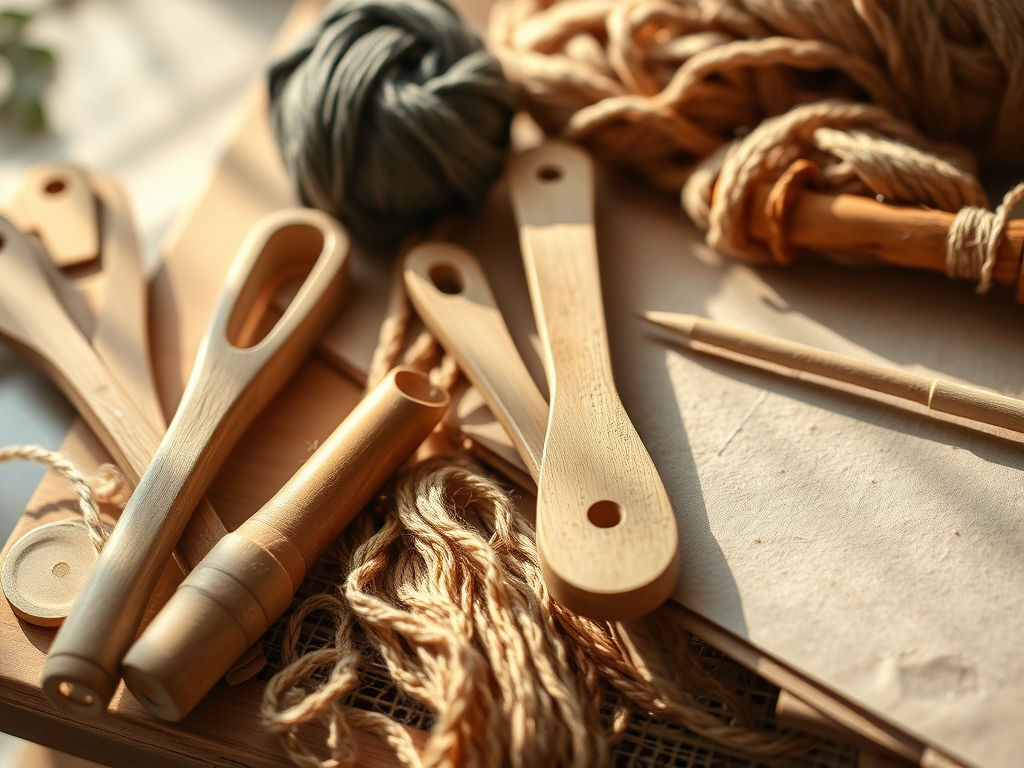
To begin, you need a sturdy wooden frame loom. Look for one made of kiln dried hardwood like maple or oak to ensure the frame does not warp under the cumulative pressure of the tightened threads. You will need warp thread, specifically a high ply cotton or linen with zero elasticity. If the warp stretches, your entire project will sag once removed from the frame. For the weft, or the horizontal filler, you can use anything from roving to recycled sari silk.
Your toolkit must include a weaving sword or shed stick to create an opening between threads, a tapestry needle for fine detail work, and a weaving comb to pack the rows. I also recommend keeping a pair of calipers nearby to measure the consistency of your width as you progress. If you lack a professional loom, you can substitute it with a heavy duty picture frame, provided you use an awl to notch the wood at precise intervals. For a makeshift comb, a sturdy kitchen fork works, though it lacks the ergonomic weight of a professional brass beater.
THE TEMPO
The "Maker's Rhythm" is a psychological state of flow backed by the physical speed of your hands. Preparation is the longest phase. Warping your loom requires absolute focus and usually takes about forty five minutes for a medium frame. This is the foundation; if your tension is uneven here, the rest of the project will fail.
The actual weaving process follows a 3:1 ratio. For every three hours of active weaving, expect one hour of finishing work, which includes tucking in loose ends and securing the hemstitch. A standard wall hanging usually requires six to ten hours of active hand time. The rhythm is not fast; it is consistent. You want to maintain a steady heart rate and a relaxed grip to avoid "drawing in," which is when the sides of your weaving begin to narrow like an hourglass.
THE CORE METHOD
1. Establishing the Foundation Warp
The first movement is the vertical stringing of the loom. You must maintain a constant tensile force across every notch. Tie your first knot at the bottom left and move in a "figure eight" or a simple wrap, ensuring the thread sits deep in the grooves.
Mastery Tip: Use your calipers to check the distance between warp threads every five inches. If the distance varies by even a millimeter, the structural integrity of the fabric will be compromised, leading to puckering.
2. Creating the Shed
Insert your shed stick under every other warp thread and turn it on its side. This creates a triangular gap known as the "shed." This allows you to pass your shuttle through in one swift motion rather than weaving in and out of every single thread.
Mastery Tip: This step utilizes mechanical advantage. By lifting the threads simultaneously, you reduce the friction on the fibers, preventing the "fuzzing" or pilling that occurs when wool is over handled.
3. The Arc and the Beat
When you pass your weft through, do not pull it tight. Instead, create a high arc with the yarn. Use your weaving comb to beat the center of the arc down first, then the sides. This ensures there is enough "slack" for the yarn to wrap around the warp without pulling the sides inward.
Mastery Tip: This technique manages lateral tension. Because yarn is a porous material, it needs space to expand once it is compressed by the subsequent rows.
4. The Twining Technique
For a structural border, use two strands of yarn and twist them around each warp thread. This creates a rope like texture that locks the weft in place. It is the "rebar" of your textile project.
Mastery Tip: Twining increases the shear strength of the edges. It prevents the weft from sliding down the warp over time due to gravity.
5. Introducing Rya Knots
To add "shag" or fringe, wrap lengths of yarn around two warp threads and pull the ends through the center loop. This adds volume and a 3D tactile element to your work.
Mastery Tip: Pay attention to the denier (thickness) of your fringe. Using high density roving creates a heavy "anchor" that helps the weaving hang straight by utilizing gravitational pull.
6. Managing Color Transitions
When changing colors, never tie a knot in the middle of a row. Instead, overlap the old and new yarn for about three warp threads. This "friction fit" is cleaner and more professional.
Mastery Tip: This relies on interlocking friction. The surface area of the two overlapping yarns creates enough grip to hold the structure together without the bulk of a knot.
7. The Hemstitch Finish
Before taking the piece off the loom, use a needle to sew a decorative border that locks the final row of weft to the warp. This is the most critical step for longevity.
Mastery Tip: The hemstitch distributes the load bearing weight of the textile evenly across the top loops, preventing the fabric from unraveling once the frame tension is released.
THE TECHNICAL LEDGER
Maintenance & Longevity: Keep your loom in a temperature controlled environment. Wood expands and contracts with humidity, which can snap your warp threads if the air becomes too dry. Periodically burnish your wooden tools with a bit of beeswax to keep them snag free.
Material Variations: For a sustainable approach, use recycled "t-shirt yarn" or strips of old linen. These materials have a higher gauge and fill the loom quickly. For premium pieces, choose merino wool or mulberry silk, which offer superior luster and softness.
The Correction:
- The Hourglass Effect: If the sides are pulling in, your weft is too tight. Fix this by "bubbling" the yarn more aggressively in the next five rows.
- Loose Warp: If a thread goes slack, use a small wooden wedge or a "warp weight" (like a heavy nut or bolt) to pull it taut at the back of the loom.
- Skipped Threads: If you realize you missed a warp thread five rows back, do not ignore it. Use a crochet hook to manually pull the weft into the correct position or "tuck" a corrective thread alongside the error.
Studio Organization: Store your looms vertically. Never stack them, as the weight can crush the delicate fibers of an ongoing project. Use archival acid free paper to cover pieces if they will be sitting for more than a week to prevent dust accumulation in the porous wool fibers.
THE FINAL REVEAL
The moment of truth arrives when you cut the warp strings and feel the tension release. The piece will "relax" slightly, becoming softer and more fluid. Your finished weaving is a testament to the balance of physics and art. You have successfully navigated the complexities of Loom Weaving Rhythms, creating a textile that is both structurally sound and visually stunning. The way the light catches the different plys and textures is purely magical.
STUDIO QUESTIONS
How do I prevent my weaving from curling at the edges?
Maintain a loose "arc" when passing the weft and ensure your side warp threads are doubled for extra support. This balances the lateral tension and keeps the edges straight.
What is the best warp thread for beginners?
A 12 ply cotton twine is ideal. It has high tensile strength and minimal stretch, which makes it much easier to maintain consistent tension throughout the entire weaving process.
Can I weave without a professional comb?
Yes, a heavy kitchen fork or a wide tooth hair comb works. However, a weighted metal beater provides more kinetic energy, allowing you to pack the rows more tightly and evenly.
Why is my weaving narrower at the top than the bottom?
This is caused by "drawing in." As you weave, the weft pulls the warp threads together. Use a weaving sword to check your width every few inches to ensure consistency.