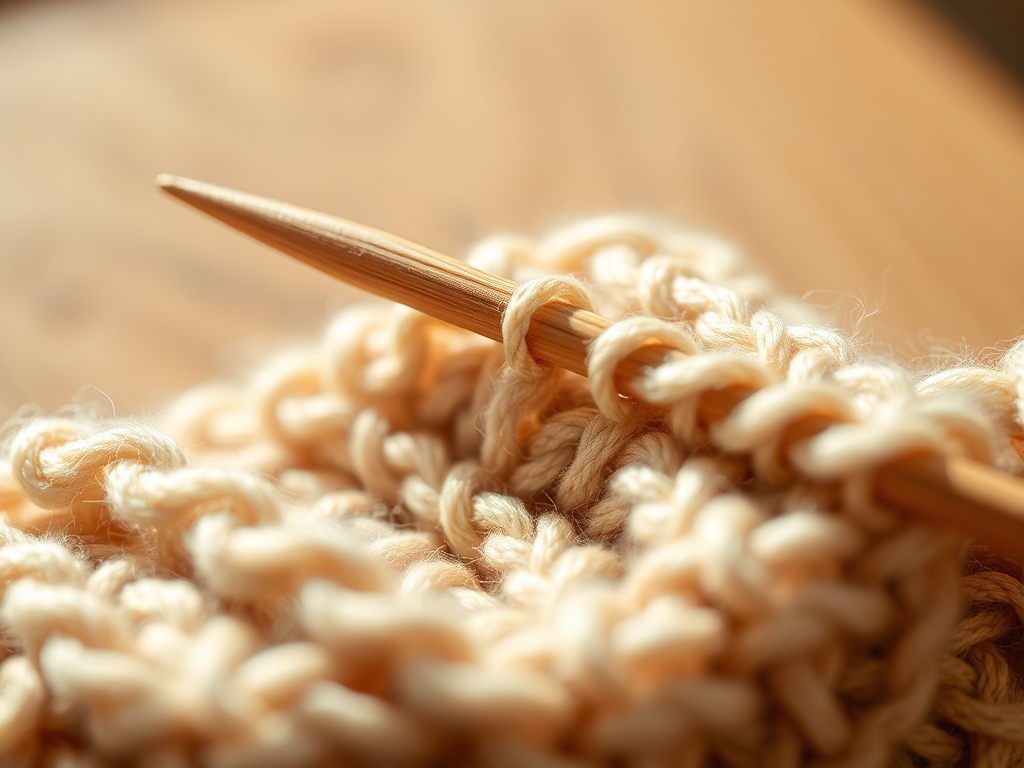
Grab your favorite ceramic mug and settle in because we are about to dive into the visceral world of fiber physics. There is a specific, electric hum that happens when the surface tension of your yarn meets the polished glide of a needle. To find your center, you need Rhythmic Knitting Stitches that bypass the brain and speak directly to your muscle memory. We are talking about the tactile transition from raw wool to a structured lattice. When you hit that perfect gauge, the yarn stops being a string and starts behaving like a flexible architectural membrane. It is not just a hobby; it is a high-speed meditation where your hands become the primary processors.
The secret to a deep flow state lies in the frequency of the movement. If a stitch is too complex, you break the cycle to check your pattern. If it is too simple, your mind wanders. We are hunting for that "Goldilocks" zone of complexity where the tensile strength of the fiber dictates the speed of your flick. As the wool slides over your index finger, you can feel the individual scales of the protein fibers interlocking. This is where the magic happens. We are going to master nine specific patterns that turn your studio time into a rhythmic powerhouse of productivity and peace.
THE STUDIO KIT
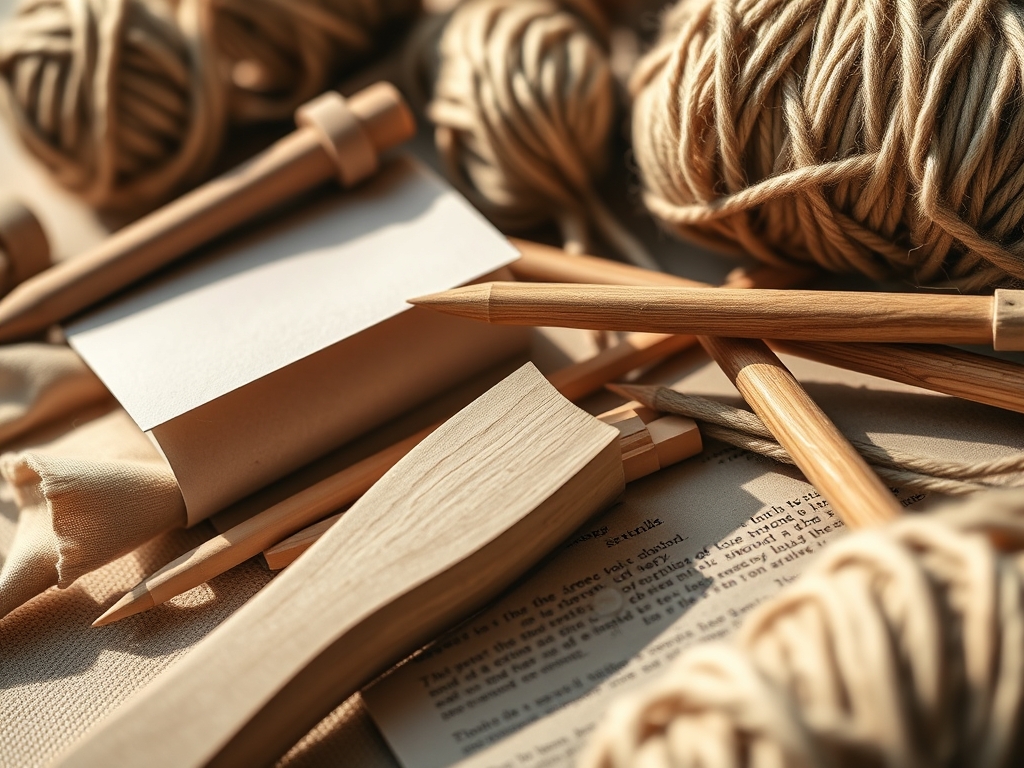
To achieve peak flow, your tools must be an extension of your nervous system. Start with carbon fiber or surgical stainless steel needles. These materials offer a low coefficient of friction, allowing for rapid-fire stitch execution without the "drag" found in cheaper plastics. For the yarn, look for a high-twist worsted weight wool. The high twist count increases the structural integrity of the strand, preventing splitting when you are working at high velocities. You will also need a pair of precision micro-tip snips for clean mechanical cuts and a flexible steel tape measure to monitor your gauge without stretching the fabric.
Material Substitutions: If you are sensitive to animal proteins, swap the wool for a mercerized pima cotton. The mercerization process involves treating the cotton with sodium hydroxide to swell the fibers, increasing their luster and affinity for dye while providing a crisp, non-elastic "snap" that is excellent for rhythmic work. For a more sustainable route, recycled hemp-silk blends offer incredible tensile strength and a unique porous texture that develops a beautiful patina over time. Always use a digital caliper if you are serious about consistency; measuring the diameter of your knitted cord ensures your tension remains uniform throughout the session.
THE TEMPO
The "Maker's Rhythm" is a biological synchronization between your heart rate and your stitch count. Most knitters find their flow state at approximately 30 to 45 stitches per minute. This tempo creates a consistent harmonic vibration in the needles that soothes the nervous system.
The time investment for these nine stitches breaks down into three distinct phases. The Calibration Phase takes about 15 minutes; this is where you work a swatch to adjust your hand tension to the specific ply of your yarn. The Momentum Phase is the bulk of your work, lasting anywhere from one to four hours, where the repetition becomes automatic. Finally, the Integration Phase is the 20-minute wind-down where you bind off and inspect the structural density of the textile. By scheduling your sessions in ninety-minute blocks, you align with your body's natural ultradian rhythms, maximizing both focus and physical comfort.
THE CORE METHOD
1. The Synchronized Seed Stitch
This stitch alternates knits and purls in a staggered grid. The constant flipping of the yarn from front to back creates a dynamic torque in the strand, preventing the fabric from curling.
Mastery Tip: Focus on the "flick" of your wrist. The physics of the seed stitch relies on surface tension; if you pull too tight, the alternating bumps will collapse into the fabric rather than sitting proud on the surface.
2. The Kinetic Garter Ridge
By working rows of knit stitches followed by purl accents, you create a corrugated texture. This increases the thermal insulation of the fabric by trapping air pockets within the ridges.
Mastery Tip: Use the "lever method" of knitting to maintain a constant pivot point. This reduces mechanical wear on your carpal tunnels and ensures every loop has an identical circumferential diameter.
3. The Oscillating Moss Stitch
A variation of the seed stitch, the moss stitch extends the pattern over two rows. This creates a denser, more isotropic fabric that stretches equally in all directions.
Mastery Tip: Observe the alignment of the "legs" of each stitch. If they are twisting, you are likely wrapping your yarn clockwise instead of counter-clockwise, which alters the fiber orientation and weakens the fabric.
4. The Harmonic Broken Rib
This pattern provides the elasticity of a rib with the visual stability of a flat knit. It is perfect for reaching flow because the "rest" rows allow your brain to reset.
Mastery Tip: The physics here involves lateral compression. When the ribbing contracts, the "broken" knit stitches act as structural pillars that prevent the fabric from becoming too distorted.
5. The Velocity Eyelet
Adding intentional "holes" or yarn-overs creates a lace-like effect without the complexity. It introduces porosity into the garment, making it breathable.
Mastery Tip: Ensure your yarn-over is wrapped with the same tension as your standard stitches. A loose yarn-over creates a "structural void" that can lead to snagging later in the garment's life.
6. The Centered Slip-Stitch
By slipping stitches without working them, you create long vertical floats of yarn. This increases the tensile strength along the vertical axis of your work.
Mastery Tip: This technique utilizes capillary action within the fibers to create a thicker, more cushioned fabric. Keep your floats loose to avoid "puckering" the textile membrane.
7. The Recursive Cable Twist
Even a simple two-stitch cable creates a beautiful rhythmic cross. This involves mechanical displacement, where stitches are physically moved out of their original sequence.
Mastery Tip: Do not use a cable needle for small twists. Use your primary needles to perform a "lateral bypass" maneuver. This maintains the structural integrity of the yarn by minimizing the time it spends off-tension.
8. The Rhythmic Basketweave
This creates a series of blocks that mimic a woven structure. The alternating sections of knit and purl create a geometric equilibrium that lies perfectly flat.
Mastery Tip: The transition between blocks is a high-stress point. Tighten the first stitch of every new block to prevent "ladders," which are essentially localized tension failures in the knit matrix.
9. The Infinite Linen Stitch
This stitch looks like woven fabric and is incredibly sturdy. It involves slipping every other stitch with the yarn in front, creating a protective sheath over the knitted core.
Mastery Tip: The linen stitch has a very high stitch density. You must use a needle one or two sizes larger than recommended to prevent the fabric from becoming a rigid, non-pliable board.
THE TECHNICAL LEDGER
Maintenance & Longevity: To ensure your rhythmic masterpieces last, always "wet block" your finished pieces. Submerging the fabric in lukewarm water allows the fibers to relax and redistribute their internal stress. This sets the "memory" of the stitch. Store your items flat; hanging a knitted garment subjects it to constant gravitational creep, which will permanently elongate the stitches and ruin the gauge.
Material Variations: For a premium experience, use Qiviut or Vicuna. These fibers have a micron count so low they feel like air, but they possess incredible thermal properties. For high-traffic items, a superwash merino-nylon blend (80/20 ratio) provides the perfect balance of softness and abrasion resistance.
The Correction:
- The Dropped Loop: Use a crochet hook to "ladder up" the stitch. This is a vertical reconstruction of the knit chain.
- The Split Ply: If your needle pierces the yarn, back out immediately. A split ply creates a weak point in the strand that will eventually fray and snap.
- Inconsistent Gauge: If one section is looser than another, "massage" the stitches with a bone folder to redistribute the excess yarn into neighboring loops.
Studio Organization: Protect your yarn from UV degradation and moths by storing it in archival-grade polypropylene bins. Use cedar blocks for a natural repellent, and always keep a dehumidifier in your studio to prevent the organic fibers from absorbing excess atmospheric moisture, which can lead to mold.
THE FINAL REVEAL
There is nothing quite like the moment you cast off that final stitch and hold a completed project. You have taken a linear strand of protein or cellulose and, through the power of Rhythmic Knitting Stitches, transformed it into a complex, three-dimensional topographical map of your own focus. The fabric should feel substantial yet supple; a perfect marriage of physics and art. Your hands might be tired, but your mind is likely clearer than it has been all week. That is the power of the flow state. You didn't just make a scarf or a sweater; you engineered a physical manifestation of your own rhythmic pulse.
STUDIO QUESTIONS
What is the best needle material for speed?
Stainless steel or carbon fiber needles offer the lowest friction. This allows the yarn to glide effortlessly, which is essential for maintaining a high-velocity rhythmic pace without snagging the fiber's delicate cuticle.
How do I stop my hands from cramping?
Maintain an ergonomic grip and utilize the "lever" knitting style. By minimizing large joint movements and focusing on small, efficient micro-motions, you reduce the mechanical strain on your tendons and prevent repetitive motion injuries.
Why does my gauge change mid-project?
Gauge fluctuations are usually caused by shifts in your emotional state or caffeine intake. Your physical tension translates directly into the yarn. Consistency is key; try to knit during the same time of day to maintain a steady "Maker's Rhythm."
Can I use any yarn for these stitches?
While most yarns work, a high-twist wool provides the best structural definition. Avoid "roving" yarns that lack a twist, as they have low tensile strength and will pill or break under the repetitive friction of rhythmic stitching.