
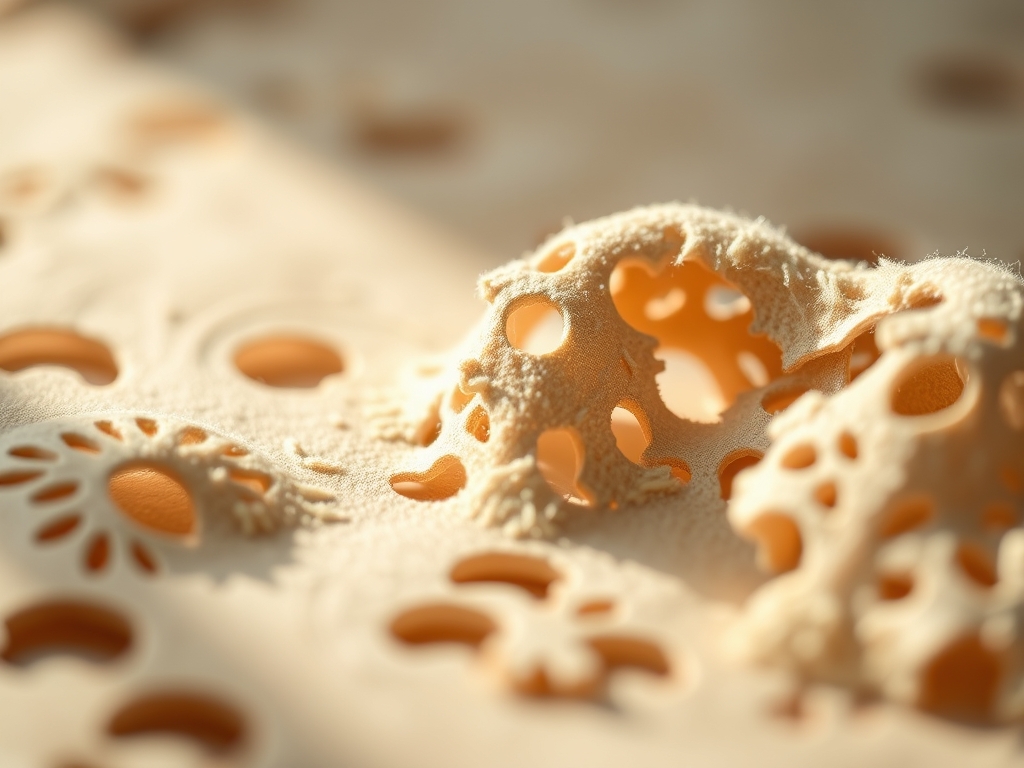
The crisp snap of a fresh sheet of eighty gram bond paper is the ultimate siren song for a maker. You can feel the potential energy stored in those cellulose fibers just waiting for the blade to release the tension. When we dive into the world of Repetitive Paper Cutting, we are not just making decorations; we are engaging in a high stakes game of structural engineering and geometric precision. There is a specific, tactile thrill when the cold steel of a precision blade meets the resistance of a multi ply fold. You have to respect the grain of the paper because it dictates how the material will behave under the stress of a complex curve. As we prepare to transform these flat planes into three dimensional wonders, remember that every slice is a lesson in physics. We are looking for that perfect balance between negative space and structural integrity. Grab your favorite beverage and clear your workbench because we are about to turn a stack of ordinary stationery into a masterclass of intricate, symmetrical art.
THE STUDIO KIT

To master the art of Repetitive Paper Cutting, your tool kit must be as sharp as your wit. You cannot rely on standard office scissors if you want professional results. We start with a high carbon steel precision craft knife with a slender, ergonomic handle to prevent hand fatigue during long sessions. For our base material, a smooth, low tooth paper with a weight between 20lb and 32lb is ideal; it offers enough tensile strength to hold a shape without being so thick that it creates bulk in the folds. You will also need a self healing cutting mat to provide the necessary friction and protect your blade edge from premature dulling.
A bone folder is non negotiable for achieving those crisp, professional creases that ensure your radial symmetry is perfect. For measuring, a stainless steel ruler with a cork backing prevents slippage and protects the paper surface. If you want to get technical, keep a pair of digital calipers handy to check the thickness of your folds. For material substitutions, if you cannot find high quality origami paper, try using translucent vellum for a ghostly, architectural look or even heavyweight tracing paper which has a surprisingly high burst strength. Avoid construction paper at all costs; its short fibers and high porosity lead to ragged edges and structural failure.
THE TEMPO
The Maker's Rhythm is all about the flow state. Expect to spend about fifteen minutes on the calibration phase, where you select your paper and execute your initial folds. This is the foundation; if your folds are off by even a millimeter, the error compounds with every subsequent layer. The execution phase is where the repetitive paper cutting actually happens. Depending on the complexity of your chosen kirigami design, this can take anywhere from thirty minutes to two hours. Finally, the reveal phase takes about ten minutes. This is the delicate process of unfolding and burnishing the final piece to ensure it lays flat and proud. Respecting this tempo prevents the "rushed blade" syndrome that leads to accidental slips and ruined designs.
THE CORE METHOD
1. The Foundation Fold
Start by squaring your paper perfectly. Use your bone folder to create a diagonal crease, then fold again to create a triangle. The goal is to reach a sixteen ply thickness for maximum pattern density.
Mastery Tip: Always fold with the grain of the paper to minimize fiber breakage. Paper is an anisotropic material, meaning its strength varies depending on the direction of the fibers. Folding with the grain ensures a smoother edge and prevents the paper from "cracking" at the spine.
2. Geometric Mapping
Use a hard lead pencil (4H or higher) to lightly sketch your design onto the top layer. Focus on creating a series of interlocking anchors that will keep the snowflake from falling apart once the negative space is removed.
Mastery Tip: Observe the structural load paths in your sketch. You must leave at least two millimeters of paper "bridges" between cutouts to maintain the tensile strength of the finished piece. If the bridges are too thin, the weight of the paper will cause the design to sag or tear under its own gravity.
3. The Vertical Plunge
When you begin the repetitive paper cutting process, always start from the center of the design and work your way out. Hold the knife at a ninety degree angle to the mat to ensure the blade passes through all layers at the same entry point.
Mastery Tip: This technique utilizes shearing force rather than a dragging motion. By maintaining a vertical orientation, you prevent "blade drift," where the bottom layers of paper are cut slightly wider than the top layers due to the angle of the steel.
4. Clearing the Negative Space
Remove the small shards of paper as you go. Use a fine tipped awl or a pair of tweezers to lift out the debris without snagging the delicate edges of your design.
Mastery Tip: This is a lesson in friction management. If you leave the cut scraps inside the folds, they create internal pressure that can distort your next cut. Keeping the work area clear ensures the paper layers remain flush against each other for maximum precision.
5. Managing the Curves
For circular elements, rotate the paper rather than your wrist. This allows you to maintain a consistent pivot point and ensures the curve is smooth rather than jagged.
Mastery Tip: This relies on the physics of centripetal motion. By keeping your cutting hand stationary and moving the material, you utilize the natural ergonomics of your arm to create a perfect radius, reducing the risk of "stutter marks" on the paper edge.
6. The Tension Release
Once all internal cuts are complete, carefully trim the outer perimeter. This is the final step before the reveal and requires the most focus because the paper is now at its most fragile state.
Mastery Tip: At this stage, the paper has lost much of its lateral stability. Support the design with your non cutting hand by spreading your fingers wide to distribute pressure evenly across the remaining fibers, preventing the delicate bridges from snapping.
7. The Great Unfolding
Slowly peel back the layers one by one. Do not rush this. If the paper resists, check for "hanging chads" or micro fibers that were not completely severed and nip them with the tip of your blade.
Mastery Tip: Use a dry, clean finger to burnish the creases as you open them. This redistributes the internal stresses of the paper, helping it to transition from a compressed state back to a flat plane without curling or warping.
8. Final Surface Refinement
Place the finished snowflake between two sheets of clean cardstock and apply even pressure. This "sets" the design and ensures it retains its shape for display.
Mastery Tip: This is essentially cold pressing the fibers. By applying weight, you are forcing the cellulose molecules to realign in a flat configuration, which increases the longevity of the piece by preventing atmospheric moisture from causing the paper to "memory fold" back into its original shape.
THE TECHNICAL LEDGER
Maintenance & Longevity
To keep your repetitive paper cutting tools in top shape, clean your blade with isopropyl alcohol after every session to remove adhesive residue or paper dust. Replace your blades frequently; a dull blade requires more pressure, which increases the risk of slipping. Your cutting mat should be wiped down with a damp cloth to keep the "self healing" pores open and free of debris.
Material Variations
For a sustainable approach, use recycled architectural blueprints; the high rag content provides incredible durability. For a premium finish, look for 100% cotton fiber paper, which has a luxurious tactile feel and excellent archival properties. If you want a modern twist, try cutting synthetic Yupo paper, which is waterproof and tear resistant, though it requires a much sharper blade due to its plastic composition.
The Correction
- The Ragged Edge: This happens when the blade is dull. Fix: Snap off a new blade segment immediately and use a lighter touch.
- The Bridge Snap: A structural bridge was cut too thin. Fix: Use a tiny dot of acid free pH neutral glue on a toothpick to reinforce the break from the backside.
- The Offset Pattern: The layers shifted during cutting. Fix: Use small binder clips (with scrap paper padding to prevent marks) to lock the layers together before you start the first cut.
Studio Organization
Store your finished kirigami flat in acid free glassine sleeves. This prevents oxidation and protects the delicate edges from mechanical damage. Keep your paper stock in a climate controlled environment; high humidity can cause the fibers to swell, making precise repetitive paper cutting nearly impossible.
THE FINAL REVEAL
There is nothing quite like the moment you unfold a complex kirigami design and see the mathematical beauty of your labor. The way the light catches the crisp edges and the shadows dance through the negative space is pure magic. You have taken a simple sheet of paper and, through the power of repetitive paper cutting, transformed it into a sophisticated piece of art. It is energetic, it is intricate, and it is a testament to your patience and technical skill. Display these with pride; you have mastered the physics of the fold!
STUDIO QUESTIONS
What is the best paper for repetitive paper cutting?
A 24lb to 32lb smooth bond paper is ideal. It provides the necessary tensile strength for intricate cuts while remaining thin enough to fold into multiple layers without excessive bulk or fiber distortion at the creases.
How do I prevent my hand from cramping?
Use an ergonomic knife handle with a soft grip and take frequent breaks. Ensure you are using "shoulder power" for long cuts rather than just finger pressure, which distributes the physical load across larger muscle groups.
Why do my snowflakes look lopsided?
This is usually caused by inaccurate initial folding. If your base triangle is not perfectly symmetrical, the error multiplies across all sixteen layers. Use a bone folder and a ruler to ensure every fold is mathematically precise.
Can I use a laser cutter for these designs?
Yes, but you must account for the "kerf" or the width of the laser beam. Also, be wary of charring on the edges of lighter papers, which can compromise the aesthetic and the structural integrity of the delicate bridges.