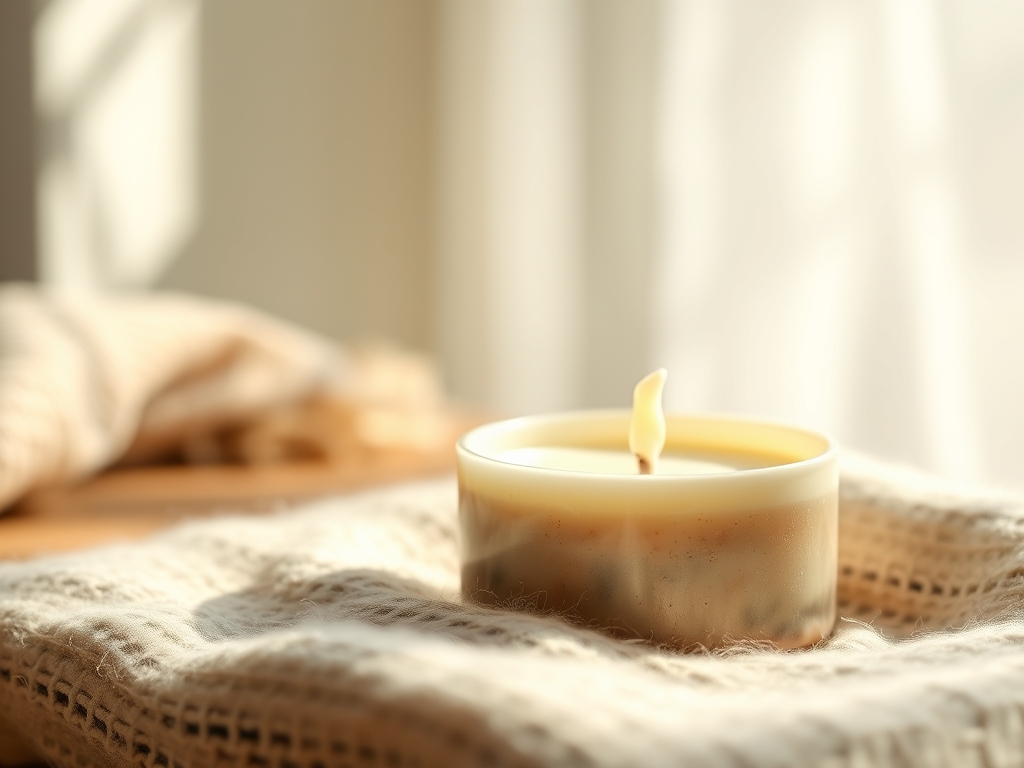
The scent of rendered beeswax hits your senses before you even enter the studio; it is a heavy, golden perfume that signals a shift in your internal clock. We are moving away from the frantic digital hum and into the tactile world of Meditative Candle Dipping. This is not just about light; it is about the physics of accumulation. Every time you lower that wick into the molten bath, you are building a structural column of fuel through a sequence of thermal bonding. It is slow, it is deliberate, and it requires a specific kind of mental stillness to ensure each layer adheres without air pockets or structural brittleness. We are essentially 3D printing with gravity and heat.
THE STUDIO KIT
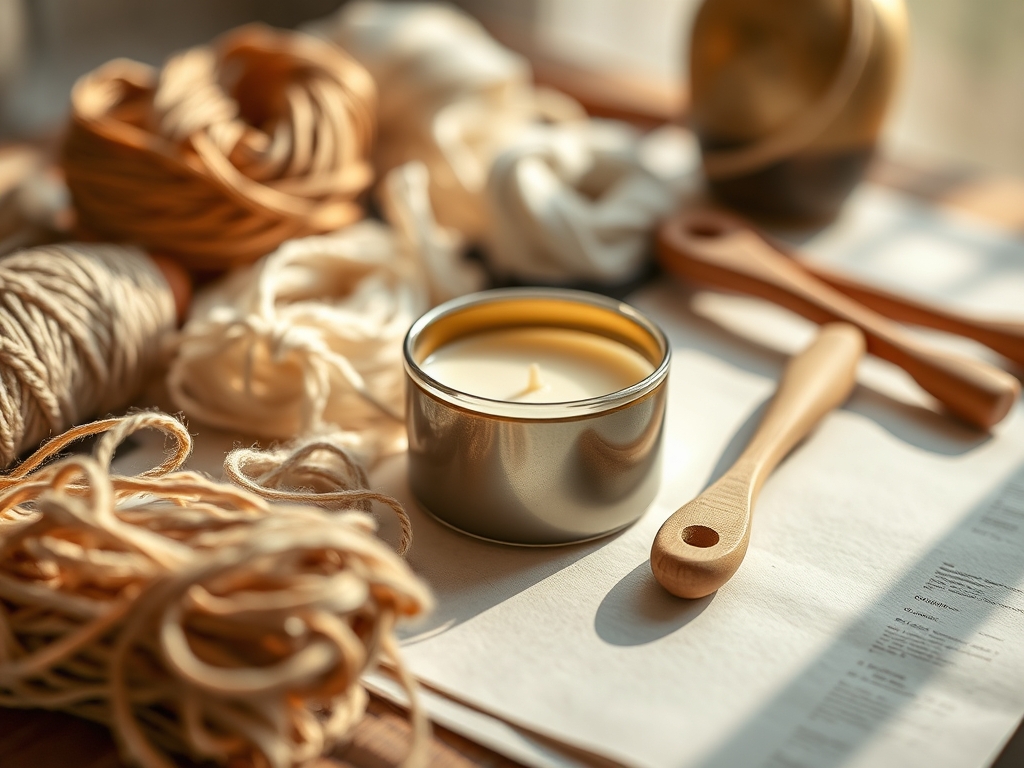
To master the art of the dip, you need a kit that respects the thermal conductivity of your wax. Your primary vessel is a dipping vat, ideally a tall, narrow cylinder made of stainless steel or seamless aluminum. This shape minimizes the surface area of the wax exposed to oxygen, which prevents premature oxidation and keeps the temperature consistent from top to bottom. You will also need a digital immersion thermometer to monitor the wax; precision is the difference between a smooth finish and a lumpy, "alligator skin" texture.
For the core of the candle, we use square-braid cotton wicking. Unlike flat wicks, the square braid is designed to curl slightly as it burns, which allows the tip to stay in the hottest part of the flame for a cleaner carbon burn. You will also need a wicking weight or a simple metal nut to provide the initial tensile force required to keep the string straight during the first few passes.
Material Substitutions: If you cannot source pure beeswax, a blend of paraffin and microcrystalline wax offers high tensile strength and a glossy finish. For those avoiding animal products, a high-melt point soy wax can work, though it requires a higher gauge of wicking to compensate for the different viscosity of the melt pool.
THE TEMPO
The "Maker's Rhythm" is governed by the cooling rate of the wax. You cannot rush the thermal transition. Each dip takes approximately five seconds of immersion followed by two to three minutes of air cooling. If you dip too soon, the heat of the vat will melt off the layer you just applied. If you wait too long, the layers may not fuse properly, leading to "shelling" where the candle delaminates. Expect to spend ninety minutes to two hours to achieve a standard one-inch diameter. This is the core of the meditative experience; you are syncing your breath to the cooling cycle of a polymer.
THE CORE METHOD
1. Priming the Wick
The first step is all about capillary action. You must submerge your raw cotton wick into the wax until the bubbles stop rising. This indicates that the air trapped within the fibers has been replaced by fuel. Use a bone folder or a smooth dowel to pull the wick straight as it cools. This ensures the structural integrity of the candle's core.
Mastery Tip: The science of the prime is about displacement. If you leave air pockets in the wick, the candle will sputter and "tunnel" because the flame lacks a continuous fuel source.
2. The First Thermal Bond
Attach your weight to the bottom of the primed wick. Lower the wick into the wax in one fluid motion, stopping just before the top loop. Hold for three seconds to allow the surface tension to break and the wax to grip the fiber. Lift slowly; the speed of your exit determines the thickness of the coat.
Mastery Tip: A slow exit allows excess wax to drain back into the vat via gravity, preventing "bell-bottoming" where the base becomes disproportionately thick compared to the top.
3. Maintaining the Vertical Axis
As you move into the middle stage, the weight of the candle increases. You must maintain a perfectly vertical orientation to ensure the concentric growth of the wax layers. If the candle leans, one side will cool faster than the other, causing the wick to migrate away from the center.
Mastery Tip: Use a caliper to check the diameter at three points along the shaft. Consistent measurements ensure the candle will fit into standard holders without needing to shave the base.
4. The Cooling Arc
After each dip, the wax undergoes a phase change from liquid to solid. Hang the candles on a drying rack. You will notice the color shift from a translucent amber to an opaque gold. This is the crystallization of the wax molecules.
Mastery Tip: Avoid drafts. Rapid, uneven cooling can cause the wax to crack or "check" due to internal thermal stress as the outer layers shrink faster than the core.
5. The Final Burnish
Once you reach your desired diameter, the final dip should be at a slightly higher temperature (about five degrees warmer) to create a "flash" finish. Once the candle is cool but still slightly malleable, use a soft cloth or a specialized burnishing tool to smooth out any minor ridges.
Mastery Tip: Burnishing compresses the outer molecular structure, creating a harder shell that increases the burn time and prevents dripping.
THE TECHNICAL LEDGER
Maintenance & Longevity: Store your finished candles in a cool, dark environment. Beeswax is prone to "bloom," a natural white powder that forms on the surface. This is not mold; it is the natural oils migrating to the surface. It can be removed with a quick buff from a lint-free cloth or a light pass with a heat gun.
Material Variations:
- Sustainable: Use filtered, locally sourced cappings wax for the lowest carbon footprint.
- Recycled: Melt down old taper stubs, but ensure you filter the wax through a fine mesh to remove carbon char.
- Premium: Add a 10 percent ratio of damar resin to increase the melting point and provide a porcelain-like hardness.
The Correction:
- The Ripple: If the surface looks wavy, your wax is too cold. Increase the temperature by five degrees.
- The Drip: If the candle has large "tears" on the side, you are lifting it out of the vat too quickly. Slow your ascent.
- The Snap: If the wax cracks when you touch it, the cooling environment is too cold. Move your drying rack away from windows or AC vents.
Studio Organization: Store your wicking in airtight containers to prevent dust accumulation. Dust particles act as "nucleation points" in molten wax, causing unsightly bumps in your finished taper. Use a dedicated oscillating tool with a soft brush attachment for deep cleaning your dipping vats between batches.
THE FINAL REVEAL
There is nothing quite like the sight of a pair of perfectly tapered, hand-dipped candles. They possess a soft, organic geometry that machine-molded candles simply cannot replicate. When you hold them, you feel the density and the weight of the hours spent in the studio. They are a physical manifestation of patience. The finish is satiny, the scent is primal, and the structural balance is a testament to your mastery of fluid dynamics and thermal control. You have turned a pile of raw materials into a functional piece of sculptural art.
STUDIO QUESTIONS
What is the best temperature for Meditative Candle Dipping?
Maintain your wax between 155 and 165 degrees Fahrenheit. This range ensures optimal viscosity for smooth layering while preventing the previous layers from melting off the wick during the dipping process.
Why does my candle have a fat bottom?
This is caused by gravity and insufficient cooling time between dips. Ensure you allow the wax to fully "set" and trim the "drip point" at the bottom with a utility knife every three to four dips.
Can I use essential oils in dipped candles?
Yes, but add them only to the final dipping vat to prevent the scent from degrading due to prolonged heat exposure. Ensure the oil's flash point is higher than the wax temperature to avoid fire hazards.
How do I store my dipping wax for next time?
Allow the wax to solidify completely in the vat, then cover it with a tight-fitting lid or parchment paper. This prevents dust contamination and preserves the volatile aromatics of the beeswax for your next session.